What Changed and Why It Matters
Zoox is moving from employee-only testing to limited public rides in San Francisco via its Zoox Explorer early‑rider program. Select people from a waitlist can now hail free rides in a small service zone covering SoMa, the Mission, and the Design District. This is not a commercial launch; Zoox still needs approvals from the National Highway Traffic Safety Administration (NHTSA) and the California Public Utilities Commission (CPUC) to charge fares. But it is the first meaningful test of public demand, rider experience, and city operations for Zoox’s purpose-built robotaxi that lacks a steering wheel or pedals.
This matters because it narrows (slightly) the practical gap with Waymo, which operates robotaxis across roughly 260 square miles across multiple cities and charges fares in permitted markets. Zoox says it aims to remove the waitlist entirely by 2026-an implicit timeline to secure regulatory clearance, scale the fleet beyond today’s ~50 vehicles across San Francisco and Las Vegas, and prove reliable operations in dense urban corridors.
Key Takeaways
- Zoox is inviting a subset of waitlisters for free rides in a single-digit-square-mile zone in San Francisco; no commercial service yet.
- Two approvals still pending: NHTSA must expand Zoox’s current demonstration exemption to cover commercial operations, and CPUC must grant a driverless deployment permit to charge fares in California.
- Fleet scale remains limited-about 50 Zoox robotaxis across SF and Las Vegas-versus Waymo’s much broader coverage.
- Purpose-built vehicles without manual controls could improve long-term unit economics and experience, but they add regulatory complexity near term.
- Post-Cruise scrutiny means regulators will prioritize safety, incident response, and data transparency over speed of rollout.
Breaking Down the Announcement
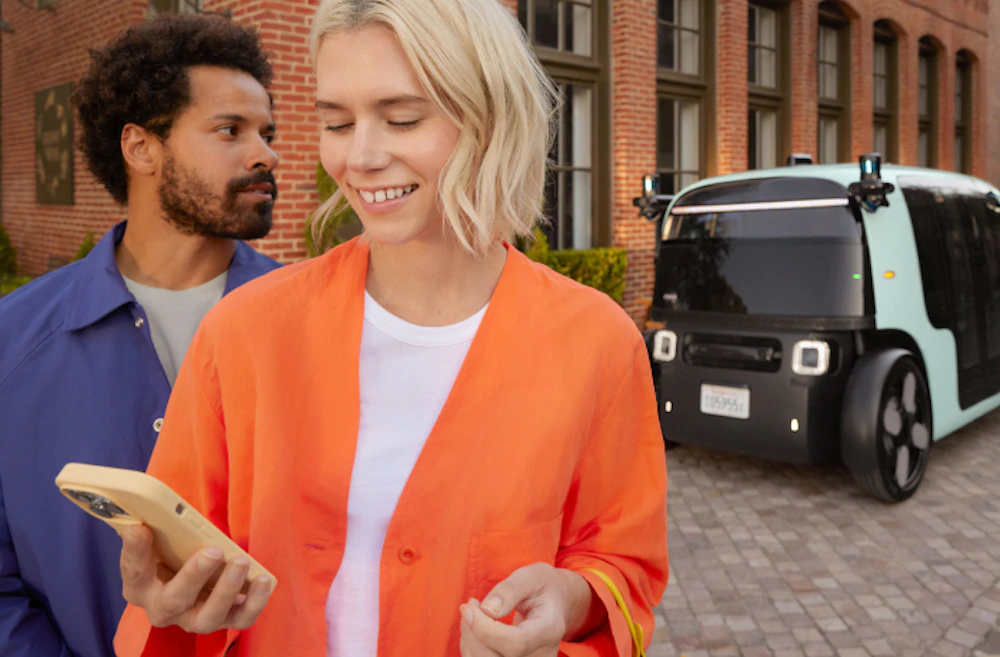
Riders accepted into Zoox Explorer will use a Zoox app to request trips within the limited service area. Rides are free for now. Zoox did not specify operating hours or target throughput, which typically start constrained in early rider programs. The company’s fleet currently spans ~50 robotaxis across San Francisco and Las Vegas, with plans to add vehicles and expand the geofence before opening access to more of the waitlist.
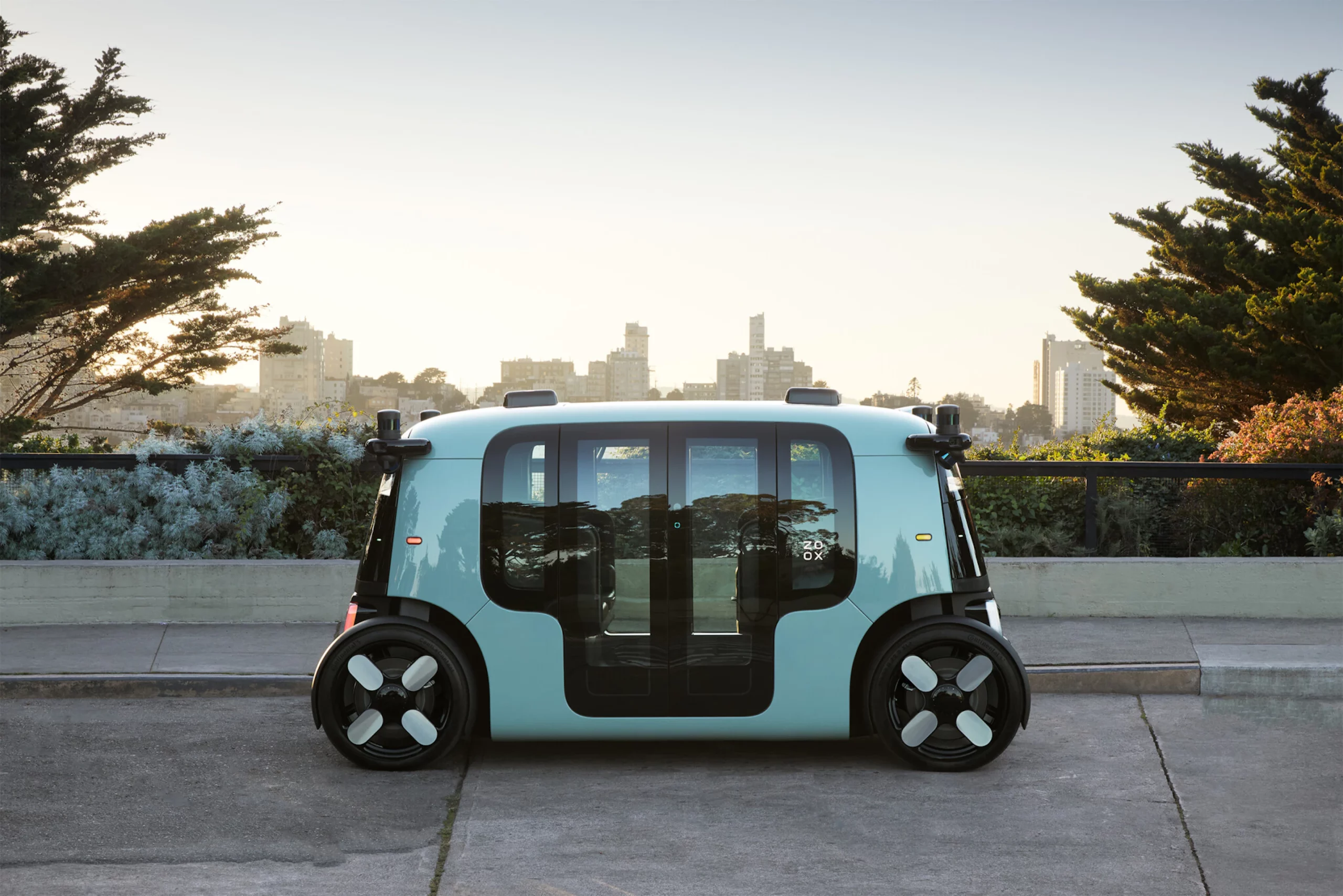
The vehicles themselves are the story: purpose-built shuttles without steering wheels or pedals, designed for autonomy from the ground up. In August, NHTSA granted Zoox an exemption to demonstrate these vehicles on public roads—a necessary step because federal motor vehicle safety standards assume manual controls. That exemption enables free rides only; charging fares requires further federal action and CPUC approval.

Industry Context
Waymo is currently the only operator at meaningful commercial scale in U.S. cities like Phoenix, San Francisco, and Los Angeles. Cruise, once a co-leader, remains paused in California after safety and disclosure failures, which raised the regulatory bar for everyone. Motional continues testing but is not scaling paid service in SF. Against this backdrop, Zoox’s progress matters: it is the highest-profile bet on a steering‑wheel‑free consumer robotaxi, distinct from Waymo’s converted passenger cars.
Why now? Zoox has the federal demonstration exemption, an established SF test footprint since 2017, and a credible backer in Amazon. The company needs real-world rider telemetry, city operations data (curb use, pick-up/drop-off patterns), and incident response drills to convince NHTSA and CPUC that the vehicle, software, and operations are mature enough for paid rides.
What This Changes for Operators and Cities
For mobility and real estate operators, this creates a narrow but tangible option to pilot autonomous employee shuttles or customer rides between SoMa, the Mission, and the Design District. Expect tight geofences, conservative routing, and possible remote assistance for edge cases. For cities, it adds a second active AV provider in SF, which can improve negotiating leverage on curb management, incident protocols, and data-sharing standards.
For Amazon, Zoox’s progress provides optionality—consumer rides today, potential logistics adjacencies later. But near-term economics will remain negative while rides are free and fleet volumes are small. The business question is whether Zoox can scale manufacturing, win approvals, and reach sufficient utilization by or before 2026 to justify further capital.
Risks and Constraints
Regulatory timing is the biggest risk. NHTSA’s current exemption covers demonstrations only, and expansions often include volume limits, reporting requirements, and conditions that can slow scale-up. CPUC has leaned cautious since the Cruise incidents; expect detailed scrutiny of safety cases, remote assistance policies, law enforcement interaction plans, accessibility accommodations, and incident communications.
Operationally, single-city, small-zone service limits learning to specific road types and conditions. San Francisco’s weather, construction variability, and dense bike and pedestrian traffic stress AV stacks. AVs in SF have also faced vandalism and obstruction incidents, which increase downtime and security costs. Finally, without manual controls, roadside recovery and towing procedures must be airtight to satisfy regulators and first responders.
What to Watch Next
Track three signals: (1) expansion of Zoox’s service hours and operating domain in SF; (2) NHTSA action to broaden the exemption for commercial operations; and (3) CPUC filings and hearings for a driverless deployment permit. Also watch fleet growth beyond ~50 vehicles and any movement toward additional SF neighborhoods or a second commercial-intent market.
Recommendations
- Enterprises in SoMa/Mission corridors: Apply to Zoox Explorer and run a 60-90 day pilot for employee or visitor rides. Instrument the pilot for wait times, trip completion, incident escalation, and rider NPS.
- Risk and legal teams: Pre-draft AV vendor requirements—incident reporting SLAs, data-sharing formats, remote assistance protocols, and law enforcement interaction procedures. Require quarterly safety reviews.
- City and campus operators: Prepare curb management plans for AV pick-up/drop-off and train staff on AV recovery procedures; align with fire/police on standardized playbooks.
- Strategy leaders: Avoid single-vendor lock-in. Design integrations that could support both Zoox and Waymo, with clear fallbacks to human-driven services during outages or geofence changes.