Executive summary – what changed and why it matters
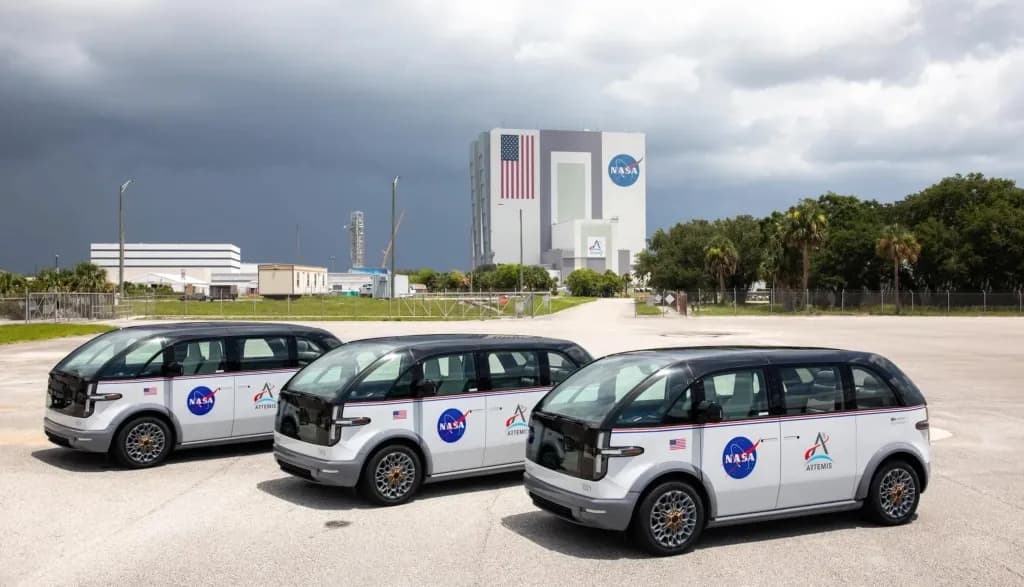
NASA and the U.S. Postal Service have stopped using electric vans from bankrupt startup Canoo after the company failed to meet mission and evaluation requirements. NASA pulled three Canoo vans bought in 2023 for astronaut transport and is leasing Boeing’s Airstream “Astrovan.” The USPS has taken six Canoo vehicles purchased in 2024 out of service after an evaluation. Canoo filed for bankruptcy in January 2025; its assets were sold in April to former CEO Tony Aquila following a contested process.
Key takeaways
- Substantive change: Two federal agencies have stopped operating Canoo vans, citing failed mission/evaluation standards and the vendor’s insolvency.
- Scale: NASA – 3 vans for crew transport; USPS – 6 vans for evaluation. Numbers are small but the use cases are mission‑critical (astronaut transport, postal operations).
- Vendor risk: Bankruptcy, contested asset sale, and uncertainty over spares/support create immediate maintenance and continuity gaps.
- Procurement signals: Agencies defaulted to established suppliers (Boeing/Airstream for NASA). Government programs must re-evaluate single‑source and new‑vendor risk policies.
Breaking down the announcement
NASA told TechCrunch Canoo “was no longer able to meet our mission requirements.” For crew transport the agency has a low tolerance for unproven suppliers: three Canoo vans bought in 2023 were intended for Artemis ground operations and were replaced by a leased Airstream van from Boeing. USPS confirmed its six evaluation vehicles are “no longer in use” and that it does not plan further investment in Canoo units. The Department of Defense received at least one demo vehicle but has not confirmed ongoing use.
Why this matters for operators and buyers
At first glance the fleet numbers are small. But the business impact is disproportionate because these are mission‑critical roles that require guaranteed uptime, clear maintenance pathways, and parts availability. Bankruptcy erased Canoo’s organized support chain. A former CEO’s promise (Tony Aquila bid $4 million to buy the assets) does not substitute for verified service‑level agreements, spare parts inventories, or engineering continuity.

Government buyers face three concrete risks: stranded assets (vehicles that cannot be repaired in the field), warranty and liability gaps, and disrupted schedules for programs that depend on consistent ground transport or delivery capacity. The bankruptcy sale was contested: Harbinger (ex‑Canoo employees) alleged asset concealment and other bidders, including a U.K. financier, signaled higher offers but failed to formalize bids. The trustee favored Aquila’s firm offer amid concerns about foreign ownership and CFIUS review.

Competitive and market context
This episode illustrates a broader shift: agencies are experimenting with small EV startups for specialized roles but retreat to legacy or proven aerospace/auto suppliers when availability, support, and compliance matter. For USPS the next likely alternatives are larger OEMs or the dedicated Next Generation Delivery Vehicle vendors (e.g., Oshkosh for mail trucks) or established commercial van suppliers (Ford, Rivian, Stellantis). For NASA, aerospace partners (Boeing) or vetted ground‑support contractors remain the default.
Operational implications and governance concerns
Programs must treat new‑vendor EVs like embedded systems: require escrowed source material or parts inventories, mandate defined continuity plans in contracts, and include acceptance gates for mission‑critical deployment. Procurement teams should anticipate CFIUS and export‑control scrutiny when bidders involve foreign ownership. Legal disputes around the asset sale could also complicate access to IP or replacement parts if Aquila’s acquisition is litigated.

Recommendations — what agencies and fleet managers should do now
- Immediate audit: Inventory affected Canoo vehicles, log failure modes, and secure spare parts on hand. Treat each unit as a high‑risk asset until supportability is proven.
- Contract remediation: Review warranties, holdbacks, and termination clauses. Seek financial remedies from the bankruptcy trustee where possible and document operational impact for claims.
- Short‑term continuity: Lease proven vehicles (as NASA did) or contract third‑party maintenance specialists with OEM‑agnostic capabilities.
- Procurement policy: Add continuity‑of‑support clauses, require minimum on‑site spares, and mandate escrow of firmware/IP for mission‑critical vehicle buys.
- Strategic sourcing: Favor suppliers with scale, demonstrated spare‑parts logistics, and clear CFIUS posture; for pilots, prefer time‑limited leases over capital purchases.
Bottom line
The Canoo fallout is a practical reminder: small, innovative EV suppliers can offer compelling capabilities, but mission‑critical public programs need explicit contractual and operational guarantees. Agencies should treat vendor insolvency as an operational hazard and bake continuity, spare parts escrow, and verified maintenance channels into any future EV procurement.