
Executive summary – what changed and why it matters
The tech layoff wave that surged in 2023-24 has continued into 2025: independent trackers show more than 22,000 confirmed cuts so far this year, with 16,084 reported in February alone. These reductions are increasingly tied to AI adoption, automation, restructuring after acquisitions, and aggressive cost‑cutting – and they’re reshaping product roadmaps, hiring markets, and regulatory exposure for companies of all sizes.
Key takeaways for executives
- Scale: After ~150,000 cuts across 549 companies last year, 2025 has added 22,000+ confirmed layoffs to date – a persistent, not one‑off, cycle.
- Drivers: AI/automation, weaker demand in hardware and EVs, restructuring from acquisitions, and short‑term profitability drives are the main causes.
- Concentration: Cuts hit both startups (data labeling, conversational AI) and large incumbents (corporate functions, design, AI infrastructure).
- Risk vector: Rapid reductions introduce product delays, knowledge loss, compliance and IP risks, and costs tied to severance, rehiring, and security remediation.
- Timing: “Why now” — companies are balancing inflationary cost pressures, policy shifts (e.g., EV tax credits, export controls), and an urgent drive to embed AI into products and operations.
Breaking down the numbers and examples
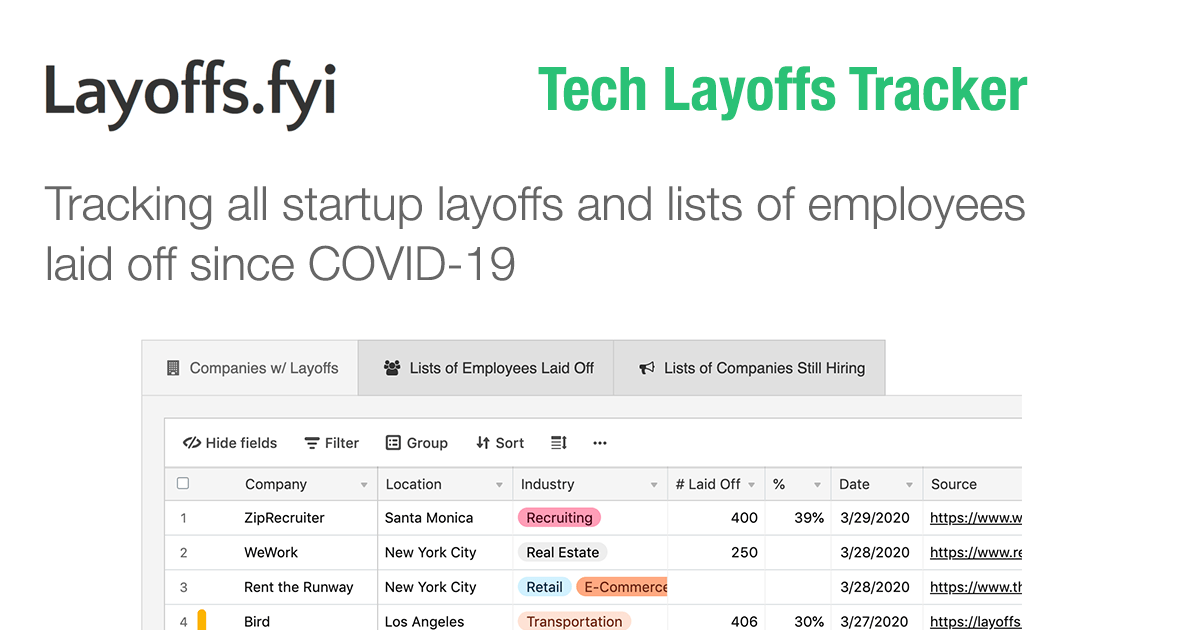
Context matters. Layoffs.fyi recorded roughly 150,000 tech job cuts across 2024. In 2025 we’ve already logged 22,000+ losses, with February accounting for 16,084 — indicating concentrated bursts around specific cost actions. Notable examples reported this cycle include a large e‑commerce employer trimming roughly 14,000 corporate roles; a Fortune‑scale gaming firm planning a 20% reduction (~700-800 jobs); and multiple AI‑infrastructure and research unit cuts totaling several hundred employees (including teams tied to major social platform research groups).

Other patterns in the data: fintech lenders cutting staff by ~200 as they pivot to profitability; food delivery/HR SaaS firms eliminating hundreds of back‑office roles as automation replaces manual tasks; and EV and hardware firms trimming hundreds amid demand slowdowns and policy changes (for example, the expiration of a federal EV tax credit cited as a near‑term cause in one case).
Why this wave is different
Previous rounds often targeted over‑hiring from the growth era. This phase is explicitly technology‑driven: companies are replacing recurring human tasks with AI/automation or consolidating overlapping teams after M&A. That makes these cuts both structural and strategic — not just cyclical cost trimming. The immediate outcome is faster product development in some areas, but higher operational risk and reduced bench strength for innovation in others.
Risks and operational impacts
- Knowledge drain: Layoffs targeting senior engineers, design, or data teams create long tail delays — onboarding replacements is slow and expensive.
- Security & IP: Rapid terminations raise credential, access, and IP leakage risks; proper offboarding is often underbudgeted.
- Regulatory exposure: WARN notices, local labor laws, severance obligations and class‑action risk vary by jurisdiction and can inflate the net cost.
- Morale and retention: Surviving teams face burnout and higher voluntary attrition, increasing hidden productivity loss.
Competitive context — what peers are doing instead
Companies taking a different tack are prioritizing redeployment, targeted reskilling (AI upskilling for product and data roles), hiring freezes plus strategic external hires for AI expertise, and temporary reductions in non‑customer‑facing spend (real estate, events). Those that simply cut without workforce planning risk losing critical AI adoption momentum and paying more later to rehire scarce talent.

Concrete recommendations — what to do this week and next quarter
- Run a 7‑day criticality audit: map people to revenue and AI‑critical capabilities, identify single points of failure, and freeze eliminations in those areas.
- Secure and remediate: immediately enforce access revocation, audit IP repositories and production systems, and budget for forensics if offboarding is accelerated.
- Design redeployment pathways: create 90‑day reskilling tracks for at‑risk employees into AI‑adjacent roles (data ops, ML ops, product analytics) and measure expected ROI.
- Pause nonessential hires and projects for 60-90 days to reassess roadmap priorities; favor projects that reduce operating expense or accelerate monetization.
- Prepare clear communications and legal review: align severance, WARN compliance, and external messaging to reduce litigation and reputational risk.
In short: layoffs in 2025 are a continuation of the sector’s structural reset, driven by AI adoption and cost discipline. For product and operations leaders, the near‑term imperative is preserving mission‑critical skills, protecting IP, and shifting investments to the AI capabilities that will actually deliver differentiated product value — while avoiding short‑sighted cuts that hurt long‑term competitiveness.