Executive summary: what changed and why it matters
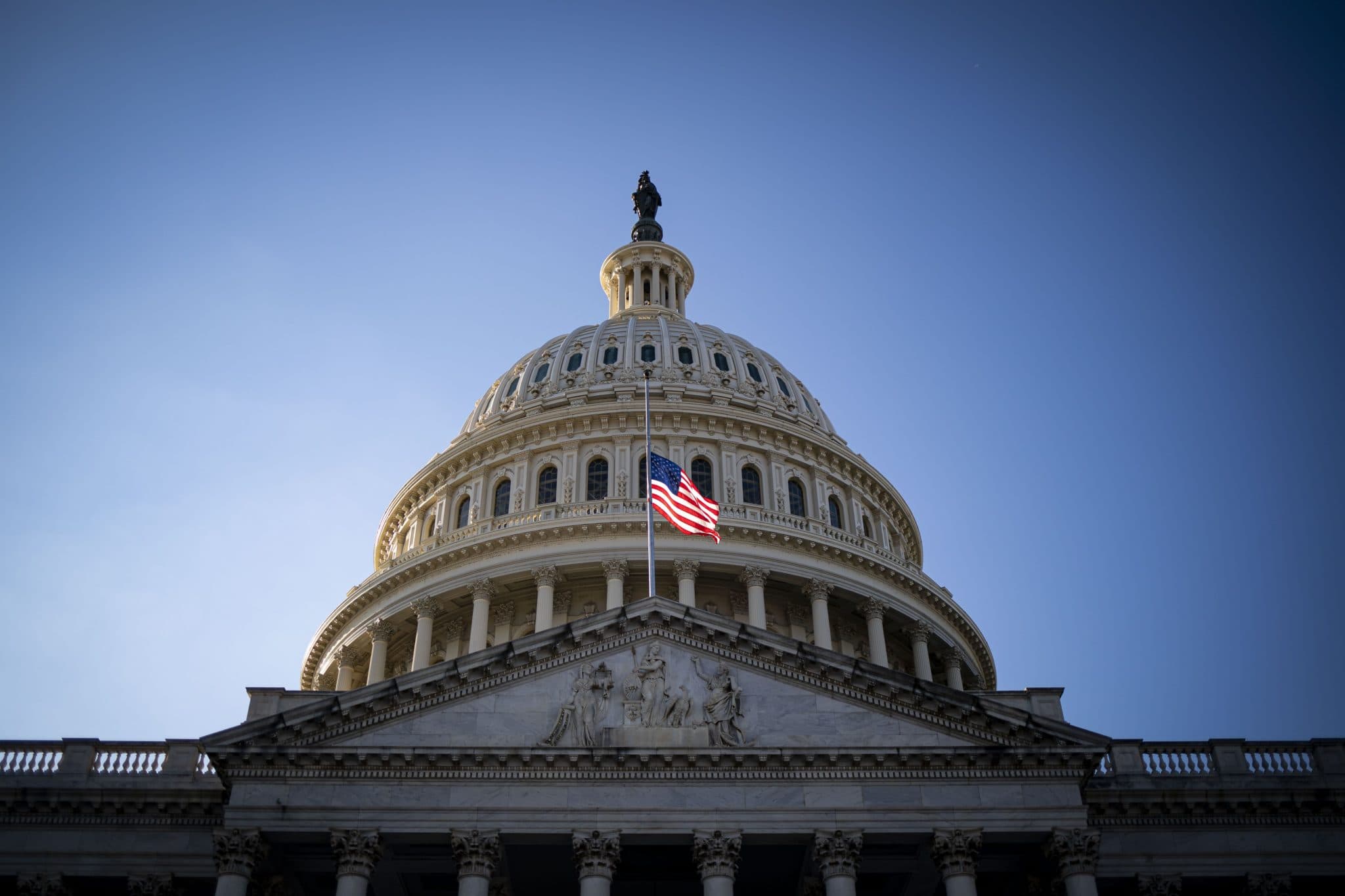
Republican leaders quietly abandoned a push to insert a provision into the 2025 defense bill that would have barred states from passing AI regulations. That removal preserves states’ ability to legislate AI for now – a material operational outcome for AI teams, compliance officers, and product leaders who must navigate a growing, uneven patchwork of state rules.
- Immediate effect: no federal preemption included in the defense bill; states retain jurisdiction.
- Scope: dozens of state bills are active in 2025 (all 50 states plus territories have proposals or activity), with concrete laws already enacted in Texas, Colorado, New York, and several others.
- Risk: Republican leadership retains appetite for a standalone preemption measure or executive action, so this is a pause, not a permanent outcome.
Key takeaways for executives and product leaders
- Compliance complexity will grow: expect divergent transparency, nondiscrimination, and sector‑specific rules across jurisdictions.
- Near-term operational choice: follow the strictest relevant state law, geofence features, or segment product rollouts to limit legal exposure.
- Policy risk remains high: another federal push (standalone bill or executive order) could appear in 2026 – budget cycles and elections make timing uncertain.
Breaking down the announcement
The provision to bar state AI rules was removed after bipartisan resistance. Lawmakers and advocates argued that stripping states of regulatory power would vest oversight entirely in industry self‑regulation or in an unclear federal regime – creating accountability gaps. House leadership acknowledged the defense bill was not the right place for such a sweeping change; insiders indicate Republicans will explore a standalone preemption bill or executive action as alternative routes.
Context matters: earlier in 2025, GOP proposals included a 10‑year moratorium on state AI laws in a tax and spending bill — a move that also failed. Tech industry groups largely backed federal uniformity to avoid a compliance burden, while a coalition of Democrats, state attorneys general, and civil‑society groups pushed back on grounds of safety, transparency, and local consumer protection.
State landscape and where differences matter
States are already active. Texas enacted an AI use‑case law and runs a regulatory sandbox; Colorado passed a transparency‑focused statute with a deferred effective date (June 30, 2026) to refine rules; New York’s RAISE Act targets frontier models and is pending signature. Several states passed “digital replica” laws limiting commercial use of likenesses. These laws vary on disclosure thresholds, bias‑testing mandates, data retention, and enforcement mechanisms — producing compliance permutations that materially affect national products.
Why now — and what’s driving the tug of war
Two forces collide: industry and some federal Republicans want nationwide uniformity to reduce compliance cost and accelerate deployment; state governments and advocates want the flexibility to impose stronger consumer protections and safety rules faster than federal action. The result is a political tug that will determine whether the U.S. follows an EU‑style comprehensive national approach or a federated, state‑led patchwork.
Practical implications for product, legal and risk teams
Operational steps are straightforward but non‑trivial. Companies must inventory where AI is used (hiring, healthcare, lending, digital identity, consumer content), map those uses to active or forthcoming state rules, and set a compliance baseline aligned with the strictest applicable law. Expect increased engineering effort for geofencing, feature flags, and jurisdictional data controls. Participate in state sandboxes (Texas, Utah) where possible to test controls and shape regulators’ expectations.
Risks and governance considerations
Key risks: litigation and enforcement divergence; product fragmentation that harms UX; higher compliance spending; and potential reputational damage if state protections are bypassed. A later federal preemption would shift the compliance baseline again — forcing rework. Maintain conservative documentation practices now: model cards, bias audits, provenance tracking, and explicit disclosures tied to state requirements.
Recommendations — who should act and what to do next
- Stand up a State AI Compliance Task Force: legal + product + engineering to map laws to features and create a prioritized remediation plan within 30-60 days.
- Implement modular controls: use feature toggles and geofencing to quickly adjust deployments by jurisdiction and avoid wholesale product rewrites.
- Document aggressively: publish transparency disclosures where required, run routine bias and safety audits, and store artifacts for potential enforcement or litigation.
- Engage policy: join state sandbox programs, submit comments on active bills, and coordinate with industry groups to advocate for harmonized federal standards that balance safety and innovation.
Bottom line: the defeat of the defense‑bill preemption is a temporary win for state regulation — but not the final word. Product and policy teams should act now to operationalize compliance in a fragmented regulatory environment while preparing for renewed federal pressure next year.