What Changed and Why It Matters
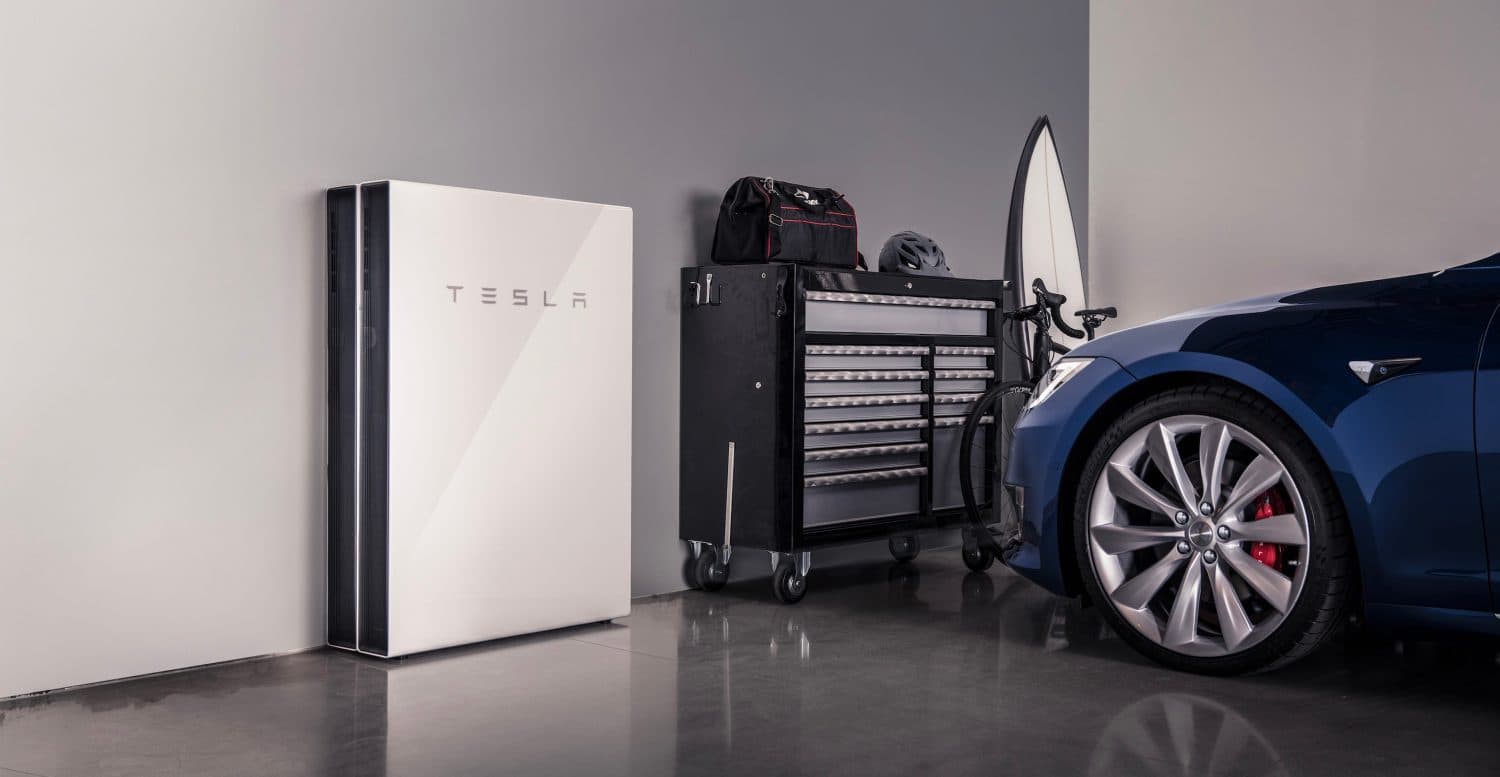
Tesla is recalling more than 10,000 Powerwall 2 home batteries in the U.S. after nearly two dozen overheating, smoke, and fire incidents. According to the U.S. Consumer Product Safety Commission, affected units were sold between November 2020 and December 2022. Tesla plans to remotely discharge online units to 0% state-of-charge and replace impacted systems. For homeowners, installers, and utility aggregators, this means immediate safety actions, potential downtime, and a scramble to manage inspections and replacements during peak season.
Key Takeaways
- Scope: ~10,000+ U.S. Powerwall 2 units, with 22 overheating reports (including 6 smoke and 5 fire incidents); no injuries reported.
- Timing: Affected units were sold Nov 2020-Dec 2022; the U.S. action follows a similar Australian recall.
- Immediate action: Tesla will remotely drain connected units; offline units should be powered down and kept at 0% until inspected.
- Operational impact: Expect multi‑month replacement queues, potential loss of backup capability, and adjustments to virtual power plant (VPP) commitments.
- Governance: Remote shutdown is prudent for safety but raises asset-control, insurance, and compliance questions for residential energy storage.
Breaking Down the Announcement
Tesla attributes the recall to a manufacturing defect in a subset of third‑party lithium‑ion cells used in certain Powerwall 2 units. The failure mode can trigger cell‑level thermal runaway that the battery management system may not reliably intercept, creating a fire hazard. The CPSC lists 22 overheating incidents in the U.S., including six instances of smoke and five fires causing property damage but no reported injuries. This is a serious safety profile, even if incident rates are low relative to the installed base.
Remediation follows a two‑step approach: immediate risk reduction via software‑initiated discharge to 0% SoC for connected systems, then hardware replacement. Tesla will identify affected units by serial number, contact owners and installers, and schedule swaps. For units not connected to the internet, Tesla advises shutting down and keeping the system de‑energized until inspected. Expect prioritization based on risk signals and connectivity status. While Tesla will shoulder recall costs, owners should confirm documentation to avoid warranty disputes and to support insurance records.
Industry Context and Why Now
This U.S. recall echoes an Australian action earlier this year and reprises a broader industry pattern. Large‑scale lithium‑ion recalls are not unprecedented-LG Chem’s 2021 residential ESS recall is a notable example. Standards like UL 9540/9540A and NFPA 855 have improved siting and fire characterization, but they don’t eliminate cell manufacturing risk. The difference today is operational: Tesla’s over‑the‑air controls enable immediate discharge and lockout to mitigate hazard, a capability many competitors lack. The “why now” is straightforward: enough incidents to trigger CPSC coordination, evidence of a discrete manufacturing window, and reputational risk as residential batteries expand into grid services.
Operational Implications
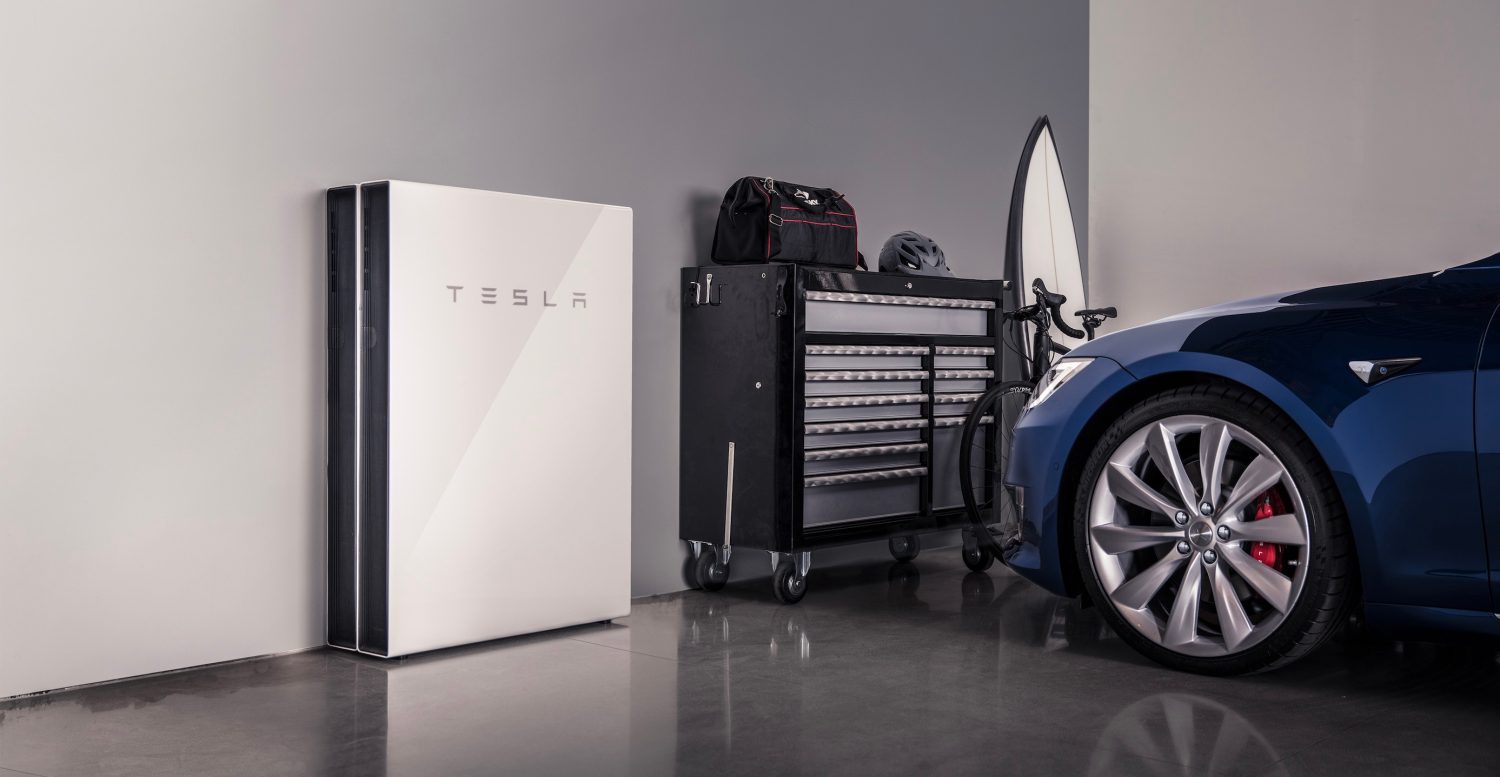
Homeowners lose backup power until inspection and replacement; that’s material during winter outages or heat events. For installers, this is a logistics and safety exercise: triaging customers, scheduling site visits, verifying clearances/ventilation, and coordinating with Tesla for parts and RMAs. Utilities and aggregators running VPPs should expect enrollment downgrades and capacity shortfalls-rebalance bids, adjust dispatch, and communicate with regulators and program administrators to avoid penalties. Financiers and warranty providers should review reserve assumptions and outage risk in portfolios with high Tesla penetration.
Authorities Having Jurisdiction (AHJs) and fire departments should update pre‑plans for residential ESS incidents and ensure crews recognize powered‑down units versus active hazards. From a compliance standpoint, continue to treat UL/NFPA requirements as necessary but insufficient: mandate documented proof of recall clearance before final sign‑off, resale, or interconnection reactivation.
Competitive Angle: How Alternatives Stack Up
Enphase, Generac, sonnen, Panasonic, and others will highlight safety features (cell chemistry, pack segmentation, mechanical fusing, and 9540A test results) to differentiate. Tesla retains advantages in software, fleet telemetry, and OTA controls, which are valuable in a crisis. But buyers will weigh track record and recall execution: speed of replacements, transparency on root cause, and whether design changes permanently address the hazard. For new procurements in the next two quarters, build in optionality-dual‑sourcing or deferring high‑risk batches—until replacement progress and failure analysis are public and credible.
What You Should Do Now
- Inventory and verify: Cross‑check serial numbers against Tesla’s recall list; enroll customers in notification updates. Treat unknown status as high risk.
- Stabilize the fleet: Ensure affected systems are discharged to 0% and disabled from charging; for offline units, guide owners through safe shutdown procedures.
- Document everything: Capture photos of installation, clearances, and shutdown status; keep logs for insurance and regulatory queries.
- Coordinate replacements: Pre‑schedule site access, lift plans, and disposal logistics; align truck rolls to minimize homeowner downtime.
- Update safety protocols: Refresh lithium‑ion response procedures with local fire departments; verify that extinguishing and cooling strategies are understood.
- Manage stakeholders: Notify insurers, lenders, and VPP partners; adjust performance guarantees and incentive program commitments to avoid penalties.
- Tighten procurement: Add supplier quality clauses, recall SLAs, and root‑cause transparency requirements to new ESS contracts.
- Improve monitoring: Where allowed, enable thermal/diagnostic alerts and periodic health checks; require OTA visibility as a condition of interconnection.
What to Watch
Three signals will determine impact. First, the replacement velocity—how quickly Tesla can swap units amid labor and parts constraints. Second, the technical memo—clear root‑cause analysis and evidence of design/process fixes to prevent recurrence. Third, regulator posture—whether CPSC or local authorities impose additional reporting, inspections, or siting restrictions. If Tesla executes efficiently and transparently, the long‑term market effect may be limited. If not, expect stricter underwriting, slower permitting, and buyers shifting toward vendors with diversified chemistries and stronger supplier controls.
Bottom line: take the recall seriously, act quickly to de‑risk affected sites, and use this moment to professionalize ESS governance—supplier quality, remote controls, and safety readiness need to be treated as core program disciplines, not afterthoughts.