What Changed and Why It Matters
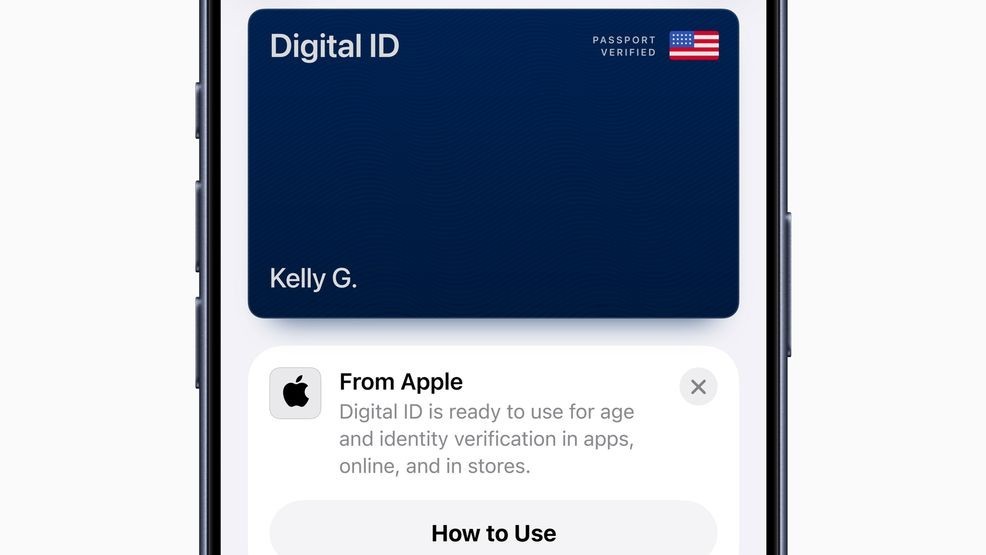
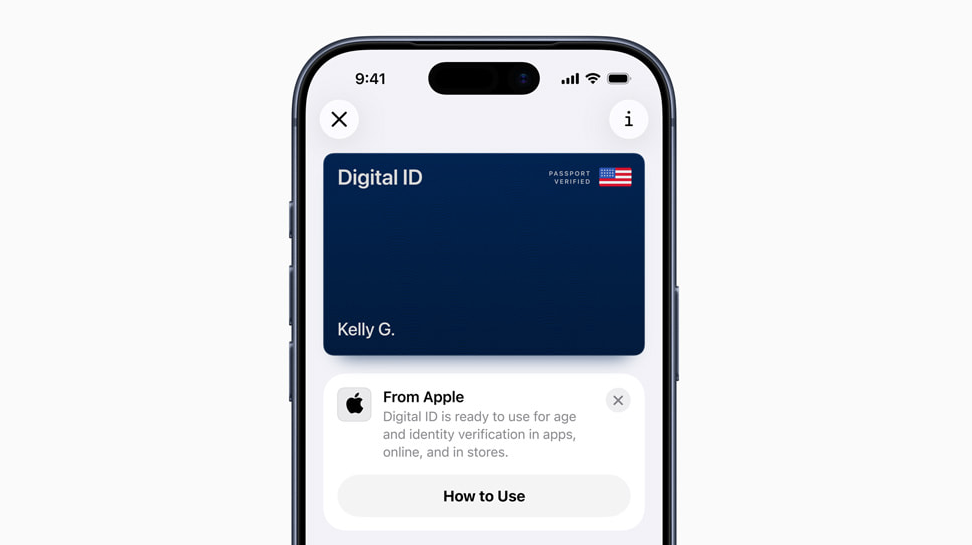
Apple has rolled out Digital ID in iOS 26, letting U.S. iPhone and Apple Watch users add a U.S. passport to Apple Wallet and present it at TSA checkpoints across 250+ airports. The feature is in beta, is live across a dozen states and Puerto Rico, and does not replace physical passports or work for international travel. For operators, this meaningfully reduces friction at airport ID checks and opens a path to privacy-preserving age verification for in-person and online use cases-but acceptance gaps, legal nuance, and integration overhead remain.
Key Takeaways
- Digital ID supports U.S. passports in Wallet for TSA use at 250+ airports; physical IDs are still required as backup, especially while the rollout is incomplete.
- Setup involves scanning the passport’s NFC chip and a biometric selfie with liveness prompts; presentation works like Apple Pay with Face/Touch ID and selective disclosure.
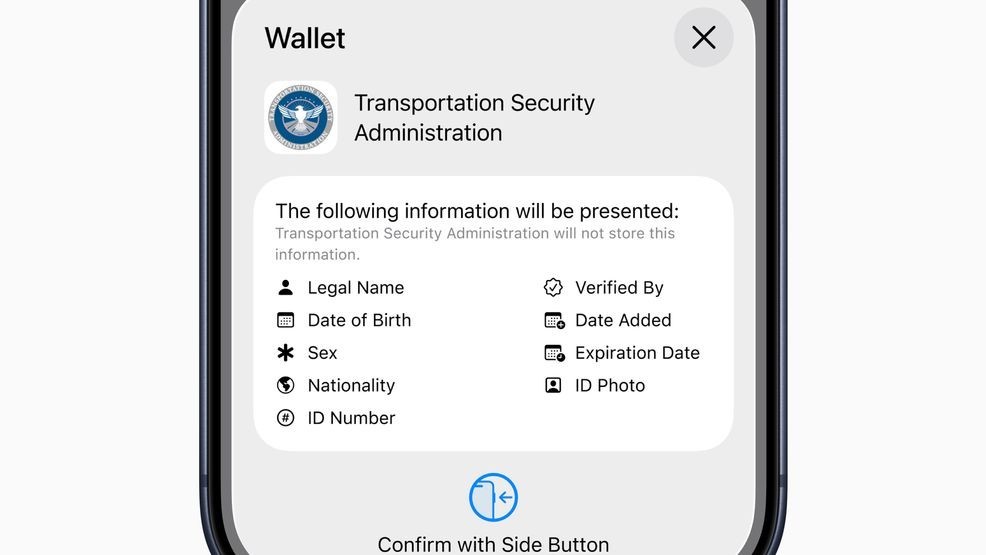
- Apple says it cannot see where/when IDs are presented; users see requested fields before sharing.
- Planned APIs will enable “over 21” verification for bars, venues, and online services without exposing name or address.
- Enterprise adoption should plan for cross‑platform parity (Android), legal acceptance variability, and fallback flows.
Breaking Down the Announcement
Digital ID expands Apple Wallet’s government ID category to include U.S. passports. Users add a passport by tapping “Add” in Wallet, selecting “Driver’s License or ID Cards,” then “Digital ID.” The device scans the passport’s photo page and NFC chip to validate authenticity, followed by a selfie and guided head movements for liveness and match verification. In person, you double-click to open Wallet, select Digital ID, hold the device near a reader, and authenticate with Face or Touch ID.
The TSA is enabling mobile ID at more than 250 airports, but not all checkpoint lanes have compatible readers yet. The agency still advises carrying physical ID. Apple notes the feature is limited to domestic travel contexts; you cannot use it to cross borders or for international flights.
Capabilities, Limits, and Security Posture
Operationally, Apple’s model mirrors Apple Pay’s privacy posture: device-based authentication, user consent on each presentation, and the ability to disclose only the fields requested (e.g., “Over 21” without name or address). Apple states it does not know when or where an ID is presented or what data is shared. The passport chip scan reduces counterfeit risk, while liveness checks mitigate spoofing attempts.
Constraints are notable. Acceptance is uneven-by state, venue, and specific TSA lanes-because reader hardware and training must catch up. Law enforcement acceptance varies by jurisdiction; most interactions will still require a physical ID. And for regulated onboarding (banking KYC/CIP), a binary age check is insufficient; institutions still need full identity attributes and documentary assurance.
Competitive and Market Context
Apple joins a growing push toward mobile IDs. Google Wallet has state-level mobile ID pilots, and identity vendors (e.g., CLEAR, ID.me, Yoti) offer digital proofing and age checks. Apple’s differentiation is deep OS integration, a familiar user experience, and broad device penetration—useful for reducing checkout friction and in‑person bottlenecks. The catch: relying parties must support Apple’s APIs and readers, and enterprises need parity solutions for Android to avoid excluding significant user segments.
What This Changes for Operators
For travel ops, Digital ID can shorten TSA ID verification and reduce document handling. Airlines and airports can expect fewer exceptions at compatible checkpoints, but must maintain robust fallback for lanes without readers or users without Digital IDs.
For commerce and online services, age-gating is the near-term win: bars, stadiums, event venues, and delivery platforms can check “Over 21” without storing sensitive PII. This can reduce checkout abandonment and shrink compliance surface area by avoiding collection of birthdates and addresses. that said, businesses still need to log the fact of verification (time, purpose, outcome) for audit while minimizing stored data.
Risks, Governance, and Implementation Realities
Policy and legal acceptance remain fragmented. Many states do not treat digital IDs as legally equivalent to physical IDs outside specific contexts like TSA. Staff training will determine real-world throughput: if front-line employees ask customers to hand over phones, it defeats the privacy and safety design. Device loss or dead batteries also require a clear fallback.
From a compliance perspective, selective disclosure reduces exposure under privacy regimes (e.g., only receiving an age assertion), but companies still control logs of verification events and must set data retention limits, incident response, and audit trails. Pricing for Apple’s verification APIs has not been detailed; teams should assume zero initial fees but budget engineering effort for integration, testing, and reader hardware where in‑person verification is needed.
Recommendations
- Travel and venue operators: Pilot Digital ID at a subset of checkpoints/entrances with clearly labeled lanes and trained staff. Measure dwell time, exception rates, and user satisfaction; keep physical ID fallback at parity.
- Delivery and age-gated services: Integrate Apple’s age verification APIs for “Over 21” flows, but implement an Android-compatible alternative and a manual fallback (e.g., scan at delivery). Store only verification outcome and minimal metadata.
- Risk and compliance teams: Map where Digital ID can replace PII collection without undermining KYC/AML obligations. Update privacy notices, retention schedules, and access controls to reflect lower data intake but clear audit requirements.
- Product engineering: Design UX to preview requested fields before users consent. Add server-side feature flags and robust metrics to compare conversion and fraud before/after Digital ID rollout.
Looking Ahead
Watch for expanded TSA reader coverage, broader state acceptance, and availability of online verification APIs beyond age checks. International usage is off the table for now; physical documents remain mandatory. The near-term opportunity is targeted: reduce friction at TSA and de-risk age verification. Build for optionality, keep fallbacks first-class, and avoid over-relying on a single platform while the ecosystem matures.