What Changed and Why It Matters
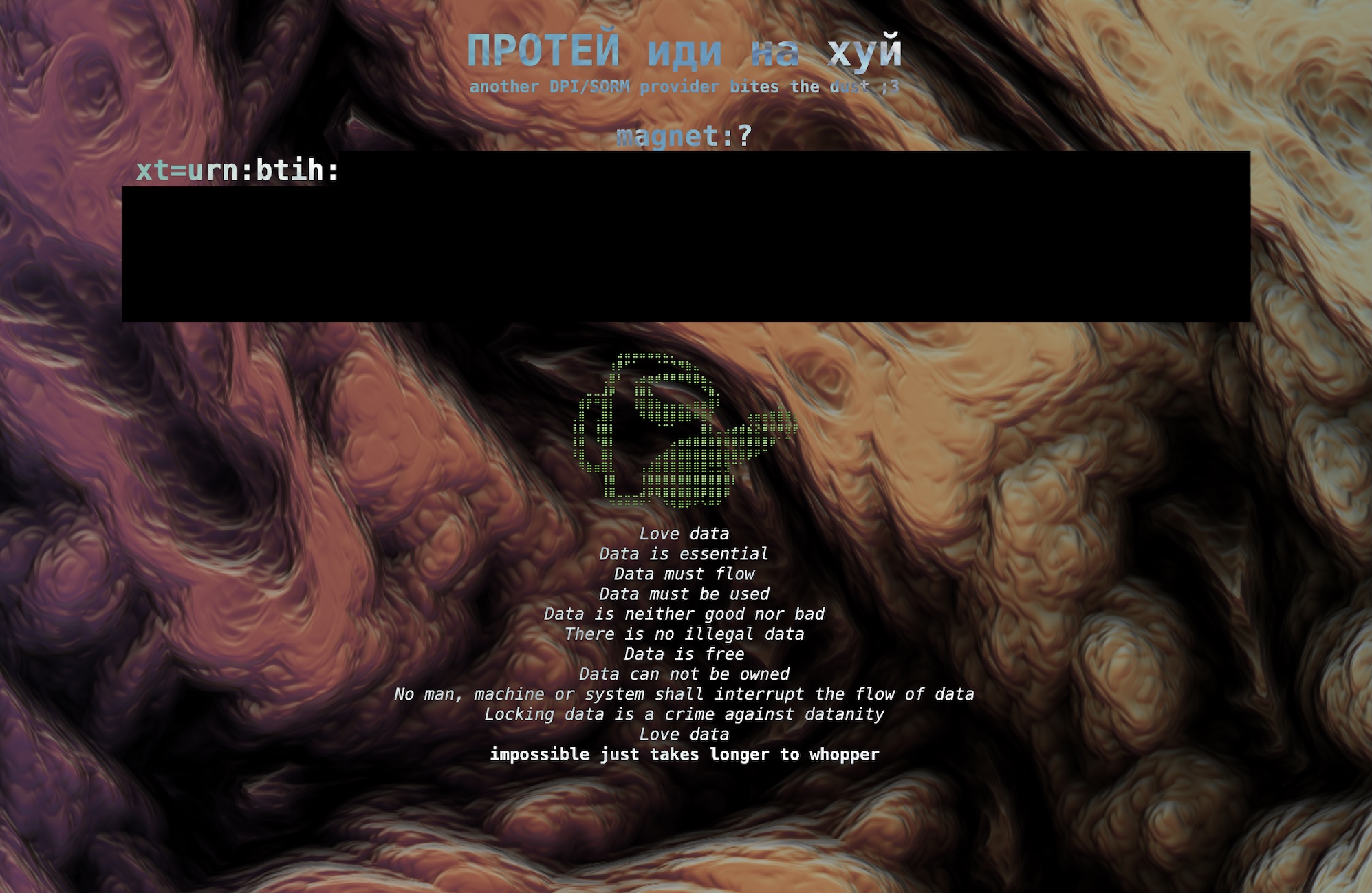
Surveillance-tech vendor Protei was hacked. Attackers defaced its website and reportedly exfiltrated roughly 182 GB of data, including years of email, later shared with DDoSecrets. If verified, the cache appears to expose customer identities and deployment details for deep‑packet inspection (DPI) and lawful‑intercept (LI) systems across multiple countries. For operators and governments that use such tooling, this is not just a PR hit-it’s an operational security, compliance, and human‑rights risk.
Key Takeaways
- Material exposure: ~182 GB suggests configuration files, contracts, support tickets, and credentials may be in scope-not only marketing collateral.
- Immediate risk: Adversaries could leverage leaked network topologies, management interfaces, and keys to target carriers or government clients.
- Governance pressure: DPI/LI buyers now face tougher due‑diligence questions (export controls, sanctions compliance, human‑rights assessments).
- Procurement impact: Expect stalls or renegotiations on new surveillance kit until third‑party audits and incident details are transparent.
- Broader lesson: Any vendor in DPI/LI is a high‑value target; treat this as a sector‑wide wake‑up call, not a one‑off.
Breaking Down the Exposure
Defacement indicates the attackers achieved control over at least parts of Protei’s public infrastructure. The larger risk stems from the alleged data trove: years of company email and internal documents often contain network diagrams, customer implementation guides, inventory lists (by country and operator), support credentials, VPN details for remote maintenance, and license keys. Even if some of the dataset is outdated, historical materials can reveal persistent operational patterns (shared passwords, unchanged SNMP communities, reused IP subnets, unrotated certificates) that attackers can test against current environments.
Because DPI/LI systems sit on privileged network paths-traffic mirroring points, mobile core links, or backbone choke points—compromise or misuse can yield outsized impact. The reported customer/deployment details raise dual concerns: (1) immediate exposure of sensitive infrastructure and (2) renewed scrutiny of whether deployments enable censorship or surveillance in ways that breach local or international norms.
Why This Hits a Nerve Now
Telecom and national-security agencies increasingly rely on DPI/LI to meet lawful access obligations, filter malicious traffic, and enforce policy. At the same time, regulators and civil-society groups have escalated expectations around export controls, sanctions adherence, and human-rights due diligence. A dataset that potentially maps where and how this gear is used could fuel regulatory inquiries, NGO investigations, and civil litigation—particularly in jurisdictions covered by NIS2, GDPR, and emerging corporate due‑diligence laws.
The incident also follows a pattern: when surveillance firms are breached (think prior leaks of offensive tooling and interception vendors), downstream risk shifts to operators who must certify continuity of service and legal compliance while proving their networks and LI processes are still trustworthy.
Operational and Compliance Risks to Watch
- Credential and access exposure: Hard‑coded passwords, TACACS/RADIUS secrets, TLS keys, and remote‑support VPN profiles are common in support tickets. Assume compromise until proven otherwise.
- Network targeting: Diagrams and interface maps can accelerate intrusions into mediation devices, LI handover points, or lawful intercept gateways.
- Legal obligations: If traffic data, subscriber identifiers, or intercept metadata are in the cache, breach‑notification and regulatory reporting clocks may start for affected operators.
- Sanctions/export control risk: Evidence of sales or deployments in embargoed markets can trigger inquiries by regulators and banks.
- Human‑rights exposure: Documentation of censorship lists or surveillance use cases will draw scrutiny from NGOs and customers.
Competitive and Market Context
DPI/LI is a concentrated market with a mix of global and regional vendors. Incidents at one supplier typically reverberate across the category: procurement slows, audits tighten, and competitors tout “clean” supply chains. Yet most offerings share similar support models—remote access, field‑engineer jump hosts, and complex integration with core networks—creating comparable risk profiles. The deciding factor becomes transparency and remediation discipline, not brand alone.
What Leaders Should Do Now
- Within 72 hours (if you’re a Protei customer or integrator): Isolate management interfaces for all DPI/LI nodes; revoke and reissue device and VPN certificates; rotate TACACS/RADIUS/SSH credentials; disable any remote support accounts; and increase logging at LI mediation points. Task threat hunting to search for anomalous access to LI handover interfaces and related jump hosts.
- Two weeks: Demand a written incident report and SBOM from the vendor; require third‑party verification of containment and key rotations. Conduct a red‑team exercise focused on your intercept and packet‑capture pathways. Update risk registers, notify regulators where required, and review contracts for support‑access obligations and termination rights.
- Quarterly: Institute “two‑person control” for LI activations, immutable logging with external attestation, and strict network segmentation between packet‑processing planes and management planes. Require independent audits for any vendor with privileged network access.
- Procurement stance: Pause new purchases until a credible remediation plan is delivered. For any DPI/LI vendor, mandate secure‑by‑default configurations (no default creds, hardware‑backed keys, JIT access with MFA, per‑session recording) and rapid credential rotation SLAs.
What This Changes
For operators, the bar for vendor transparency just went up. Expect boards and regulators to ask not only “Are we patched?” but “Who can reach our intercept stack, how is it monitored, and how quickly can we rotate every key?” For vendors, security posture becomes a core buying criterion: documented secure support workflows, provable access controls, and willingness to subject high‑risk components to independent review.

Bottom Line
If the reported 182 GB leak is authentic, the Protei incident is a sector‑level event. Treat your DPI/LI environment as potentially exposed, execute immediate credential and access remediation, and raise your assurance threshold for any vendor with privileged placement in your network. The organizations that respond fastest—with technical containment, clear disclosures, and verifiable controls—will keep regulators and customers onside while everyone else is still asking where their keys are.