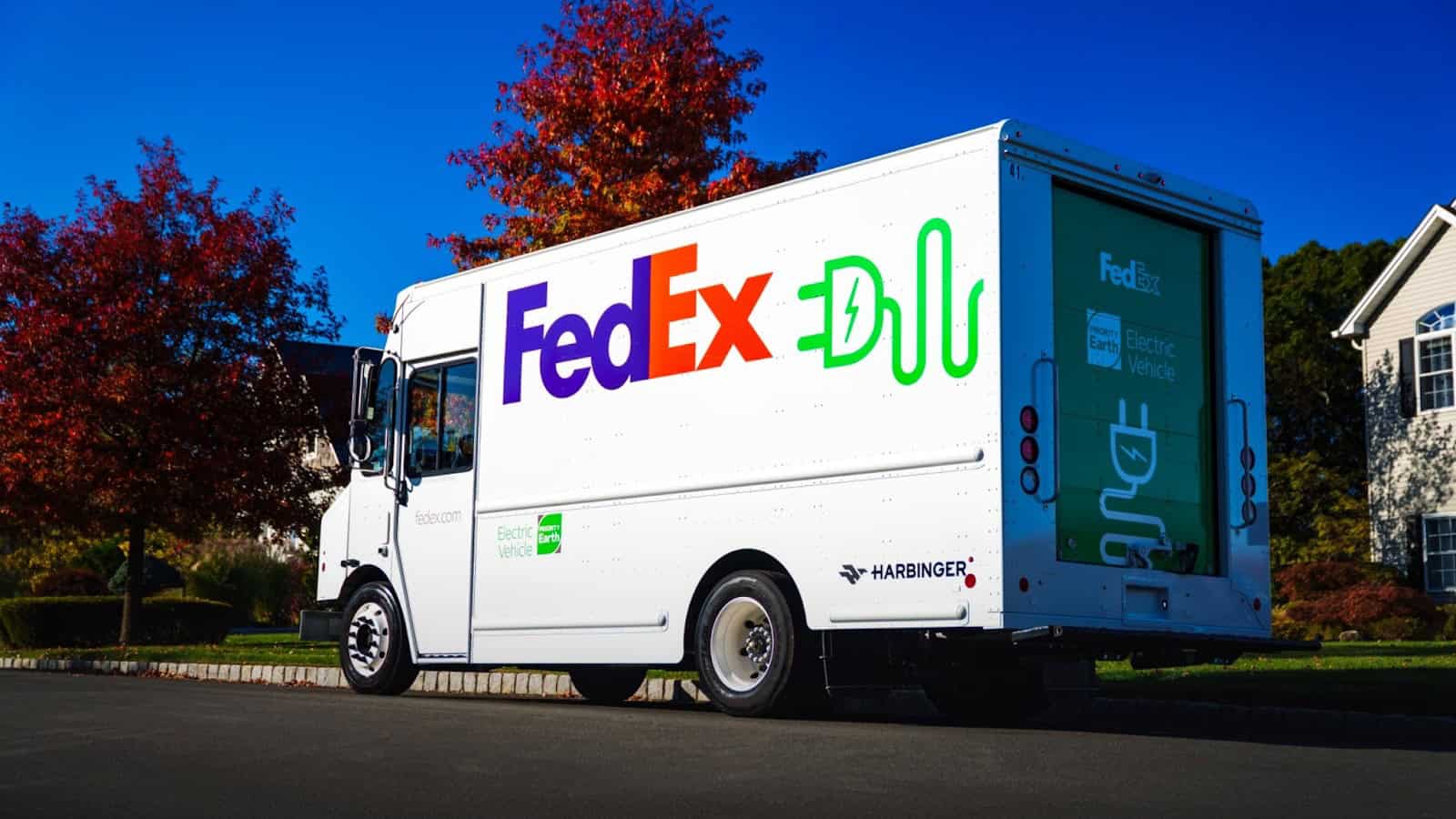
Why This Funding Round Actually Matters
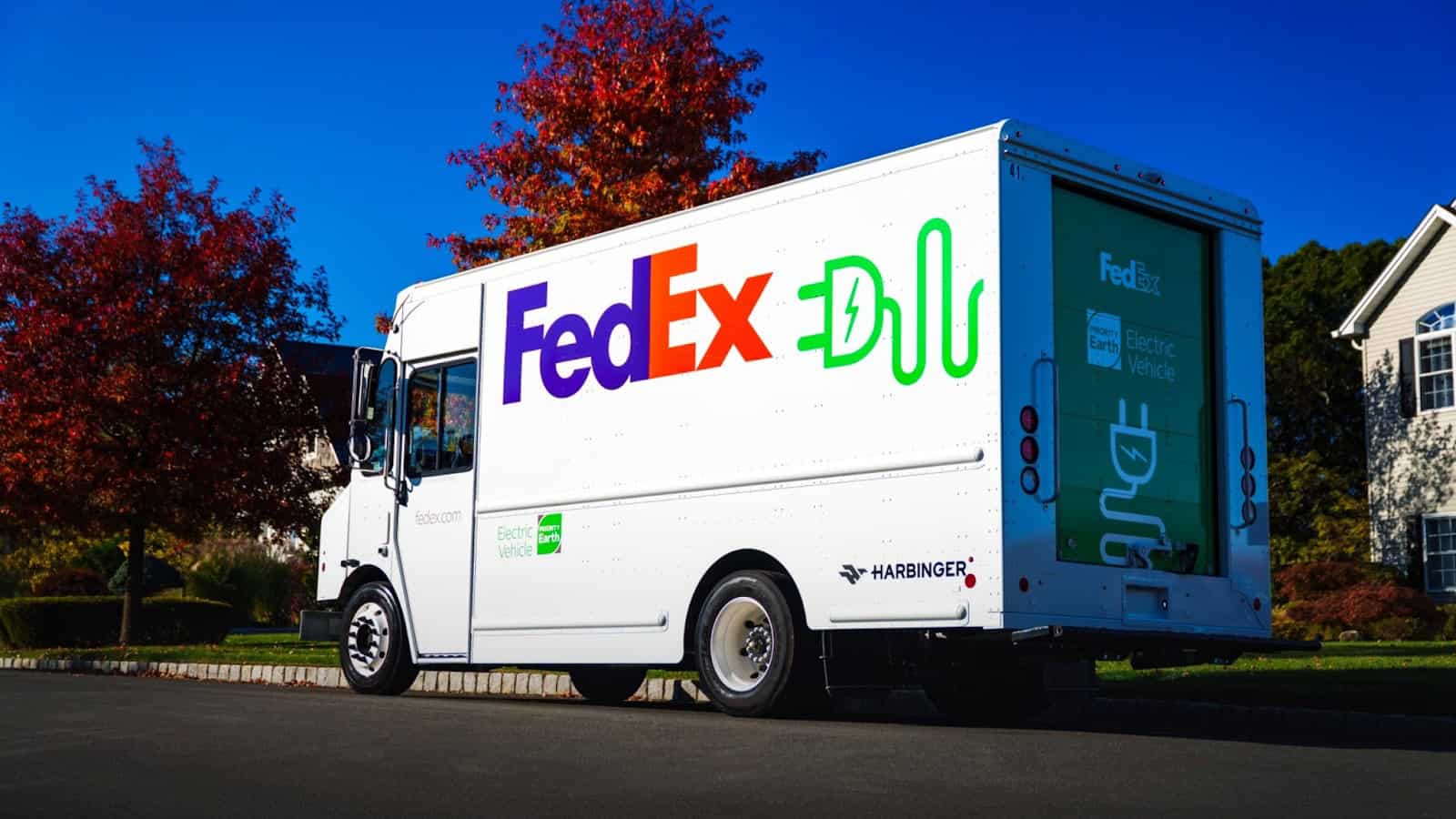
Harbinger raised $160 million in Series C funding co-led by FedEx and THOR Industries to scale production of its medium-duty electric truck chassis. FedEx also placed an order for 53 chassis due by year-end, and Harbinger says it has sold more than 200 units this year with plans to expand into Canada. This is less about a flashy partnership and more about credible demand and capital landing in a stubborn, high-emission vehicle class where electrification has lagged.
Key Takeaways
- Signal over noise: a logistics giant is both investing and buying-53 chassis in the first tranche, 200+ sold YTD, creating a real production ramp.
- Medium-duty focus (Class 4-6) fills a gap-fewer proven EV options than light vans, but large urban emissions impact and strong regulatory pressure.
- Economics can work: with U.S. 45W credits (up to $40,000/vehicle) and lower maintenance, TCO parity is plausible for dense routes.
- Execution risk remains: battery supply, upfitter integration, and depot charging readiness will determine whether pilots scale.
- Canadian expansion is timely given federal iMHZEV incentives and provincial programs-expect cross-border pilots where incentives stack.
Breaking Down the Announcement
Harbinger builds electric chassis for medium-duty trucks—think the underpinnings that upfitters turn into box trucks, step vans, and refrigerated units. The round, co-led by FedEx and THOR Industries, funds manufacturing scale-up and supply chain hardening. FedEx’s 53-chassis order creates a near-term proving ground across multiple routes and climates, while >200 sales this year suggest the company is not starting from zero.
Technically, Harbinger is targeting urban and regional delivery duty cycles: estimated 150-200 miles per charge, batteries in the ~150-300 kWh range, and DC fast charging support to keep assets productive. Payload and upfit flexibility are critical; a modular chassis lets fleets swap bodies (parcel, reefer, specialty) without replatforming. Harbinger also emphasizes integrated telematics—fleet diagnostics, energy management, and route-level analytics—now table stakes for EV uptime and cost control.
What This Changes for Operators
Medium-duty is where electrification gets operationally interesting. These trucks work predictable, stop-and-go routes, return to base nightly, and burn diesel inefficiently in urban traffic. With electricity at commercial rates and consumption often in the 1.2–1.6 kWh/mile range for this class, many fleets can see $0.15–$0.25 per mile fuel savings versus diesel, plus materially lower brake and powertrain maintenance. Layer in the U.S. commercial clean vehicle credit (45W) up to $40,000 per vehicle (for >14,000 lb GVWR), and the math starts to clear for 5–7 year asset lives.
This also aligns with regulatory timelines. California’s Advanced Clean Trucks and the emerging “Clean Fleets” requirements are pushing procurement toward zero-emission vehicles, and several states are following. Litigation and implementation timing vary, but directionally the compliance pressure is one-way. In Canada, the federal iMHZEV program offers meaningful per-vehicle incentives depending on class, with additional provincial support in places like Quebec and British Columbia, making Harbinger’s expansion timing pragmatic.
The caveat: depot charging and demand-charge management will make or break TCO. Operators will need load planning, managed charging, and in some cases on-site storage or generation to stabilize costs. The real advantage goes to fleets that can align route design, charging windows, and telematics-driven maintenance—areas where Harbinger’s software stack, if robust, will be as important as hardware.
Competitive Angle
Harbinger’s lane is less crowded than light-duty vans (where Ford E-Transit and Rivian dominate headlines) but not empty. Freightliner’s eM2 is a credible Class 6–7 option; Lion Electric, Xos, Motiv, Workhorse, and Lightning eMotors target adjacent form factors and classes with varying production maturity. Harbinger’s differentiation is the chassis-first approach with broad upfitter compatibility and a focus on medium-duty delivery cycles.

FedEx’s role matters. Unlike single-customer tie-ups (e.g., bespoke vans), a chassis play with multiple body partners can spread risk and accelerate scale across diverse use cases. THOR’s participation is notable, too; while not confirmed, it likely signals interest in electrified specialty vehicles and RV platforms using the same backbone.
Risks and Unknowns
- Production scale: moving from hundreds to thousands of units stresses battery, inverter, and semiconductor supply chains, plus quality systems.
- Upfitter readiness: body builders need EV-compatible designs, weight balance, and thermal management—missteps can erase range and payload.
- Charging readiness: utility lead times and demand charges can delay deployments and undermine TCO without early planning.
- Performance proof: durability in heat/cold, regen limits under heavy loads, and brake wear must be validated in daily service.
- Residual values: secondary market pricing for medium-duty EVs is unproven, affecting lease terms and balance-sheet risk.
Operator’s Recommendations
- Run a route-by-route TCO: model three energy price scenarios, apply 45W (U.S.) or iMHZEV (Canada) incentives, and include demand charges and charger depreciation.
- Pilot at two depots: select dense urban routes within 120–160 miles/day, install managed charging, and baseline diesel benchmarks for fair comparison.
- Lock in upfit partners early: validate body aerodynamics, weight, and thermal loads with Harbinger’s chassis specs to preserve range and payload.
- Integrate telematics into ops: connect vehicle data to maintenance, dispatch, and energy management systems; assign clear KPIs (uptime, cost/mile, SLA adherence).
Bottom line: this round gives Harbinger the capital and validation to push medium-duty electrification from pilot to production. If the company hits delivery, uptime, and integration targets on the FedEx order and beyond, expect a faster shift in Class 4–6 fleets where compliance pressure and economics are converging. If execution slips, the market will revert to incumbents with deeper manufacturing footprints. The next two quarters will tell which way this goes.