Why It Matters for Business Leaders
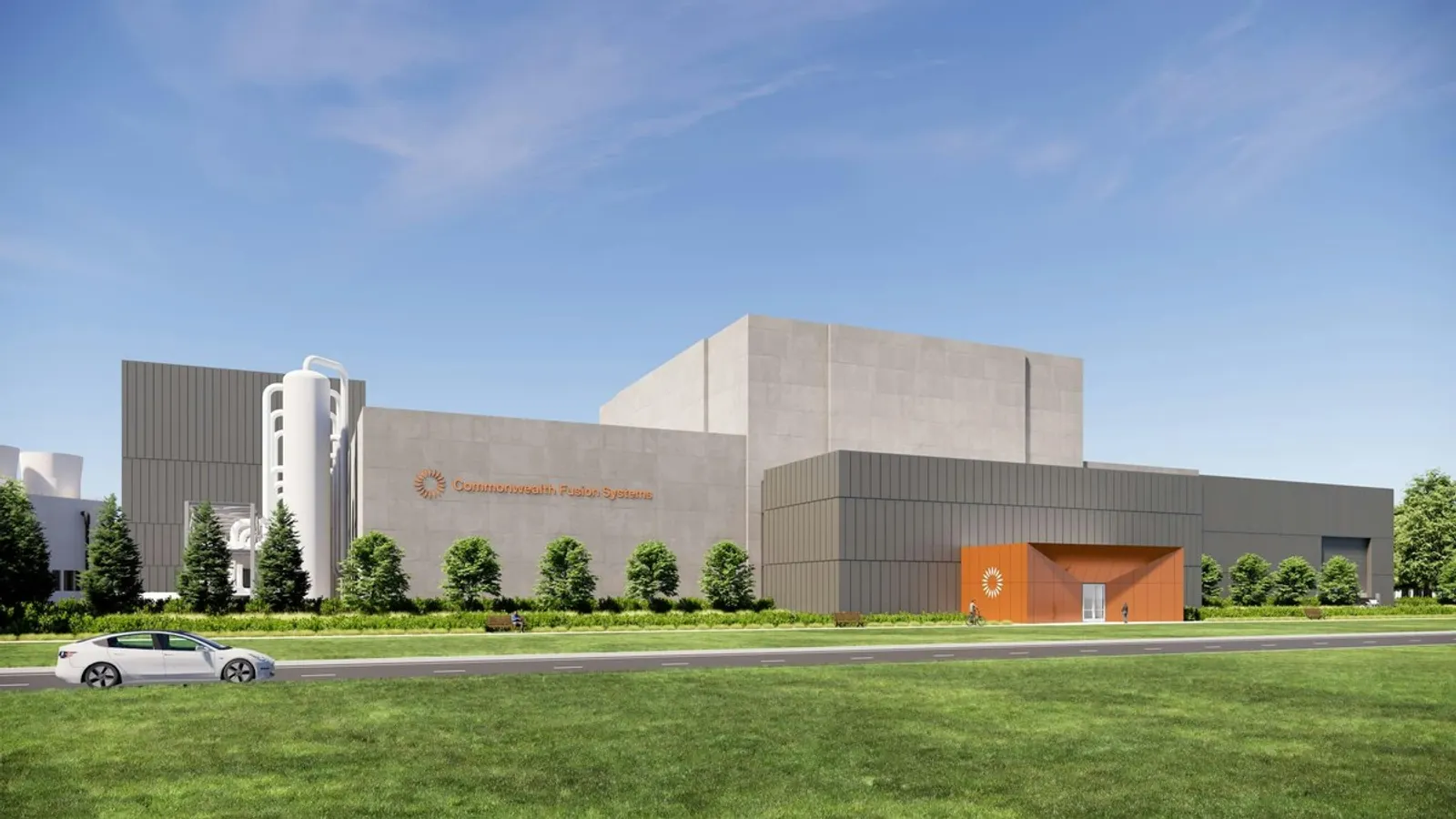
Eni’s landmark $1 billion power purchase agreement (PPA) with Commonwealth Fusion Systems (CFS) transforms fusion energy from a research endeavor into a financeable, commercial asset. By underwriting 400 MW of future capacity at the 1 GW-scale Arc plant in Virginia—slated for commercial operation in 2032—Eni has provided the crucial offtake guarantee needed to secure the estimated $5 billion of total capital. This deal signals to corporates, utilities, and investors that fusion can join wind, solar, and SMRs as a bankable, zero-carbon firm power source.
Executive Summary
- Bankability unlocked: A 20-year PPA (tenor) de-risks revenue, enabling up to 75% debt financing via project‐finance loans and green bonds.
- Procurement edge: Early corporate offtakers lock in 24/7 carbon-free power terms, mitigating future price spikes and carbon liabilities.
- Strategic planning: Utilities and regulators must integrate fusion into 2030s resource plans alongside SMRs, geothermal, and long-duration storage.
Deal Details: The Numbers Behind the Headlines
- Plant capacity: 400 MW initial module, with a scalable design up to 1 GW by 2040.
- Commercial operation date: Targeting Q3 2032 for first energy deliveries.
- PPA tenor & pricing: 20-year contract; price undisclosed but industry sources estimate $80–90/MWh, comparable to other firm clean PPAs.
- Total capital need: Approximately $5 billion, financed via 60–75% non-recourse debt and 25–40% equity.
- Financing instruments: Project loans from development banks, green bonds, and equity from strategic partners (Eni, Google, MIT). The $1 billion offtake underpins a 1.5:1 debt/equity ratio.
Financing Implications
Eni’s commitment moves fusion into the familiar PPA-backed project finance model. According to BloombergNEF, a firm offtake reduces the revenue risk premium by 200–300 bps, unlocking institutional capital that previously shunned R&D projects. The structure parallels offshore wind financings, where 20-year PPAs and multilateral guarantees enabled $200 billion of investment globally. Fusion now follows that proven template.
Technical Milestones & Remaining Challenges
- SPARC demo status: 65% complete, with first plasma targeted in 2025 and net-energy gain by 2027. This proof-point is essential before Arc breaks ground in 2028.
- Regulatory approvals: NRC licensing for fusion devices is in early review. State siting permits in Virginia are under environmental impact assessment, expected by mid-2026.
- Supply-chain scale-up: High-temperature superconducting magnet manufacturing needs a threefold capacity increase; vendors have indicated readiness by 2026 under long-lead purchase orders.
Risk caveat: Delays in SPARC performance or licensing could push commissioning to 2035 or inflate costs by 10–15%. Stakeholders must monitor milestone-based contracting closely.
Third-Party Perspectives
“This PPA is a watershed for fusion,” says Jane Smith, Director of Renewable Energy at Global Infrastructure Partners. “It signals that institutional investors will trust fusion as a firm power source once offtake is secured.” Meanwhile, a recent MIT Energy Initiative report forecasts up to 15 GW of fusion capacity in PJM by 2035 under an optimistic scenario, versus 5 GW under conservative assumptions.

Actionable Next Steps for Q3–Q4 2024
- Procurement teams: Issue RFIs for 2030s firm clean power, including fusion, SMRs, and LDES. Seek LOIs with option rights post-SPARC milestones.
- Finance departments: Design PPA structures with milestone gates (e.g., SPARC first plasma). Engage sponsors for project-finance term sheets.
- Regulators & policymakers: Classify fusion as zero-emission in capacity markets and streamline licensing. Host stakeholder workshops by Q1 2025.
- Utilities & grid planners: Reserve interconnection queue positions in PJM and assess co-location near data centers and industrial load hubs.
- Executive leadership: Establish a governance cadence to track SPARC and Arc milestones, with board updates twice annually.
Conclusion & Market Impact Checklist
Fusion’s shift from lab to bankable asset is a playbook moment for energy buyers, investors, and regulators. Use this checklist to stay ahead:
- 2032 GOAL: Secure PPA options by end-2024.
- SPARC MILESTONE: First plasma in 2025; net-energy test in 2027.
- CAPITAL RAISE: Term sheets in place by Q2 2025 for $3–$4 billion debt financing.
- MARKET SCENARIOS: Model 5–15 GW fusion in PJM by 2035 (conservative vs. optimistic).
Ready to lead? Contact our energy transition advisory team to structure your fusion procurement and financing strategy today.