Executive summary
Zoox’s initiation of manual mapping operations in Dallas and Phoenix underscores the persistent regulatory uncertainty and environmental challenges that accompany efforts to commercialize autonomous ride-hailing. By deploying Toyota Highlander SUVs for data collection and opening new depots and a “fusion center,” Zoox is signaling ambition—but its path to a steering-wheel-free service remains entangled in approvals, community perceptions, and competitive dynamics.
Key points
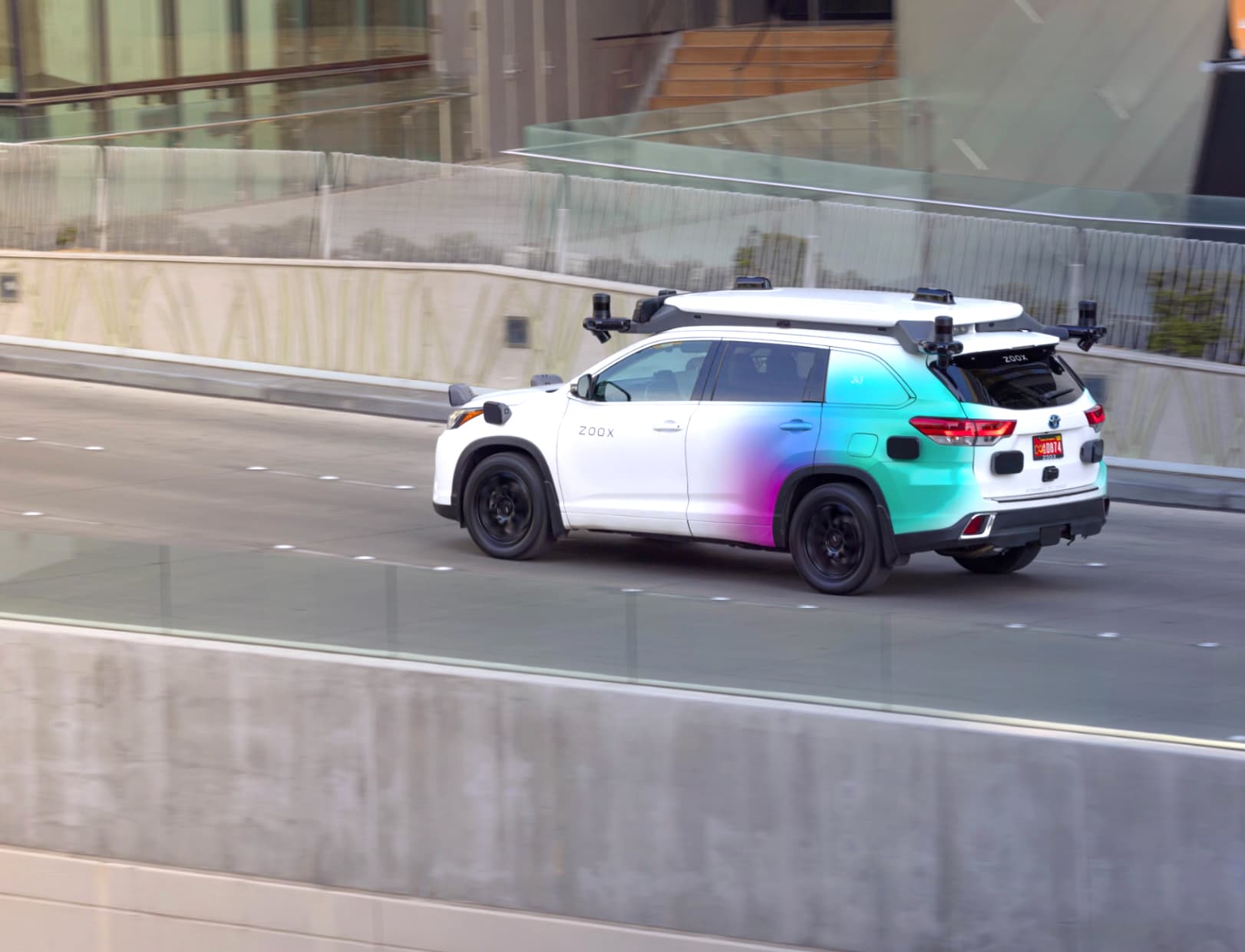
- Purpose of mapping: Toyota Highlanders are collecting sensor and mapping data in Dallas and Phoenix ahead of supervised AV testing and transition to Zoox’s purpose-built robotaxi.
- Operational expansion: New depots in both cities and a Scottsdale “fusion center” add to Zoox’s footprint in 10 U.S. markets and follow more than 1 million autonomous miles and 300,000 passengers to date.
- Regulatory bottleneck: Demonstration exemptions from NHTSA do not equate to steering-wheel-free commercial approval; local ride-hail permits remain undecided.
- Environmental stress tests: Phoenix’s heat and dust, and Dallas’s varied road geometries, serve as critical proving grounds for sensor resilience and thermal management.
- Competitive stakes: Entry into Phoenix pits Zoox against Waymo’s established operations, while Dallas offers a less dense setting—but all hinge on regulatory green lights.
Mapping for resilience testing
Zoox’s use of Toyota Highlander SUVs is a pragmatic step to generate high-fidelity maps and validate sensors under extreme conditions. In a statement, the company emphasized that “Phoenix and Dallas … allow us to test in sprawling environments and rigorously validate our technology’s resilience in diverse and challenging weather conditions.” This approach marks a shift from dense urban cores to Sun Belt terrains, reflecting a need to adapt AV systems to heat-induced sensor drift, dust accumulation, and complex suburban road layouts.
Operational build-out and community engagement
The company’s operational infrastructure now includes depots in Dallas and Phoenix, plus a Scottsdale command hub for remote guidance and rider support. By mirroring its Las Vegas and Bay Area fusion centers, Zoox aims to coordinate real-time interventions and troubleshooting. This build-out carries implications for local labor markets, with “hundreds” of jobs projected, and for community stakeholders, who may perceive mapping vehicles as a precursor to service rollout. Potential impacts include concerns over neighborhood traffic patterns, site selection for depots, and transparency around data collection.

Regulatory and governance considerations
Despite demonstration approvals from the National Highway Traffic Safety Administration, Zoox lacks the full exemption required to operate a commercial robotaxi without conventional controls. Local authorities—state public utility commissions and municipal ride-hail regulators—retain final say on operations. Implications for regulatory bodies include balancing innovation incentives against public safety and community consent. The pending national AV safety forum, where Zoox’s CEO will appear alongside peers, underscores the ongoing debate over industry standards and oversight frameworks.
Environmental stress and technical risk
High heat and dust exposure in Phoenix poses unresolved questions about sensor longevity, battery thermal management, and maintenance cycles. Dallas’s mix of highways, loop roads, and seasonal weather variations adds further complexity. Third-party benchmarks on sensor degradation in such settings are scarce, raising considerations for fleet reliability and total cost of ownership. Real-world data from mapping runs will inform—but not guarantee—the robotaxi’s performance under live service conditions.
Competitive context
Zoox’s Sun Belt strategy places it in a direct contest with Waymo, which has operated commercially in Phoenix since 2020. Waymo’s longer tenure offers brand recognition and rider familiarity, while Zoox’s broader design overhaul—aimed at a steering-wheel-free interior—remains untested at scale. Cruise and other AV developers are also eyeing similar markets, intensifying competition for regulatory approvals, municipal partnerships, and rider trust. The stakes extend beyond market share to shape perceptions of AV viability and the technology’s social license to operate.
Broader implications for the AV industry
Zoox’s expansion into Dallas and Phoenix illuminates the fragile interplay between technological ambition, regulatory frameworks, and community acceptance. As autonomous services edge closer to commercial reality, stakeholders confront questions of agency and control: who governs public streets, whose data drives system improvements, and how local populations influence service design. The Sun Belt push serves as a diagnostic lens on the industry’s maturation—one where environmental extremes and policy lag may prove more determinative than any sensor suite or dataset size.