Thesis
Skyward Wildfire’s metallic chaff-based lightning suppression advances with little public data and could disrupt fire-adapted ecosystems by suppressing natural ignitions that maintain landscape resilience.
What changed and why it matters
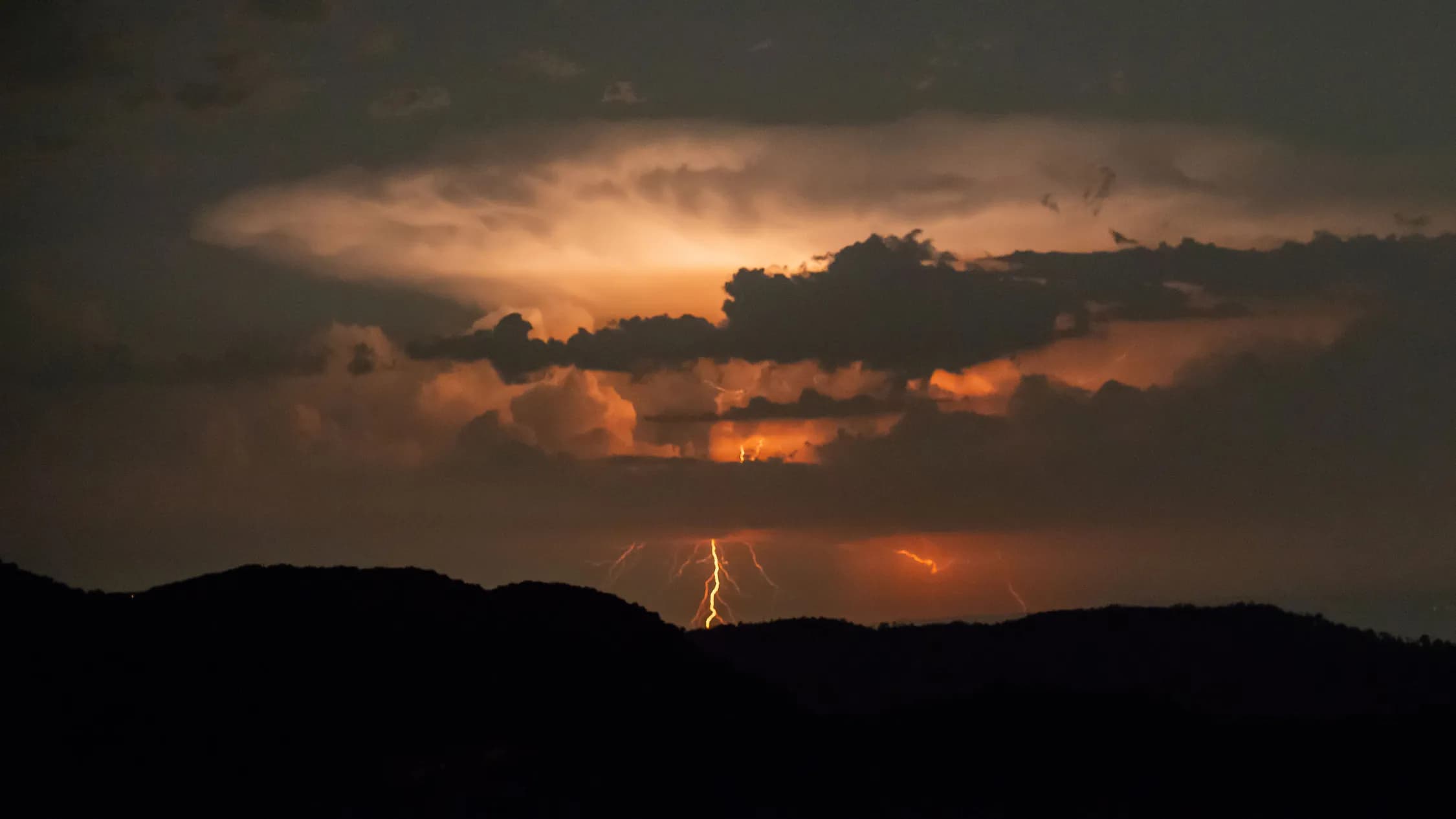
Skyward Wildfire, founded in 2024, claims to neutralize cloud-to-ground lightning strikes over high-risk zones by dispersing aluminum-coated fibers (military-style chaff). The startup reports a “first operational season” in 2025 with an unverified “majority” of targeted strikes prevented (company statement, no independent audit). Following MIT Technology Review inquiries, its earlier “up to 100%” prevention claim was replaced with the vaguer “majority.” Despite the absence of peer-reviewed studies or raw field data, Skyward closed a roughly $8 million funding round in late 2025 (company press release, no SEC filing).
This shift matters because lightning ignitions account for an estimated 50–60% of wildfire starts in parts of North America (external climatology sources), and avoiding systematic ignitions could suppress the low-intensity fires that historically reduced fuel loads. While short-term ignition reduction seems promising, long-term ecological risks include fuel accumulation, altered species composition, and heightened vulnerability to megafires—potentially turning a wildfire fix into a larger liability.
Key takeaways
- Private intervention: Skyward promotes active lightning suppression via metallic chaff after an unverified 2025 field effort, with no raw strike counts or peer review published.
- Claims vs. data gaps: The startup shifted from “up to 100%” to “majority” prevention in public materials; the absence of geographic scope, control conditions, and third-party audits remains unaddressed.
- Ecological trade-offs: Preventing natural ignitions may inhibit the periodic low-intensity fires that reduce surface fuels and sustain fire-adapted habitats.
- Governance voids: Environmental impact assessments, aviation oversight, and interagency coordination for chaff deployment are undefined, leaving regulatory gaps.
Technology and evidence gaps
The concept of using conductive fibers to inhibit lightning dates to mid-20th-century research but has seen only small-scale experiments. Skyward’s approach pairs AI forecasting with targeted chaff dispersal on “extreme-risk” days, aiming to enhance cloud conductivity and dissipate charge before strikes. However, storm cells often generate tens of thousands of discharges per hour, implying that materially altering strike frequency at scale may require volumes of chaff far exceeding those trialed in laboratory or limited airborne tests.

Public descriptions note partnerships with government wildfire services and an operational season in 2025, but granular data is missing. No published field logs detail the number of sorties, fiber quantities deployed, cloud microphysics measurements, or comparative outcomes against untreated control areas. Without independent monitoring—such as ground-based lightning detection networks or peer-reviewed analyses—the efficacy claims remain unverified.
Ecological and governance concerns
Many ecosystems in North America rely on periodic low-intensity fires for nutrient cycling, seed germination, and fuel reduction. Suppressing natural lightning ignitions could lead to abnormal fuel accumulation, shifting fire regimes toward high-severity events. This dynamic mirrors historical debates over aggressive fire suppression policies that, by mid-20th century, contributed to denser forests and larger wildfires.
Environmental persistence of aluminum-coated fibers is largely unstudied in forested or alpine settings. Potential risks—soil or water contamination, impacts on invertebrates, and air-quality degradation—have not been publicly assessed in environmental impact statements or life-cycle analyses. Existing military and aviation uses of chaff (for radar countermeasures) operate under different regulatory frameworks and shorter duration exposures, leaving a regulatory oversight gap for sustained ecological deployments.
Landscape management alternatives
Time-tested wildfire risk reduction strategies—prescribed burns, mechanical thinning, and community preparedness—focus on fuel management rather than ignition elimination. These methods do not eradicate ignitions but reduce the probability that lightning strikes result in large, high-severity fires. In contrast, untested lightning suppression functions solely as an ignition-management tool. If deployed in isolation, it risks creating a false sense of security while sidelining established fuel-reduction practices.
Regulatory and oversight gaps
No clear standards exist for approving widespread chaff deployment over populated or ecologically sensitive areas. Aviation authorities regulate chaff for limited defensive uses, but environmental agencies have not defined frameworks for airborne seeding of conductive fibers aimed at weather modification. Coordination among federal wildfire agencies, environmental regulators, and aviation bodies appears minimal, leaving questions about liability, permissible concentrations, and monitoring responsibilities unanswered.
Diagnostic governance needs
- Independent verification needs: Transparent release of raw strike-count data, cloud-electrical measurements, and comparative untreated controls to validate suppression claims.
- Environmental assessment gaps: Formal life-cycle analyses and field monitoring plans for fiber persistence, soil chemistry shifts, and biotic impacts before broader deployment.
- Pilot governance frameworks: Defined temporal and geographic limits for field trials, coupled with integration into existing fuel-management programs to track ecosystem responses.
- Cross-disciplinary review structures: Establishment of peer-review panels spanning atmospheric science, ecology, and public policy to evaluate results—positive and null.
- Regulatory coordination needs: Clear delineation of roles among aviation, environmental, and wildfire agencies to oversee experimental lightning suppression activities.
Skyward’s lightning suppression proposition arrives amid rising wildfire pressures, but without robust evidence and governance guardrails, the technology risks undermining the natural fire regimes that sustain resilient landscapes.