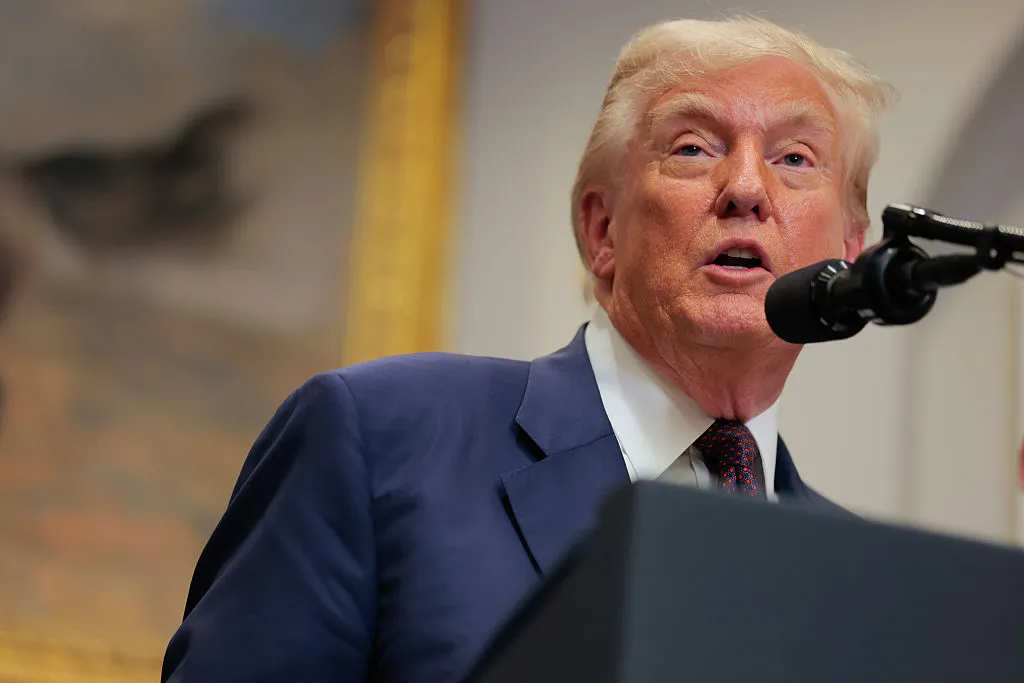
On Feb. 22, 2026, former President Donald Trump leveraged Netflix’s pending $83 billion acquisition of Warner Bros. Discovery to demand the removal of board member Susan Rice—a tactic that underscores how political actors are increasingly weaponizing merger reviews as leverage for corporate governance decisions. This episode spotlights the emerging dynamic where public figures harness regulatory checkpoints to enforce ideological or personal aims inside boardrooms.
Immediate context
Trump’s post on Truth Social echoed far-right activist Laura Loomer’s critique of Rice, calling her a “political hack” and warning Netflix to fire her “IMMEDIATELY, or pay the consequences.” The timing matters: Netflix awaits antitrust and public-interest clearance from the DOJ and FTC for its $83 billion deal to acquire Warner Bros.’ studios and streaming assets. To date, neither Netflix nor Rice has issued a public response.

Regulatory review as leverage
Mergers of this scale routinely attract scrutiny of competitive effects, governance structures and public-interest considerations. That review process affords opponents an opportunity to submit comments, raise concerns and shape the narrative around a deal. In this case, the threat of “consequences” tied to board composition signals an unusual intertwining of political pressure and antitrust oversight—though there is no indication that DOJ or FTC staffs have formally intervened on governance grounds.
Risks of politicizing governance
Yielding to political ultimatums risks setting a precedent that board seats can be negotiated under threat of regulatory delay or obstruction. Such a precedent could spur shareholder litigation alleging that personnel changes were driven by coercion rather than fiduciary judgment. Conversely, a refusal to comply may invite escalated political campaigns, intensified media scrutiny and coordinated lobbying during the merger review.

Limits of precedent
Calls for corporate boards to oust specific directors are not entirely new. During Microsoft’s review of its 2022 acquisition of Activision Blizzard, critics urged the company to remove then-White House antitrust adviser Lisa Monaco from its board, but Microsoft maintained Monaco’s position and completed the deal in 2023. Differences in deal structure, regulatory relationships and public profiles, however, limit the direct applicability of that outcome to Netflix’s situation—highlighting that each case may hinge on its own constellation of political, legal and reputational forces.

Anticipated corporate responses
- Boards are likely to document governance discussions and business rationales related to Rice’s tenure to bolster defenses against claims of politically driven decision-making.
- Public statements or silence from Netflix and Rice will shape investor and regulatory perceptions, potentially resetting narrative control of the merger process.
- Regulators may reaffirm that merger approvals rest on competition analysis and statutory criteria—not social-media threats—if public filings or comment dockets reference governance concerns.
What to watch
- Official communications from Netflix or Susan Rice, including any resignation announcements, defenses or clarifications.
- DOJ/FTC filings or public comments on the Warner Bros. transaction that mention governance or public-interest considerations beyond standard antitrust review.
- Amplification by political coalitions, activist investors or advocacy groups aiming to influence the merger docket through public comment campaigns.
This confrontation between a former president and a corporate board member illustrates a broader shift in how political disputes can intrude into boardroom governance. By tying Susan Rice’s fate to the fate of an $83 billion deal, Trump has spotlighted a novel front in the intersection of politics, regulatory oversight and corporate agency.