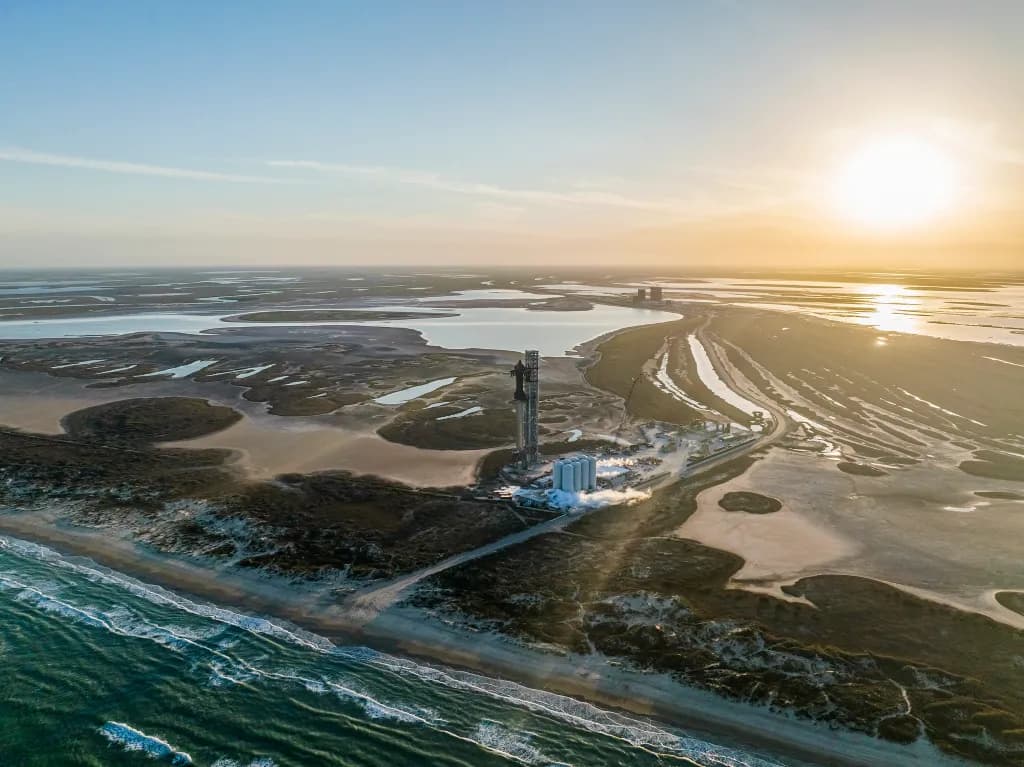
Starbase’s Shift to Local Policing and Court Centralizes Control at the Expense of Oversight
Thesis: By establishing its own police department and municipal court, Starbase is centralizing law enforcement and judicial authority in a 580-resident company town, prioritizing rapid corporate-aligned control over scale and independent oversight.
From County Services to a Local Force
In February 2026, Starbase’s city commission reviewed an ordinance to create a municipal court with a part-time judge, prosecutor and clerk, and filed an application with the Texas Commission on Law Enforcement (TCOLE) to form the Starbase Police Department. This marks a departure from reliance on Cameron County for patrols and jail facilities, shifting responsibility for 420 law-enforcement calls, 180 fire calls, 140 EMS calls and more than 353 crashes reported on Highway 4 in 2025 to a nascent, locally controlled force.
Timeline and Authority under Texas Rules
The ordinance names Mayor Bobby Peden—also a SpaceX vice president—as interim judge until the commission appoints a two-year judge, potentially as soon as the March meeting. Under the Texas Code of Judicial Conduct, judicial-independence safeguards require recusal in conflicts and adherence to open-records mandates, overseen by state judicial ethics bodies. TCOLE’s vetting process for new departments typically spans six months, during which training standards, certification and local policies are reviewed.

Operational Trade-Offs in a 580-Resident Budget
Starbase’s application highlights geography, peak traffic tied to SpaceX launches and tourism as drivers for “rapid and reliable” responses. A municipal force can offer dedicated patrols and faster dispatch but faces startup challenges: training, equipment purchases, retention hurdles and indemnity coverage. These fiscal risks may strain a 580-resident tax base, particularly while the city continues to pay the county for jail services during the transition.

Governance Risks and Corporate Overreach Concerns
Legal observers note that situating law-enforcement and judicial power within a town dominated by SpaceX—the primary employer and landowner—echoes historical company town conflicts. Questions around the mayor’s dual corporate and judicial role highlight potential for perceived bias in cases involving SpaceX operations. Observers are monitoring whether Texas judicial ethics bodies will enforce recusal rules and transparency requirements in municipal-court proceedings.
Service Demand Data and Evidence Gaps
The city cites specific 2025 service counts—420 law calls and 7,000 vehicles per day on Highway 4—as evidence that county coverage was stretched. Some local commentary suggests a broader crime uptick, but publicly documented calls focus on traffic and emergencies; additional crime-statistics data from county records or state repositories would clarify whether a surge beyond traffic incidents has occurred.

Stakeholder Responses and Diagnostic Options
- Civic leaders may call for an independent review of judicial appointments and conflict-of-interest policies to ensure transparency in the interim-judge selection process.
- Legal observers could advocate for a formal assessment by state judicial ethics bodies to test adherence to recusal and open-records rules where SpaceX interests intersect with court cases.
- County officials might propose a mutual-aid agreement specifying backup support and liability coverage to mitigate risks during the police department’s startup phase.
- Fiscal watchdogs are likely to seek an analysis of projected training, equipment and indemnity costs against Starbase’s narrow tax base to gauge long-term sustainability.
Comparative Context
Other modern company towns have faced the same choice: contracting regional sheriffs versus building local forces. Contracted services typically bring scale, backfill and established oversight, while municipal departments deliver rapid response and political control. Starbase’s decision favors speed and corporate alignment over economies of scale and independent checks.
What to Watch
- March 2026 city-commission meeting for a potential judge appointment and any public disclosures on conflict-of-interest reviews.
- TCOLE’s formal decision on Starbase’s police-department application and any conditions imposed on department structure or training timelines.
- Updates to emergency-call volumes, crash reports on Highway 4 and any publicly issued crime statistics to validate the operational demand case.
- Actions or guidance from Texas judicial ethics authorities concerning interim-judge recusal in cases touching SpaceX properties or employees.