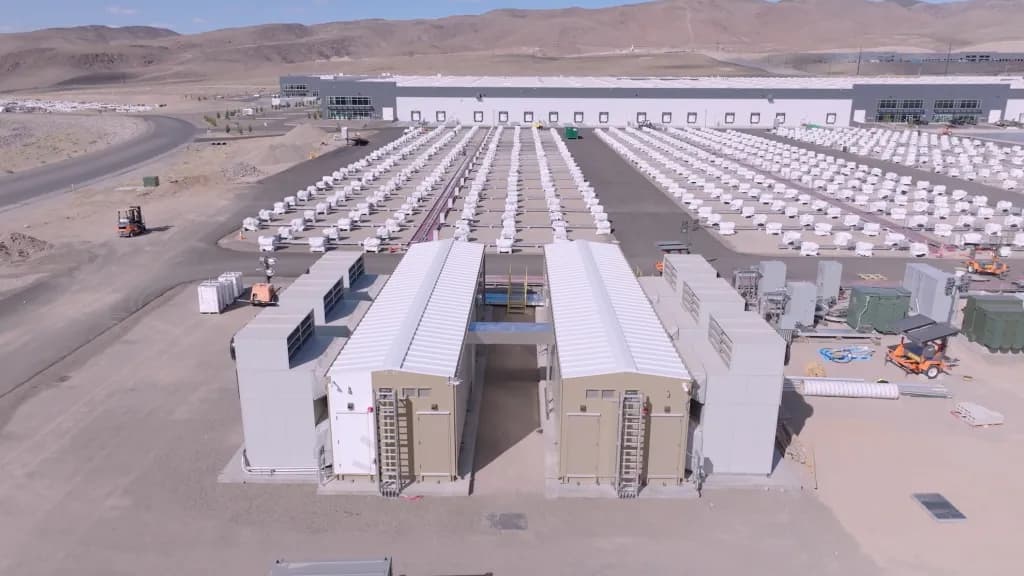
Executive summary – what changed and why it matters
Local opposition to the rapid expansion of AI data centers has crossed a threshold: grassroots protests and utility concerns are producing concrete legislative actions – from one‑year city moratoriums to a recently introduced three‑year statewide permit pause in New York. The shift matters because it directly affects where and how hyperscalers can site new capacity, risks delaying multibillion‑dollar buildouts, and forces operators to internalize grid and environmental costs previously externalized through tax breaks.
Key takeaways
- A New York bill would enact a three‑year pause on new data‑center permits statewide while studies assess environmental and economic impacts.
- Local moratoriums (New Orleans, Madison, and others) are proliferating; some regions are already rethinking tax incentives.
- Big tech plans to spend roughly $650 billion in capex over the next year (majority to data centers), raising urgency for siting decisions and grid upgrades.
- Public opinion is shifting – polls show growing opposition (e.g., 46% oppose local data centers in one survey) — which gives legislators political cover to act.
- Operational risks include permitting delays, tax rollback exposure, stricter environmental permitting, and reputational/legal challenges tied to “shadow grid” solutions.
Breaking down the announcement and immediate implications
The substantive change is political: community and state lawmakers are moving from complaints to policy. New York’s proposed three‑year moratorium would pause permit issuance to buy time for statewide studies on energy affordability, water use, local infrastructure, and pollution. Cities such as New Orleans have already issued one‑year building pauses; Madison, WI enacted similar restrictions after local pushback. These actions are not symbolic — they create legal pauses that delay projects, raise development costs, and change the calculus for site selection.
That matters commercially because Amazon, Google, Meta and Microsoft — the largest spenders — are planning massive capital deployments. If even a fraction of planned sites face multi‑year delays or lose tax incentives, companies will see increased per‑project costs, longer time‑to‑service, and more complex regulatory negotiations.

Concrete numbers and precedents
Publicly cited figures give texture: a recent analysis found roughly $6 billion in forfeited revenue from state tax breaks over five years in jurisdictions that offer sales or property exemptions to data centers. Polling cited in reporting shows 46% of respondents oppose local data‑center builds versus 35% in support in one survey — a narrow political majority that can shift local decisions. The reported $650 billion in capex by the largest tech firms underscores the scale of the competing forces.
Operationally risky precedents include xAI’s Memphis site, where on‑site methane turbines drew EPA intervention and local lawsuits over air pollution. That example illustrates how “shadow grid” strategies — private generation to avoid public grid strain — can solve one problem (reliability) while creating others (local pollution, permitting violations, litigation risk).

How this compares to the prior status quo
Until recently, state and local governments courted data centers with generous tax incentives and fast‑track approvals. The current trend flips that bargain: jurisdictions are pausing approvals, debating tax rollbacks, and demanding impact studies. Where incentives once lowered the cost of capital, new policies raise it or shift costs onto operators through mandated grid investments or community mitigation.
Risks and governance considerations
- Permitting risk: moratoriums create backlog and uncertainty for ongoing projects.
- Financial risk: repeal of tax exemptions could add hundreds of millions to project costs in major states.
- Regulatory risk: stricter air, water, and grid permitting on local levels increases compliance burden.
- Reputational/legal risk: local pollution or utility impacts invite lawsuits and community campaigns that can delay operations.
Recommendations — immediate steps for operators and policymakers
- For operators: suspend land‑lock commitments in highly contested counties; model scenarios where incentives are reduced or removed and build contingency budgets for grid upgrades and permitting delays.
- For operators: commit to measurable, verifiable mitigation — fund independent grid upgrades, deliver transparent emissions and water‑use reporting, and secure binding community benefit agreements before breaking ground.
- For policymakers: use moratoriums sparingly and tie any incentives to conditional requirements (local grid payments, pollution controls, job guarantees, clawbacks) and require independent impact studies with public input.
- For both: prioritize portfolio diversification — smaller regional sites, higher energy efficiency, and on‑site renewables plus storage to reduce grid strain and political exposure.
Bottom line: the political environment for AI data‑center expansion has shifted from permissive to contested. Companies planning large buildouts must treat local political risk, grid impacts, and environmental compliance as core operational risks, not peripheral PR issues. Policymakers should focus moratoriums and incentive changes on creating enforceable standards that protect communities while preserving reasonable paths for economic development.