One Thesis: AI Customs Tools Need Independent Benchmarks to Earn Trust
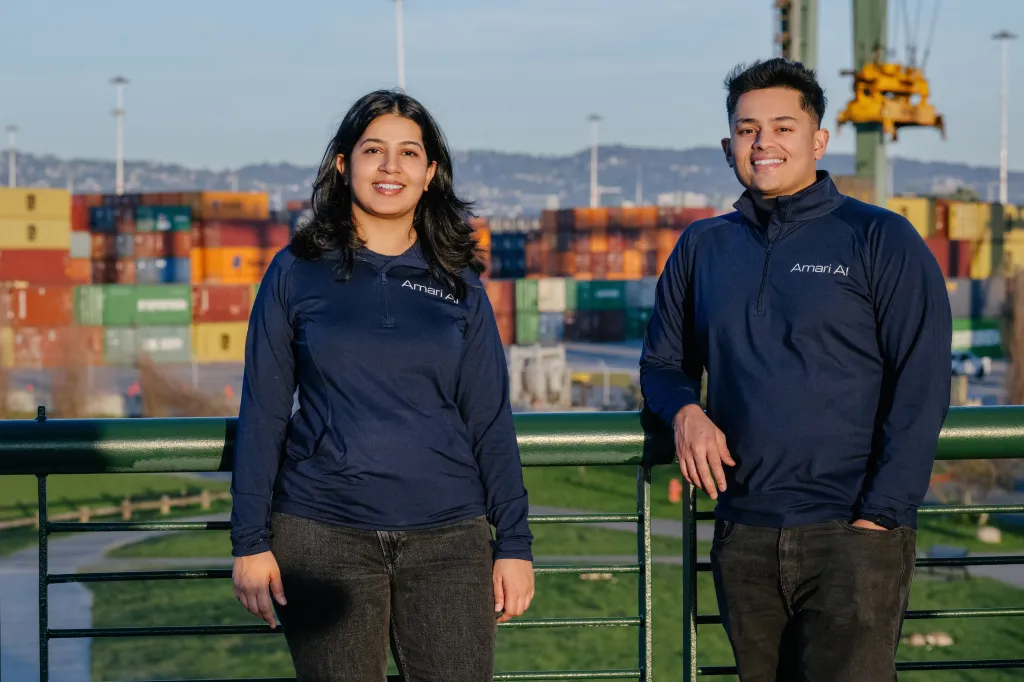
The debut of Amari AI’s customs compliance platform highlights a critical fault line in the emerging market for document-trained automation: without publicly reported, independent accuracy benchmarks or real-world enforcement case studies, buyers face a confidence gap that no vendor claim can bridge. While Amari says it has trained its models on over one million anonymized shipment documents and that it supports 30+ customers moving more than $15 billion in goods, the absence of third-party performance data raises human-stakes questions about liability, auditability and the shifting role of customs professionals.
Regulatory Churn Meets a Shrinking Workforce
Trade policy volatility and a tightly regulated customs workforce underpin the rush toward automation. A January 2026 Section 232 proclamation added 25 percent tariffs on certain AI chips, creating immediate reclassification demands. At the same time, licensing exam pass rates have been described in the low double digits and experienced brokers are retiring. Industry observers say that mismatch—between rising compliance complexity and a constrained pool of qualified staff—drives experiments with AI-powered drafting of CBP forms, HTS classification proposals and real-time rule monitoring.
How Amari’s Platform Works, According to the Company
- Amari says it blends off-the-shelf large language models with additional training on more than one million anonymized shipment records, CROSS rulings and sanction lists.
- The system automates drafts of CBP Forms 7501 and 3461, suggests Harmonized Tariff Schedule codes, and flags exposures under Section 301/232 by ingesting shipment paperwork and monitoring Federal Register notices.
- Clients can opt out of having their data included in future training; Amari says it anonymizes customer documents and does not sell data to third parties.
These product descriptions come entirely from company statements. No independent benchmark data has been published to corroborate accuracy claims versus legacy OCR-only systems or human classifications.
Competitive and Market Context
Incumbent workflows in customs compliance rely on a mix of optical character recognition, manual lookup of tariff schedules and broker expertise. Amari positions its retrieval-augmented approach as a step beyond brittle OCR extraction, promising fewer errors when pulling values from packing lists, invoices and certificates of origin. But without standardized benchmarks comparing document-trained AI against human performance—or third-party reviews—buyers cannot verify vendor assertions that error rates fall below industry norms.

Agentic AI progress in legal and compliance tasks, most notably in Mercor benchmarks where leading models have improved one-shot accuracy into the high 20s or low 30s percentiles, gives plausibility to Amari’s architecture. Yet those results are generic legal proxies, not hard measures of customs tariff classification under enforcement pressure.
Operational Realities and Current Limits
- Draft automation can reduce manual research time, but no pass-fail accuracy threshold has been independently tested on high-risk commodity lines.
- Amari says clients report more than $15 billion in goods processed through the platform workflows, yet transaction-level accuracy breakdowns are undisclosed.
- Model maintenance is required to keep pace with new Federal Register notices and policy proclamations; automation can flag exposures but cannot substitute expert legal judgment on novel tariff interpretations.
- Data governance practices—opt-out clauses, anonymization protocols and retention limits—are vendor-reported; public evidence of policy enforcement derived from AI-assisted filings remains anecdotal.
Risks Around Accuracy, Liability and Human Oversight
Misclassification of HTS codes or overlooked tariff exposures carries direct financial penalties. Brokers and importers remain ultimately responsible for correct filings, and common contractual practices reported in the market include audit‐right provisions, remediation credit clauses and defined human-in-the-loop checkpoints for high-value or sensitive trade lanes. But details on enforcement‐driven remediation—such as whether vendors have previously covered fines or supported protest filings—have not been disclosed.

The shift toward automation also redefines professional identities: experienced brokers may transition from form preparation to advisory roles, but that creates a retraining burden and short-term headcount disruption. In the absence of transparent performance data, decision‐makers wrestle with whether AI tools shift more risk to internal compliance teams or external partners.
Buyer Considerations Reported from Early Pilots
- Some early adopters have conducted limited‐scope pilots on low‐value SKUs or non-critical trade lanes to gauge time savings versus legacy workflows, according to industry conversations.
- Transparency demands have included requests for vendor‐provided accuracy metrics, documented human-in-the-loop workflows and sample audit logs, though independent verification remains rare.
- Contract negotiations have reportedly touched on data ownership, opt-out rights for training sets and deletion timelines, reflecting buyer concern over the handling of sensitive commercial information.
- Given the lack of published case studies, pilot teams are seeking evidence of real-world enforcement outcomes—such as successful tariff protests facilitated by AI-generated filings—but have found few public examples.
Outstanding Evidence Needs
- Published benchmarks comparing document-trained models to OCR-only systems and human classifications on HTS accuracy.
- Independent assessments of model drift when new trade rules or tariff codes are introduced.
- Real-world enforcement case studies that detail how AI-assisted filings fared in Customs and Border Protection audits or protest processes.
- Transparency around vendor remediation practices, including documented examples of misclassification credits or coverage of penalty fees.
Until these data points surface, the central limitation remains a trust gap between vendor claims and enforceable performance assurances. Buyers and brokers weighing document-trained AI must navigate a landscape where automation promises speed but leaves critical accuracy and liability questions unaddressed.

Long-Term Implications for Customs Compliance Workflows
Amari AI’s rollout exemplifies a broader trend: former Big Tech engineers applying large language models to narrow, high-value operational problems. The short-term appeal is clear—reduced document processing time and faster policy impact detection. Yet the human stakes run deeper. In a field where legal liability and financial penalties hinge on precise tariff classification, unverified vendor claims can erode professional agency and heighten organizational risk.
The long-term test will not be whether document-trained models can draft forms or flag rule changes—it will be whether they can withstand enforcement scrutiny and integrate into auditable compliance workflows. As AI continues to encroach on regulated domains, the customs sector’s response will likely set precedents for transparency, contract governance and the evolving role of human expertise.