The Super Early Bird deadline for TechCrunch Disrupt 2026 materially restructures companies’ planning horizons by front-loading budget commitments, narrowing travel options, and compressing lead time for deal-discovery planning.
Event overview
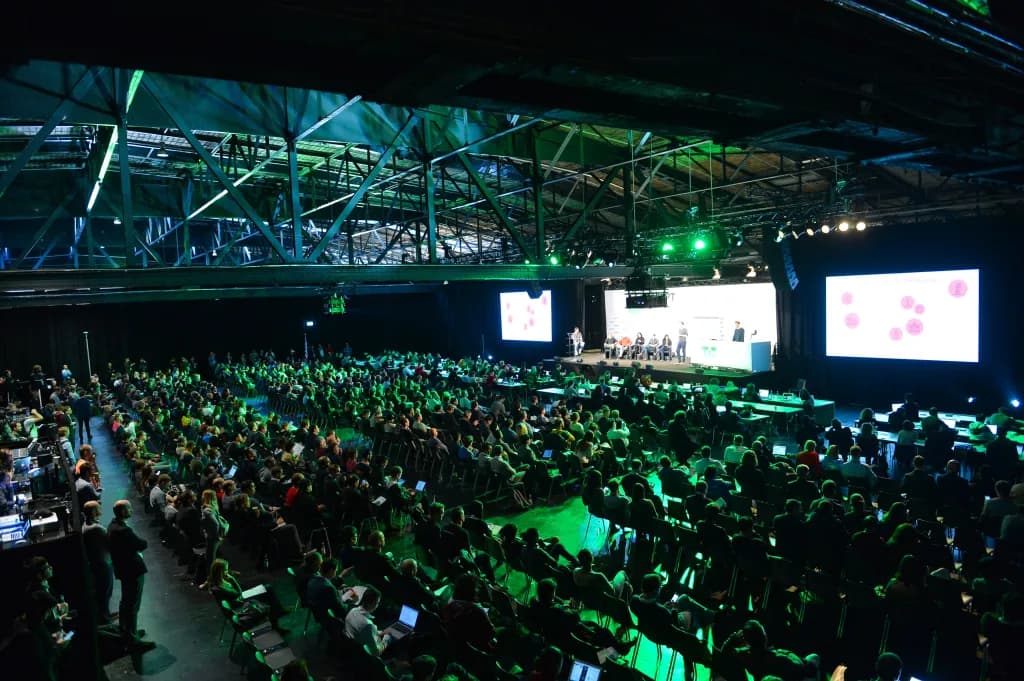
TechCrunch Disrupt 2026 is scheduled for October 13–15 at Moscone West in San Francisco, with organizers planning “Disrupt Week” side events from October 11–17 across the Bay Area. According to organizer-published figures, the main conference will feature an Expo Hall showcasing over 300 startup booths, a Startup Battlefield 200 competition with a $100,000 equity-free prize, and a matchmaking platform advertised to facilitate more than 20,000 one-on-one and small-group meetings. The preliminary agenda lists main-stage keynotes, breakout panels on funding and scaling, and specialized sessions on topics such as AI ethics and sustainability, although the final roster remains subject to change.

Pricing structure and published figures
Organizers have set a Super Early Bird deadline of February 27 at 11:59 p.m. PT, after which all ticket rates move to a higher published tier. Promotional materials claim savings of up to $680 on individual passes and discounts up to 30% on community passes for groups of four or more. The event offers at least two distinct pass categories: the Founder Pass, described in organizer documentation as including investor networking sessions, Deal Flow Café events, and curated speaker Q&As and the Investor Pass, which adds algorithm-driven matchmaking tools and dedicated startup briefings. These numbers reflect organizer-provided projections and should inform planning assumptions rather than be treated as fixed guarantees.
Budget and logistical trade-offs
The advertised maximum per-pass saving of $680 can constitute a sizeable fraction of a small team’s overall travel budget, especially when combined with hotel costs and ancillary fees. For many organizations, the timing of the February cutoff aligns with Q2 budget approvals, meaning that missing the Super Early Bird window may push registration costs into a tighter fiscal slot. Industry observers note that discounted room blocks at Moscone-adjacent hotels often sell out around early-bird deadlines, while flight capacity on key West Coast corridors can diminish as the conference approaches. Legal and security assessments for demo equipment typically require lead times of several weeks, amplifying the consequences of deferred registration on cross-functional planning.

Deal-discovery planning
The event’s advertised 20,000+ curated meetings hinge on attendee engagement with the matchmaking platform. Early registrants generally report broader calendar availability and faster confirmation cycles, whereas latecomers risk more limited slot options. Organizer estimates do not distinguish between one-off coffee chats and structured pitch sessions, so the actual distribution of high-value interactions may skew toward front-loaded registrants. Moreover, the incomplete speaker and sponsor list in promotional materials introduces uncertainty: the timing and caliber of marquee announcements will be decisive for deal-making ROI but are often released after rate increases have already occurred.

Competitive context
Within the spectrum of leading tech conferences, TechCrunch Disrupt occupies a niche defined by early-stage fundraising and swift product launches. Organizers claim attendance surpassing 10,000 founders, operators, and investors, numbers that position Disrupt between scale-focused events like SaaStr Annual and higher-volume gatherings such as Web Summit, which draws well over 70,000 participants. Collision and other regional forums provide broader thematic diversity but lack Disrupt’s signature Battlefield format. TechCrunch’s own Founder Summit in Boston, slated for spring, targets growth-stage executives with roundtables and deep dives rather than mass matchmaking, illustrating the parent brand’s segmentation strategy.
Signals to watch
- Post-deadline ticket schedules: monitor the published transition from Super Early Bird to standard Early Bird and beyond to assess budget impacts.
- Speaker and sponsor announcements: track rollouts for marquee names and partner brands, as their profiles can materially shift deal-flow potential.
- Community feedback: observe independent reviews and sentiment in industry forums and social channels once registration moves into higher tiers.
- Travel logistics updates: watch for hotel block releases and airline route adjustments that reflect shifting demand patterns.