Executive summary
Thesis: A new stack combining AI-powered public dashboards with integrated prediction markets has transformed how the public consumes and interprets live conflict information.
This shift matters because these tools aggregate open data, AI-generated summaries and real-time betting into a single interface—speeding up public sense-making while amplifying unverified signals, manipulated imagery and incentives for market manipulation.
- Impact: Reporting threads and market audits indicate millions of trades and hundreds of millions in wagers on Iran-related outcomes.
- Quality gap: Rapid synthesis via dashboards often lacks the provenance and expert vetting that intelligence agencies or seasoned journalists traditionally provide.
- Governance risk: Observers note clusters of suspicious bets, large single-account profits and insider-trading probes, raising national security and regulatory concerns.
Stack overview: how the change unfolded
Three trends have converged into a self-service intelligence environment open to any user with basic coding skills and a crypto wallet:
- Low-friction AI tooling: Off-the-shelf models and dashboard frameworks allow small teams to deploy live conflict monitors in days.
- Automated summaries: Chat-style model outputs substitute for domain expertise, offering plausible narratives without authoritative sourcing.
- Integrated betting: Prediction markets tie financial incentives directly to emerging signals, creating both discovery and gaming pressures.
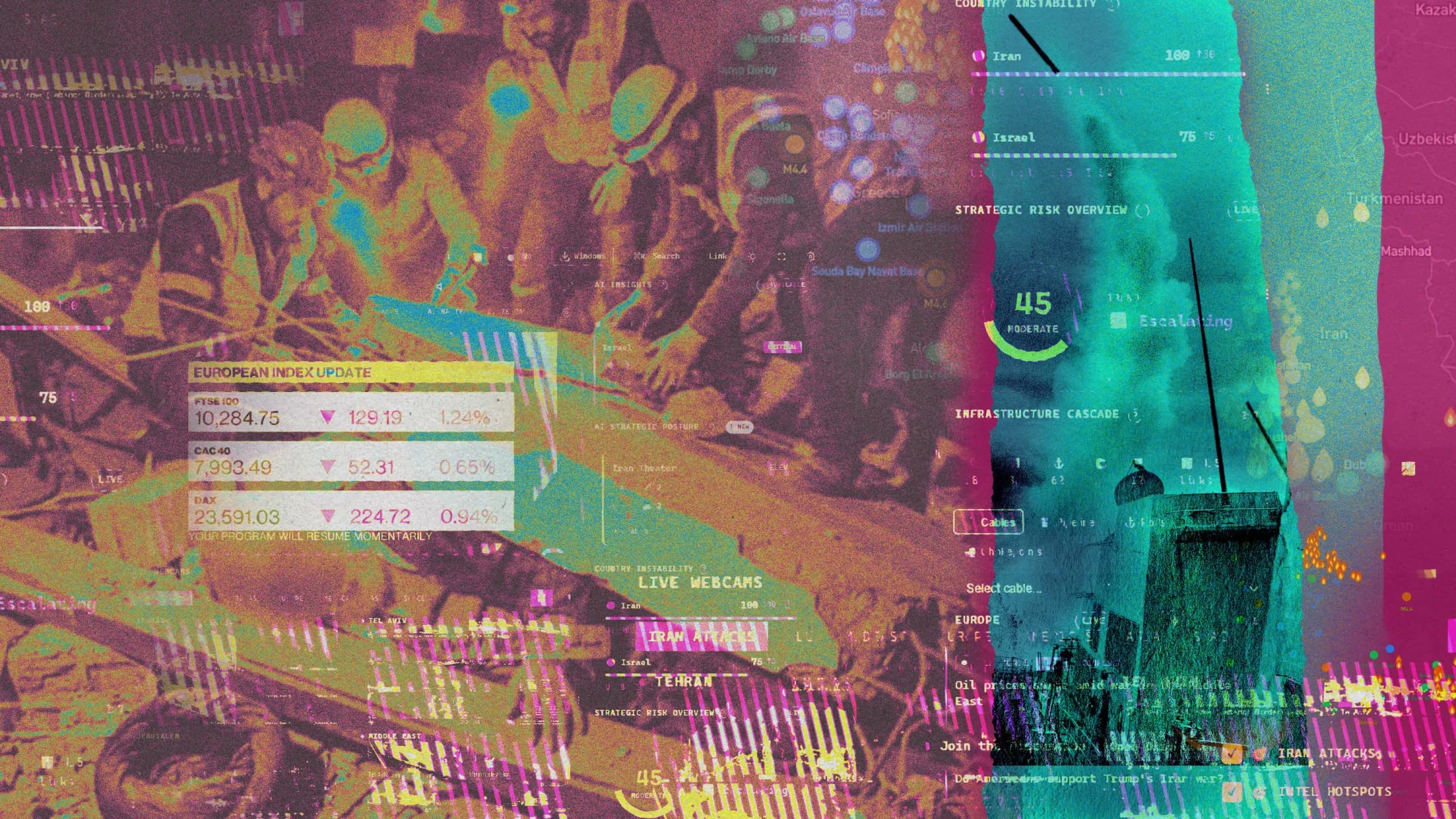
The result is a proliferation of public dashboards that stream satellite tracks, open-source feeds and live odds into a single pane—effectively gamifying real-time conflict awareness.

Why now
Observers suggest three catalysts have set the stage:
- Democratized AI: Readily available compute and pretrained models lower the bar for OSINT projects.
- Military AI publicity: Media coverage of AI pilots in defense contexts lends perceived legitimacy to public-facing intelligence apps.
- High-stakes events: The US-Israel strikes on Iran created an acute demand for minute-by-minute updates, driving audience adoption of real-time tools.
Together, these factors have encouraged hobbyist analysts and developers to replicate workflows once confined to specialized intelligence units.
Evidence strengths and blind spots
Strong signals: Market audits and reporting threads document rapid volume growth on platforms like Polymarket and Kalshi, with individual contracts drawing multi-million-dollar bets. Clustering analyses flag wallets that appear to time bets around scheduled strikes.
Uncertain elements: Many dashboards lack public roadmaps, data-provenance logs or third-party audits. Independent searches found few developer statements or technical benchmarks, leaving open questions about underlying data fidelity and model accuracy.
A parallel concern is content authenticity: third-party investigators report upticks in AI-generated satellite imagery circulating under the guise of genuine intel, eroding trust in one of the few highly credible signal types.
Stakeholder impacts
The stack reshapes agency and risk across several groups:
- Hobbyist analysts and journalists: Gain faster access to raw signals and novel angles, but also inherit the risk of amplifying errors beyond traditional gatekeepers.
- Speculative traders: Benefit from immediate odds on political and military events, yet face heightened scrutiny over potential insider information leaks.
- Bad actors: May exploit the same channels to seed disinformation or launder insider tips into price movements.
- The public sphere: Completes a feedback loop where audiences both consume and finance intelligence narratives, blurring the line between reporting and gambling.
Governance implications
Pressure is mounting on regulators and platform operators to address emerging risks. Possible policy responses include:
- Regulatory probes: Lawmakers are debating hearings and oversight of war-related betting markets amid national security concerns.
- Disclosure standards: Calls are growing for data-provenance requirements and third-party audits of public dashboards to boost traceability.
- Platform liability debates: Stakeholders in media and technology spaces face questions about the extent of responsibility for manipulated content circulating on their services.
Absent clear rules, this nascent ecosystem is likely to attract further scrutiny as incidents of suspicious betting or amplified false signals continue.
Conclusion
The fusion of AI-driven dashboards and prediction markets has reconfigured public intelligence dynamics, trading traditional curation for speed and financial incentives. While this stack unlocks new pathways for open-source analysis, it also magnifies distortions and governance gaps—making it a focal point for scrutiny by security agencies, regulators and platform stewards alike.