Executive summary — reconceptualizing smartphones as camera hardware platforms
Xiaomi’s launch of the 17 Ultra ahead of MWC 2026 represents a deliberate strategic pivot: recasting flagship phones away from purely sensor-and-software differentiation toward a modular photography platform that fuses Leica optical hardware, physical camera controls, and a paid accessory ecosystem. The €1,499 base pricing (rising to €1,999 for the 1 TB Leica edition) signals an intention to capture premium margins and redefine the smartphone’s role in creator workflows—transforming devices into attachable-camera systems rather than standalone computational cameras.
Structural shift in smartphone positioning
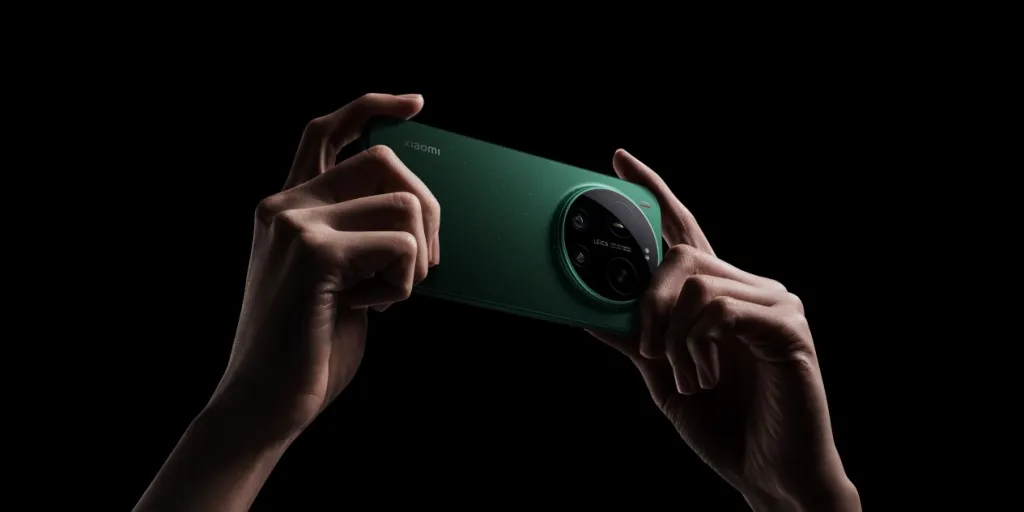
The core thesis is straightforward: by packaging one-inch 50 MP main sensors, a 200 MP periscope zoom (75–100 mm equivalent), dedicated physical grips, and Leica-tuned software as a unified offering, Xiaomi is repositioning the smartphone from a general-purpose device to a specialized photography tool. This marks a departure from recent industry trends that have prioritized in-app computational photography over customizable ergonomics. The Xiaomi 17 Ultra’s global variant pares the battery back to 6,000 mAh (from 6,800 mAh in China) yet retains 90 W wired and 50 W wireless charging, indicating a trade-off between raw cell capacity and form-factor slimness to accommodate snap-on grips.
At the sensor level, Xiaomi’s switch from the Sony LYT-900 (in the 16 Ultra) to OmniVision’s OV50X 50 MP main camera emphasizes dynamic range and high-dynamic-range (HDR) capabilities via LOFIC HDR. The 200 MP periscope telephoto module—co-designed with Leica to minimize chromatic aberration—offers a 3.2×–4.3× true optical zoom range, countering competitors that extend zoom via hybrid or digital means. This hardware-first orientation, punctuated by physical shutter buttons and zoom rings, asserts an identity shift: the smartphone is now positioned as an interchangeable-lens camera analogue rather than a compact all-in-one.
Accessory ecosystem as strategic lever
The announced Photography Kit (€99.99) and Pro Kit (€199.99) introduce a rare physical-accessory play at the high end of the market. Each kit connects over USB-C, adding two-stage shutter buttons, video record triggers, and in the Pro Kit’s case a detachable leather-finished grip with a 2,000 mAh battery. This accessory-centric model raises questions about ecosystem lock-in: accessory pricing materially increases total cost of ownership, potentially shaping long-term loyalty among photography enthusiasts who value tactile controls. By extending beyond silicone cases and lens attachments to integrated battery grips, Xiaomi is tapping into a segment historically served by mirrorless and DSLR ecosystems—where modularity and aftermarket hardware form a substantial revenue stream.

Unverified reports of a Find-My-compatible tracking tag and a 6 mm, 5,000 mAh magnetic power bank suggest an even broader accessory vision, though confirmation remains pending on Xiaomi’s global channels. The packaging of such accessories underscores a strategy to transform a one-time hardware sale into an ongoing relationship, with each add-on extending creative possibilities and revenue potential—but also layering on complexity, logistics, and regulatory questions around battery transport and privacy.
Pricing uplifts and premium margin pursuit
In EU/UK markets, Xiaomi’s tiered pricing—€999 for the standard 17, €1,499 for the 17 Ultra, and €1,999 for the 1 TB Leica edition—places it squarely in the premium segment alongside Apple and Samsung. This elevation reflects an ecosystem-first mentality: the device’s base price covers only the bare-bones hardware, while camera functionality and extended battery life emerge through paid attachments. Such a model raises trade-offs in total cost of ownership calculations, given that add-on kits can push the package north of €1,700.

By setting flagship pricing near Apple’s entry, Xiaomi signals confidence in Leica branding to justify elevated price tiers. The Leica edition’s 1 TB storage and exclusive finish feed into an identity play, targeting creators who equate high-end hardware with professional credibility. Yet this premium posture also invites comparison with iPhone’s cohesive ecosystem, which leans heavily on software integration and service synergies rather than physical modularity.
Human stakes and identity dynamics
The shift toward hardware-first, accessory-driven phones reframes the user’s relationship with their device: it becomes a platform for creative agency rather than a one-size-fits-all tool. Photography enthusiasts may find that physical shutter controls, dedicated zoom rings, and tailored Leica modes enhance the sense of authorship and mastery. Conversely, the added weight, design complexity, and cost of modular grips could alienate users who prize simplicity and seamless integration.
This identity realignment carries broader implications for how individuals project professionalism and creativity. In a world where social media aesthetics and content creation confer social capital, owning a phone that visually and functionally resembles a pro-grade camera can shift perception and personal branding. However, the ruggedness of physical accessories and their fit into existing workflows remain open questions—particularly for those accustomed to software-only enhancements.

Implications for stakeholders
- Product leaders and hardware strategists: The 6,000 mAh EU battery versus China’s 6,800 mAh cell raises questions about the thermal and longevity trade-offs of slimmed-down form factors. This battery design choice may affect sustained performance under heavy camera workloads and, by extension, user satisfaction and brand perception.
- Procurement and finance teams: Accessory pricing materially increases total cost of ownership—€99.99 and €199.99 kits substantially raise the break-even point for creator-focused deployments. Evaluating return on investment will hinge on volumes of add-on purchases and anticipated upgrade cycles tied to accessory compatibility.
- Creative professionals and content creators: The alignment with Leica optics and native-like camera controls reframes the smartphone as a modular pro tool. Yet the lack of independent image benchmarks and ergonomic trials leaves open questions about real-world dynamic range, zoom clarity, and handling fatigue over extended shoots.
- Security, privacy, and compliance officers: The unverified Find-My-compatible tag and magnetic power bank introduce uncertainties around data privacy protocols, cross-platform integration, and battery transport regulations. Clarity on certification standards and firmware openness will be key to assessing potential risks.
Risks, uncertainties, and open questions
Several pivotal elements remain provisional pending independent testing and official spec confirmations. Real-world battery life metrics for the 6,000 mAh EU model—and its thermal throttling behavior under continuous camera use—are untested. The purported Find-My-compatible tag and slim magnetic power bank lack verification from Xiaomi’s global site, leaving scope and functionality in doubt. Moreover, Leica co-branding raises expectations of optical parity with standalone Leica lenses, but branding alone does not guarantee equivalent performance without transparent lens specifications and third-party imaging analyses.
Conclusion
Xiaomi’s 17 Ultra launch marks a decisive move to recast smartphones as modular photography platforms, merging Leica-grade optics with a paid accessory ecosystem to pursue premium margins. This strategy shifts the device’s identity toward specialized hardware, diverging from recent software-centric industry trends. Its success will hinge on forthcoming independent camera benchmarks, battery and thermal performance validations, and the perceived value of physical controls within creator communities. As Xiaomi tests the waters of hardware-plus-accessory revenues, the broader industry will watch to see whether this modular approach redefines user expectations—or simply adds complexity to an already crowded smartphone market.