What changed and why it matters
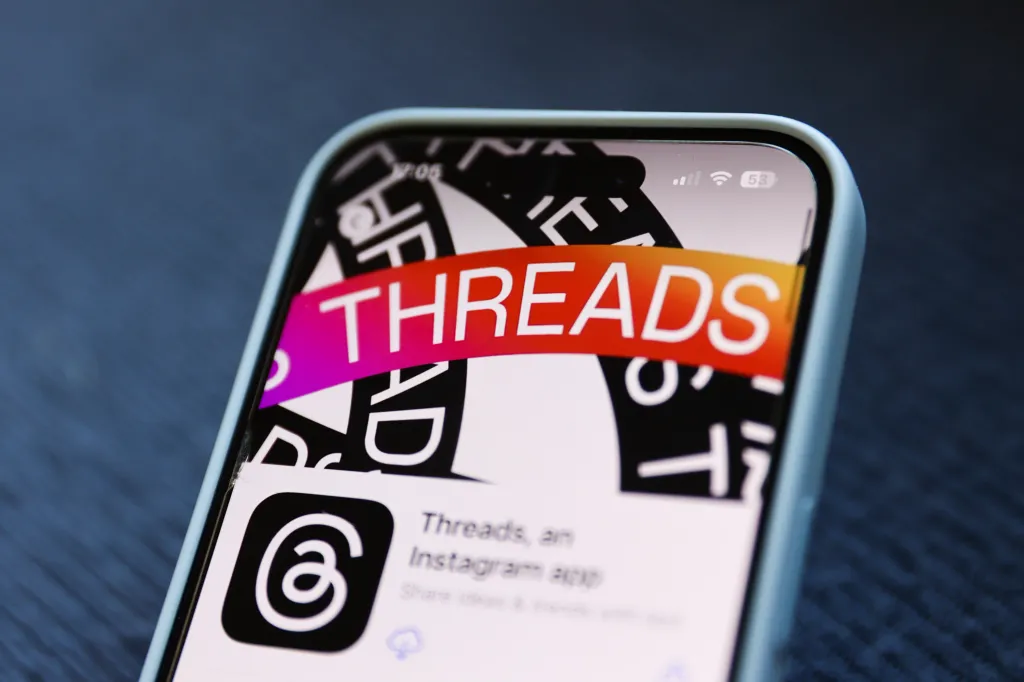
Threads is testing an auto-link shortcut that transforms the phrases “DM me” or “Message me” in a post or reply into a tappable hyperlink. When tapped, the link bypasses profile navigation entirely and opens the direct message composer to the target account. The system preserves existing anti-spam guardrails by routing messages from mutual followers into the primary inbox, while non-mutual contacts are sent to Message Requests. This limited trial is active for select iOS and Android users in the U.S. and Canada, with no announced timeline for wider rollout.
Thesis: Auto-linking “DM me” shortcuts drastically lowers friction for users starting private conversations while shifting moderation, privacy, and compliance burdens onto platform operators.
Feature mechanics
At its core, the feature recognizes the strings “DM me” or “Message me” in the body of a public post or reply and converts that text into an embedded anchor element. A single tap on that anchor opens Threads’ direct message composer aimed at the original poster, eliminating the multi-step flow of navigating to a profile, tapping a message button, and composing a new chat.
Behind the scenes, Threads leverages existing follow-relationship metadata to determine inbox placement: if both accounts follow each other, the incoming message lands in the recipient’s primary inbox; if not, it routes to Message Requests. By mirroring the established routing logic for other DM paths, the change preserves basic spam-mitigation boundaries even as it shortcuts the entry point.
This design choice—bypassing profile navigation while reusing current routing rules—directly underpins the downstream operational shifts. Less friction for the sender drives higher DM initiation rates, and the placement logic dictates how much new volume lands under automated filters or human review.

Market context
Messaging has become a central battleground among social platforms seeking to deepen user engagement. Threads launched its native DM capability later than rivals like X, Instagram, WhatsApp, and Telegram, and has since doubled down on experiments to lock in users through private interactions. Similarweb data from early 2026 places Threads at approximately 141.5 million daily mobile users—surpassing X’s mobile numbers—fueling Meta’s urgency to tilt public engagement into one-on-one conversations.
Concurrent Threads updates illustrate this strategic thrust: AI-driven feed personalization to boost session depth; integration of Instagram Story sharing to broaden content distribution; and prototypes of in-message games to increase stickiness within chats. The auto-link “DM me” shortcut represents the next iteration—streamlining public-to-private handoffs and encouraging moment-based coordination without disrupting the feed experience.
From a competitive standpoint, other apps generally surface message buttons on profiles or embed static badges within post headers. Threads’ contextual linking of conversational text is a departure that prioritizes organic flows over explicit UI chrome, signaling Meta’s intent to embed messaging more fluidly into social interactions.

Operational impacts
Moderation load
By reducing the steps required to initiate a direct conversation, the auto-link feature could drive a significant uptick in DM attempts. Although Message Requests still intercept messages from non-mutual followers, higher overall attempt rates may exceed the capacity of existing automated filters, which were calibrated to legacy DM volumes. Increased false positives or negatives in spam classification could translate into backlogs for human reviewers or unchecked harassment in primary inboxes.
Privacy and compliance
Embedding a direct-message trigger within public posts may shift user expectations around consent and privacy. Some recipients might assume that replying to a “DM me” link implies an immediate one-on-one interaction without explicit agreement. Moreover, if operators log, retain, or profile those auto-linked messages—especially across borders—it could raise compliance questions under frameworks such as GDPR or other data-protection regimes. The routing and any retention policies for these messages may come under scrutiny if regulators view the shortcut as a new form of consent capture or data processing.
Measurement and fraud
Analytics and advertising teams rely on defined conversion events—profile visits, link clicks, ad interactions—to evaluate campaign performance. Auto-link DM triggers blur these categories: a single tap both navigates and initiates a private chat, making it unclear whether the event should be logged as a conversion, engagement, or a hybrid. At the same time, bad-actor scripts could automate “DM me” scans and tapping routines at scale to inflate engagement metrics or launch phishing attempts, requiring revised fraud-detection thresholds.

Platform integrity
Rapid changes in inbound message volume can stress rate-limiting and identity-verification systems. If the shortcut is weaponized for mass messaging, operators may need to adjust scoring models that flag high-risk accounts or introduce new friction for first-contact interactions. The balance between preserving a seamless user experience and preventing malicious exploitation depends directly on the simplicity of the link mechanic and the underlying routing logic.
Implications
- Implication for Product teams: The auto-link conversion combined with follow-based routing underscores the need to monitor DM initiation flow metrics and anticipate peaks that diverge from historical patterns.
- Implication for Trust & Safety teams: Simplified triggers may shift the volume and distribution of reported messages, requiring recalibration of automated filters and human-review workflows aligned with the new routing rules.
- Implication for Legal & Privacy teams: The introduction of hyperlink-based DM consent flows could prompt a review of message retention, cross-border data transfer, and disclosure policies under applicable privacy regulations.
- Implication for Advertisers and Analytics teams: Blended engagement events from auto-linked DMs may necessitate new attribution models and fraud-detection criteria to preserve measurement accuracy.
What to watch next
Signals to track in the coming weeks include any Threads developer documentation or changelog entries that detail expanded rollout plans or configuration options for auto-linked DM triggers. Early user feedback from U.S. and Canada testers—via forums, social posts, or support tickets—can reveal friction points or abuse patterns that escape internal telemetry. Competitor platforms may respond with their own streamlined message shortcuts or rate-limiting enhancements if the feature proves to shift engagement dynamics.
On the metrics front, the critical indicators will be changes in DM initiation rate, Message Requests volume, moderation false-positive/negative trends, and any downstream impact on session length or monetization signals. Finally, privacy regulators in other jurisdictions may take note of how Threads implements consent and data processing for messages spawned from public content, which could inform future policy guidance.