Executive summary – what changed and why it matters
The one-week Super Early Bird window for Disrupt 2026 crystallizes budget governance and operational trade-offs, turning ticket procurement into a strategic signal for participation and planning agility.
Key takeaways
- Deadline urgency: Super Early Bird pricing ends Feb 27, 11:59 p.m. PT.
- Maximum savings: up to $680 on individual passes (relative to standard pricing) and up to 30% on group blocks (depending on block size).
- Event scale: ~10,000 attendees, 300+ exhibiting startups, and the Startup Battlefield 200 ($100K equity-free prize).
- Budget cycles: one-week window aligns or conflicts with procurement and travel approval cadences.
- Operational caveats: tickets are only one cost element—travel, lodging, booth fees and staffing remain gating factors.
Breaking down the announcement
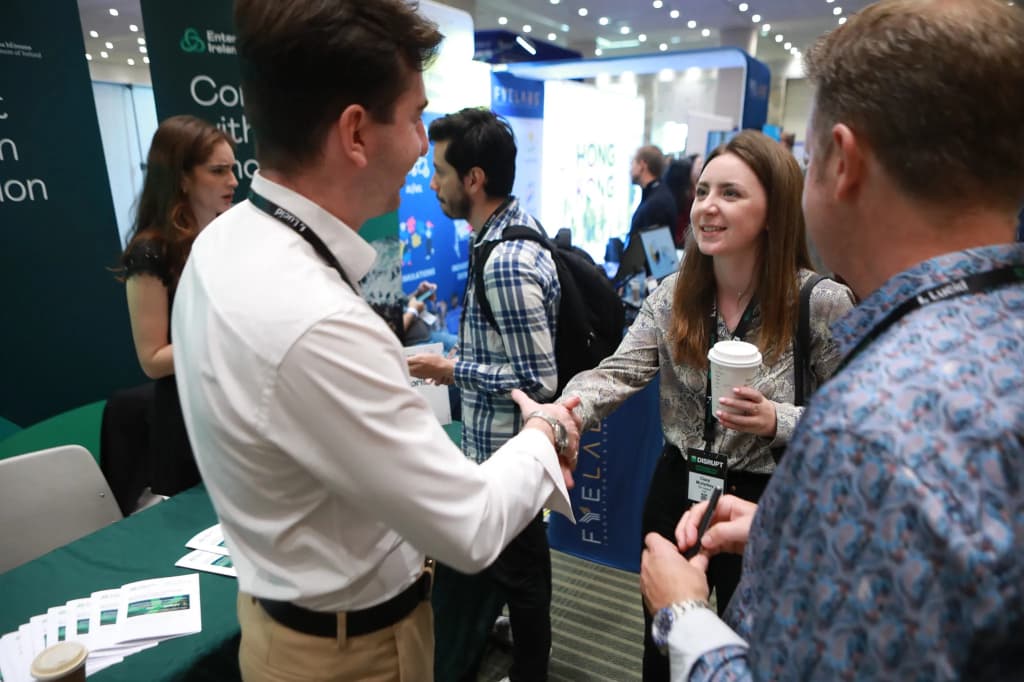
TechCrunch’s Super Early Bird tier closes Feb 27, offering the deepest discount before tickets shift to Early Bird and then Standard rates. The headline savings—up to $680 per individual pass and up to 30% on group blocks—represent maximum figures that vary by pass level and block size. The core value proposition is price certainty against anticipated increases, set against the backdrop of Oct 13–15, 2026 at Moscone West, San Francisco, where discovery, visibility and networking converge for founders, investors and operators.
Why now – the interplay of procurement and planning
Departmental budgets and travel approvals often reset on monthly or quarterly cycles. The one-week Super Early Bird window can either align with those cadences to lock in savings or collide with governance deadlines, forcing teams to reprioritize spend. For purchasing departments, securing tickets now trades price risk for the certainty of a booked line item; for product and business-development leaders, it shifts the decision from “if” to “how many,” even as headcount allocations and travel authorizations remain unresolved.

Quantifying the savings – scope and variation
The headline “up to $680” on individual passes assumes the difference between Super Early Bird and standard pricing; smaller tiers see proportionally lower discounts. Group blocks deliver as much as 30% off per head when purchased in the largest community bundles, but medium-sized blocks may see savings closer to 15–20%. In practice, tickets constitute a fraction of total cost—the bulk of spend goes to travel, lodging and, if exhibiting, booth infrastructure and logistics.

Competitive context – where Disrupt fits
Within the landscape of startup-focused gatherings—from Web Summit and Collision to regional tech expos—Disrupt’s distinctive traits are scale, media amplification and the Battlefield’s PR draw. Organizations more focused on specialized technical tracks or sector-specific deep dives may find higher signal-to-noise ratios elsewhere; those prioritizing early-stage deal flow, brand visibility and broad networking will view Disrupt’s high-velocity environment as uniquely conducive to opportunity.
Risks, caveats and governance considerations
Early purchase secures the lowest rate but does not mitigate downstream uncertainties. Refund and transfer policies vary by pass type and often include fees; unapproved travel or legal hold-ups can leave teams holding non-refundable tickets. Additionally, booth fees, shipping costs and staffing continuity introduce further complexity. Governance frameworks that tie event spend to measurable ROI—leads generated, strategic partnerships forged or press coverage secured—shape the net value of early procurement.

Stakeholder implications
- For finance and procurement teams, locking in Super Early Bird rates shifts risk from price volatility to operational contingencies, offering predictable ledger entries but exposing unconfirmed travel logistics.
- For startup founders targeting the Battlefield track, early registration secures the right to apply and reduces cash-burn uncertainty, though funding schedules and product readiness may still constrain participation.
- For business-development and partnerships leaders, reserving passes now safeguards headcount for high-value meetings, while the compressed window may compress pre-event outreach timelines.
- For undecided stakeholders, the short window forces a trade-off between cost certainty and flexibility—limited cancellation options can convert FOMO into a financial liability without aligned internal approvals.
Bottom line
The one-week Super Early Bird period for Disrupt 2026 transforms ticketing into a decision node that reflects broader budget governance and operational risk appetites. While the steepest discounts provide immediate cost relief, the real trade-offs lie in aligning approval cycles, travel logistics and strategic objectives under tight timing constraints.