Executive summary
iOS 26.4’s public beta redefines iPhone agency through AI-curated media and security defaults. By embedding text-prompted playlist curation, HLS video support in Podcasts, and beta tests of end-to-end encrypted RCS, alongside default-on Stolen Device Protection, Apple is shifting the balance of power in content creation, distribution, and user privacy. The beta is available now, and Apple indicates a broad public release is likely in March or April 2026, prompting early validation of interoperability, model locality, and user experience trade-offs across stakeholders.
- Timing: Public beta available immediately; Apple estimates a full release in March or April 2026.
- Scope: AI-driven music curation, adaptive video in Podcasts with ad insertion, secure RCS messaging, in-car media enhancements, and tightened device security defaults.
Key observations for operators and product leaders
- Playlist Playground’s 25-song output and cover-art refinement controls raise questions about on-device versus cloud compute and potential impacts on data governance.
- HLS video in Podcasts introduces seamless audio-video toggling and offline downloads, suggesting new monetization paths but also requiring scrutiny of ad-privacy measurement under adaptive streaming.
- RCS end-to-end encryption appears limited to iPhone-to-iPhone when iMessage is disabled; full cross-platform security depends on carrier support and Android implementations.
- Default-on Stolen Device Protection increases biometric gating for sensitive actions, improving theft resilience at the possible cost of added friction in SSO and recovery workflows.
- CarPlay’s parked-only video playback and third-party AI assistant access expand in-car UX, spotlighting data handling and consent within automotive environments.
Feature deep dive
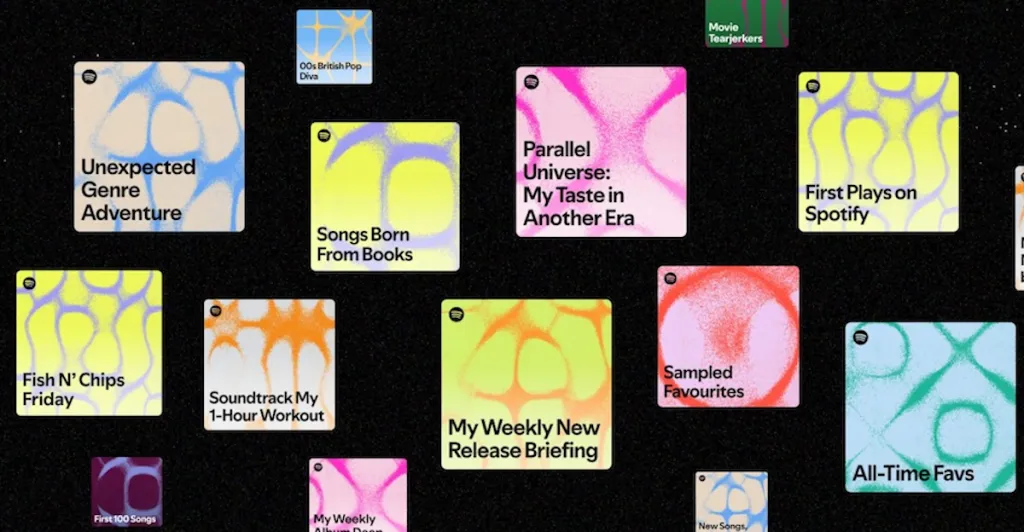
Playlist Playground: According to Apple’s beta notes, a text prompt now produces a 25-song list with full-screen artwork and iterative refinement controls. This native AI curation could shift playlist ownership dynamics between users, creators, and rights holders, while raising interoperability questions around DRM and metadata consistency.
Podcasts HLS video: The beta supports HTTP Live Streaming video episodes from partner platforms (Acast, ART19, Omny Studio, SiriusXM). Listeners may switch between audio and video in real time and download content offline. Apple indicates participating ad networks are expected to adopt impression-based video models later this year, which may alter publisher revenue shares and measurement approaches.
RCS end-to-end encryption: Early tests display a lock icon on encrypted RCS threads when iMessage is off, limited to iPhone-to-iPhone. Apple frames this as a step toward cross-platform parity, yet carrier readiness and Android vendor uptake will determine whether secure messaging achieves broader reach.

Security defaults: Stolen Device Protection now activates by default, elevating biometric requirements for actions like erasing or restoring a device. While this default reduces unauthorized access risks, it may surface compatibility issues with certain MDM profiles and emergency access protocols.
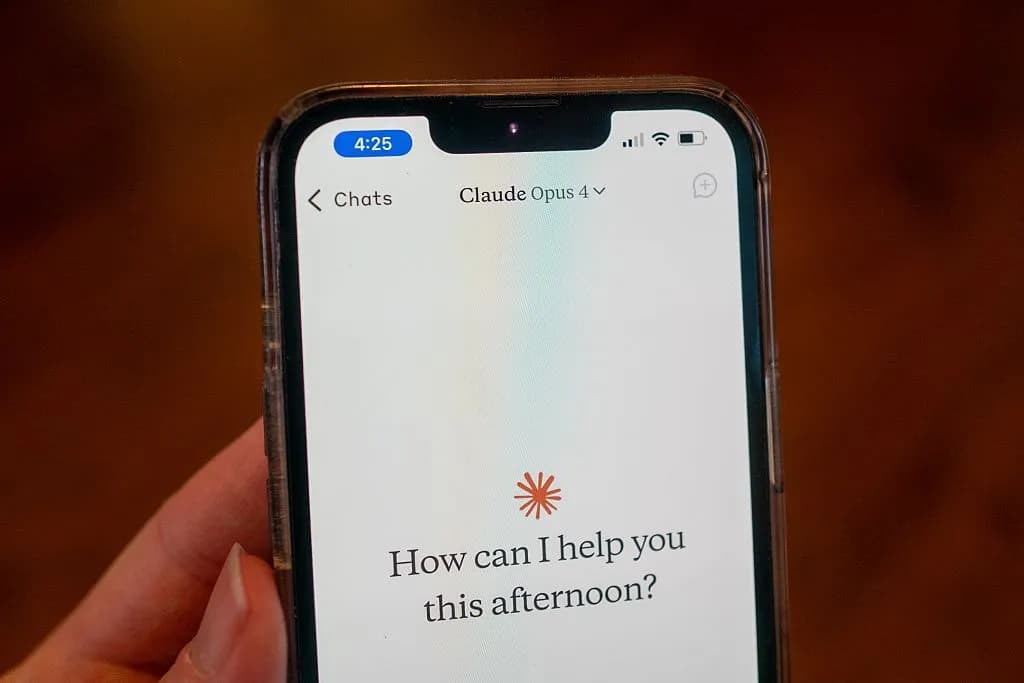
CarPlay and AI assistants: Video playback when parked and integrations with OpenAI, Google Gemini, and Anthropic assistants signal a move to decentralize voice interfaces beyond Siri. This raises governance questions around third-party data capture, on-vehicle processing, and user consent flows.

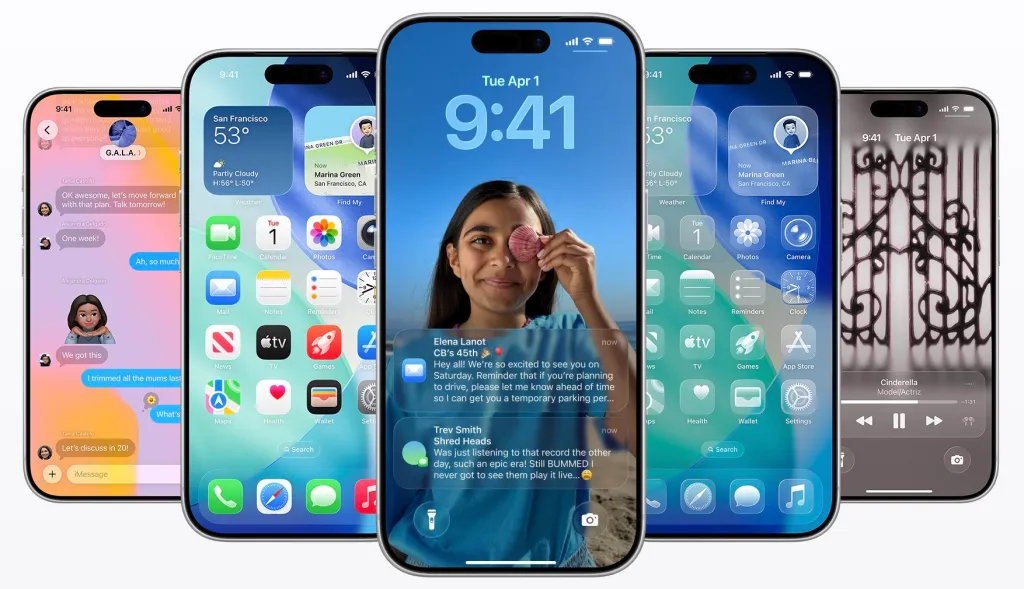
Camera Audio Zoom and UI tweaks: The Camera app’s microphone focus shifts in tandem with optical zoom, and new widgets surface Ambient Music and an “Urgent” reminder category—subtle changes that may affect habitual user behaviors and accessibility workflows.
Why this matters now
Apple’s public beta of iOS 26.4 arrives as a pivot point for three industry shifts: embedding consumer AI in native media apps, expanding video distribution in Podcasts, and closing security gaps in cross-platform messaging. Early adopters across creators, carriers, advertisers, and enterprise IT will encounter interoperability and privacy trade-offs that typically surface only post-release.
Risks and governance implications
- Unclear compute locality for AI curation may expose user data to cloud processing without explicit consent controls.
- Carrier and Android ecosystem alignment remains the gating factor for secure RCS adoption at scale.
- Adaptive video ads in Podcasts could complicate privacy-preserving measurement, especially under emerging regulations.
- Default biometric gating strengthens security but could disrupt recovery or single-sign-on flows in high-velocity enterprise environments.
- Third-party AI assistants in CarPlay introduce new surfaces for data collection and consent management within vehicles.
Testing considerations
Teams will likely want to validate Playlist Playground’s model execution locale by monitoring network calls and CPU usage. Beta deployments may reveal ad SDK interactions under HLS streaming, especially for impression tracking. Early RCS trials should log cross-carrier message outcomes and fallback behaviors. Default security gating might require alignment of MDM policies with user recovery processes. In-car assistant tests could compare latency and privacy logs across Siri and third-party engines.

Competitive context
By baking video podcasting into its native app and layering ad tooling, Apple follows Spotify’s video push but anchors distribution within its ecosystem. The RCS encryption trial narrows a decades-old security gap with Android messaging, though full parity awaits multi-vendor cooperation. Third-party AI in CarPlay accelerates in-car assistant diversity, narrowing feature asymmetries with Android Auto environments already surfacing multiple agents.
In sum, iOS 26.4’s beta stitches AI-powered media and privacy-first security into core experiences, shifting power dynamics among users, creators, and platform stakeholders. The coming months of testing will be pivotal for mapping the real-world trade-offs before a broad release in early 2026.