Executive summary – what changed and why it matters
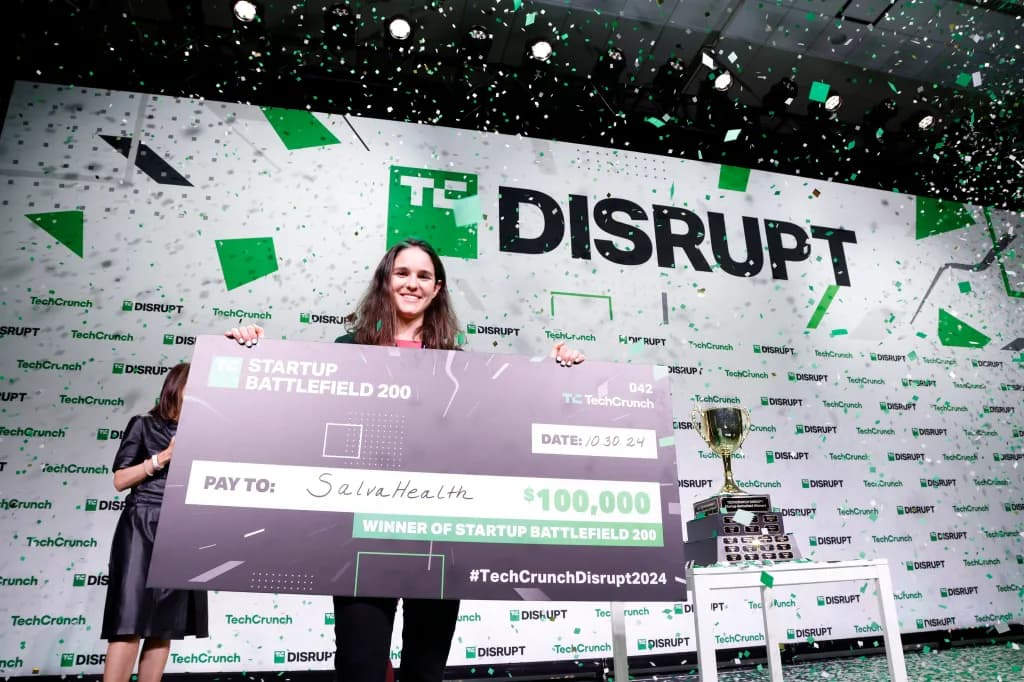
TechCrunch is accepting nominations for Startup Battlefield 200, a pre‑Series A pitch program at Disrupt 2026 that will select 200 early‑stage startups to compete on the main stage for $100,000 in equity‑free funding. Nominations close June 8; organizers say earlier submissions give a strategic edge as the applicant pool scales. For pre‑seed and seed founders with an MVP, this is a concentrated opportunity for investor feedback, high‑profile exposure, and pragmatic runway support.
Key takeaways
- $100,000 equity‑free prize; 200 startups will be accepted into the program.
- Perks for selected startups include a 3‑day exhibit table, 4 Disrupt passes, press access, founder masterclasses, and a live pitch slot with VC feedback.
- Eligibility: bootstrapped, pre‑seed, seed, or select Series A in capital‑intensive sectors; an MVP is required.
- Nominations close June 8; early applications are encouraged because last year saw thousands of applicants and organizers expect more competition in 2026.
- Alumni success signals impact: Battlefield has incubated ~1,700+ companies, ~250 exits and ~$32B in funding (historical figures to Jan 2025), including Dropbox, Trello, Discord and Fitbit.
Breaking down the announcement
At a functional level the change is procedural: TechCrunch reopened nominations for the Startup Battlefield 200 cohort tied to Disrupt 2026 (San Francisco, Oct 13-15). For operators the actionable elements are concrete-$100,000 in non‑dilutive capital, significant press and investor exposure on Disrupt’s main stage, and practical benefits for all 200 selected companies like exhibit space, app branding, and curated VC feedback.
Why this matters now
Two market signals elevate the opportunity: competition for investor attention is intensifying, and high‑visibility stages are increasingly determinative for early rounds. Winning-or simply pitching—on Disrupt compresses months of introductions into hours. With nominations closing June 8 and organizers recommending early submissions to gain a review advantage, the immediate business question is timing: founders who delay risk being squeezed out by volume and the optics of “first reviewers.”

Eligibility, process and concrete numbers
Who should apply: founders with an MVP who are bootstrapped, pre‑seed, or seed stage. TechCrunch allows some Series A entrants in capital‑intensive sectors. What you get if selected: a 3‑day exhibit table, 4 passes, event app branding, media access, founder masterclasses, a live Disrupt Stage pitch, investor feedback, and the chance at $100K equity‑free funding. Timeline highlights: nominations open now, deadline June 8; Disrupt occurs Oct 13-15 in San Francisco.

How this compares to alternatives
Compared with accelerator demo days (YC, Techstars) or investor‑hosted pitch events, TechCrunch’s Battlefield trades depth for concentrated exposure. Accelerators typically provide structured programming, follow‑on network benefits and sometimes seed capital in exchange for equity; Battlefield offers equity‑free cash plus media reach but limited multi‑month programmatic support. For founders prioritizing press, immediate investor introductions, and a flagship stage rather than long‑term mentorship, Battlefield is a strong fit.
Risks, caveats and governance considerations
Opportunity costs matter: preparing a stage‑ready demo and travel can divert engineering and sales resources. Public pitching exposes product details—founders should vet IP, avoid revealing trade secrets, and be clear on what’s fair to show publicly. Investor feedback provided at the event is non‑binding; founders should treat it as directional, not prescriptive. Lastly, competition optics are double‑edged: rejection is public and may influence perception if not managed strategically.

Recommendations — who should act and how
- Submit a nomination immediately if you have an MVP, need pre‑Series A traction, and can commit to Disrupt logistics; earlier submissions are reportedly advantageous.
- Prepare a 90‑second demoable narrative and 10‑slide deck focused on traction metrics, unit economics, and clear competitive differentiation—investors judge run rate, growth velocity and defensibility.
- Protect IP: sanitize demos of proprietary algorithms or pipeline details; use NDAs with advisors when necessary.
- Plan for travel and PR: budget for two founders to attend, schedule investor follow‑ups post‑event, and draft a press kit to amplify any stage exposure.
What to watch next
Track nomination volume up to June 8 for signs of rising competitiveness and watch early testimonials from selected 2026 startups. Monitor whether TechCrunch publishes selection criteria updates or additional perks for finalists. For founders, the practical next step is to nominate early and refine a stage‑ready narrative—this is a high‑variance, high‑visibility pathway to accelerate fundraising and strategic introductions.