Thesis: Pokémon Winds and Waves anchor Switch 2’s early strategy but vague release timing and lack of confirmed studio support shift the true risk from hardware to delivery expectations.
Reveal Breakdown
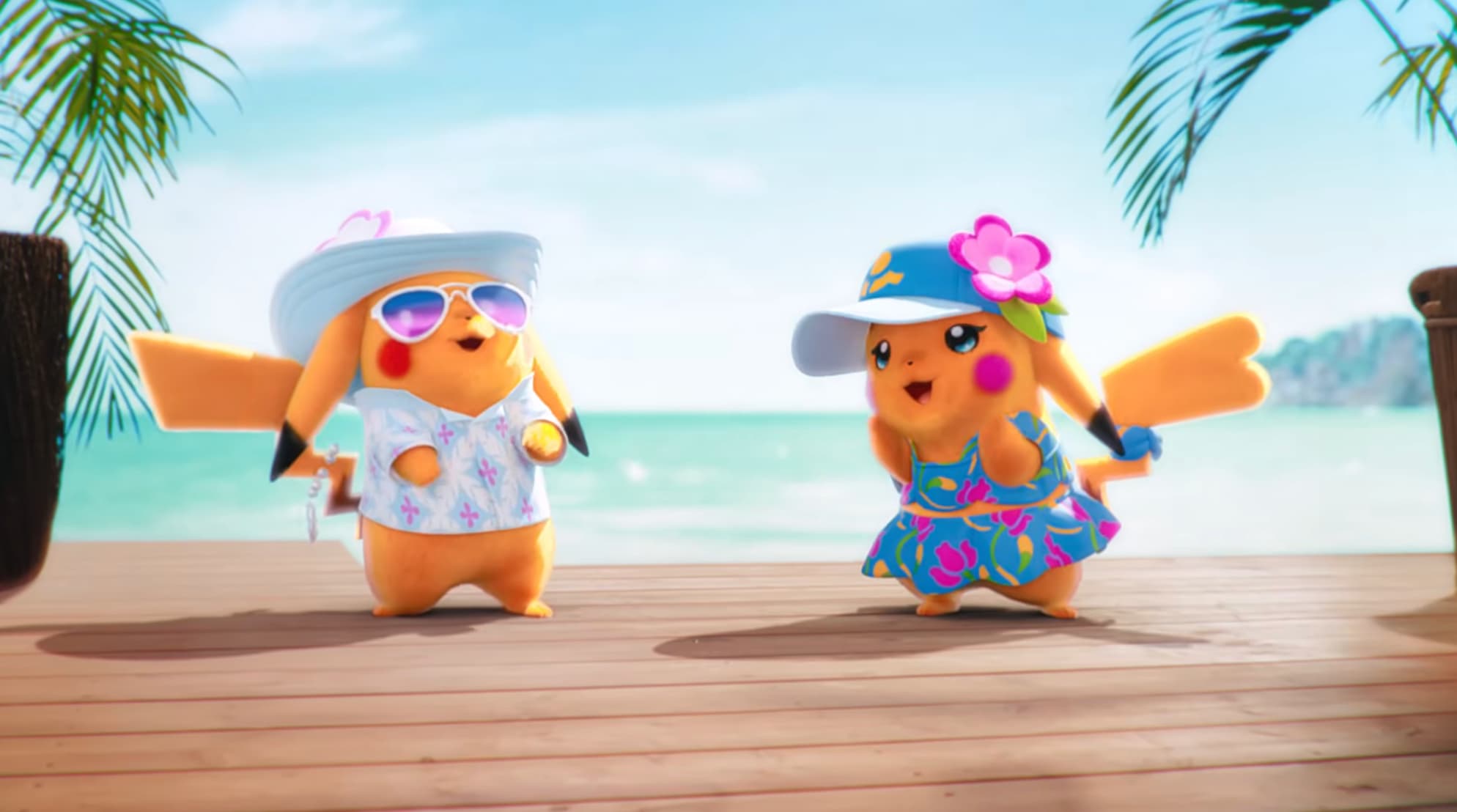
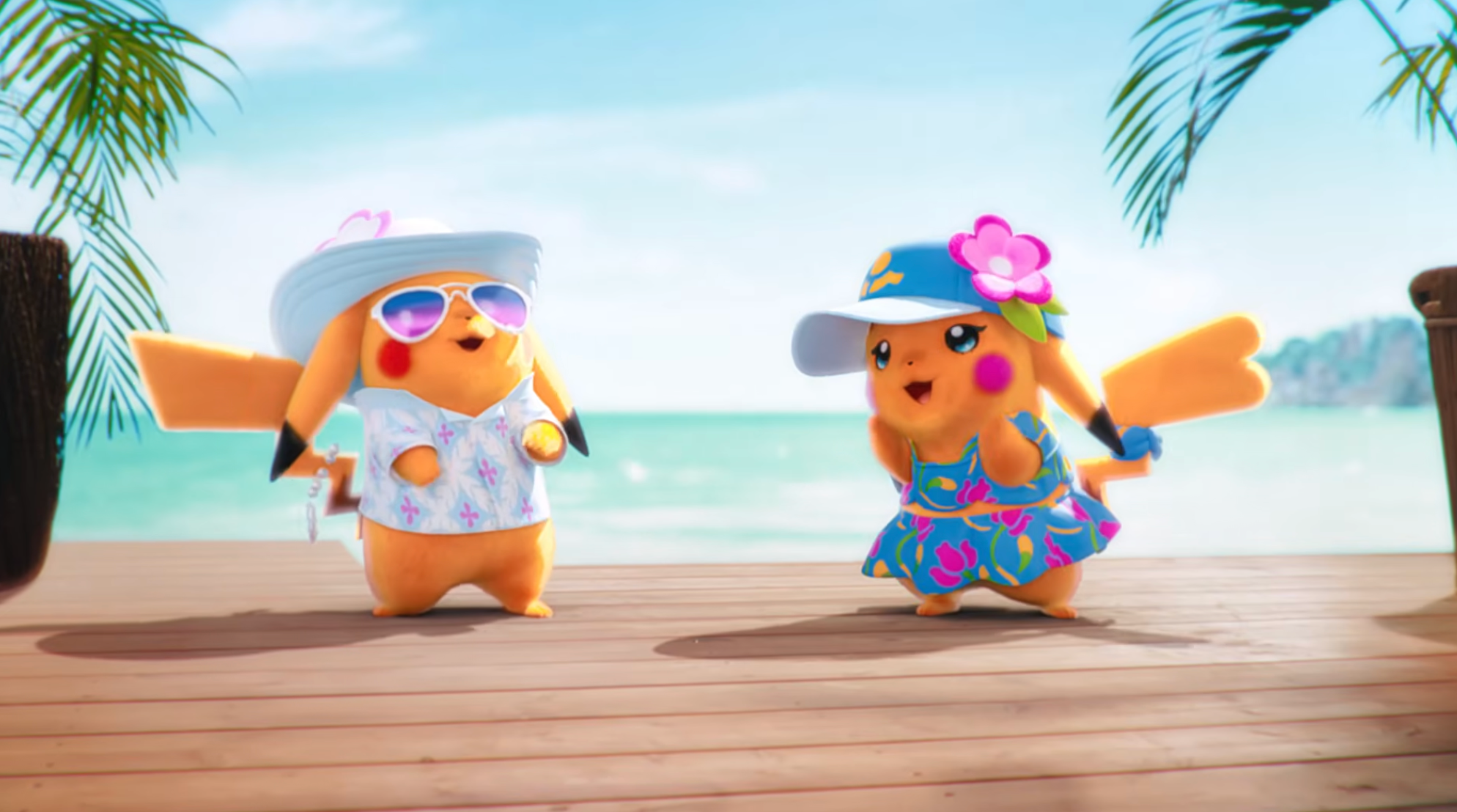
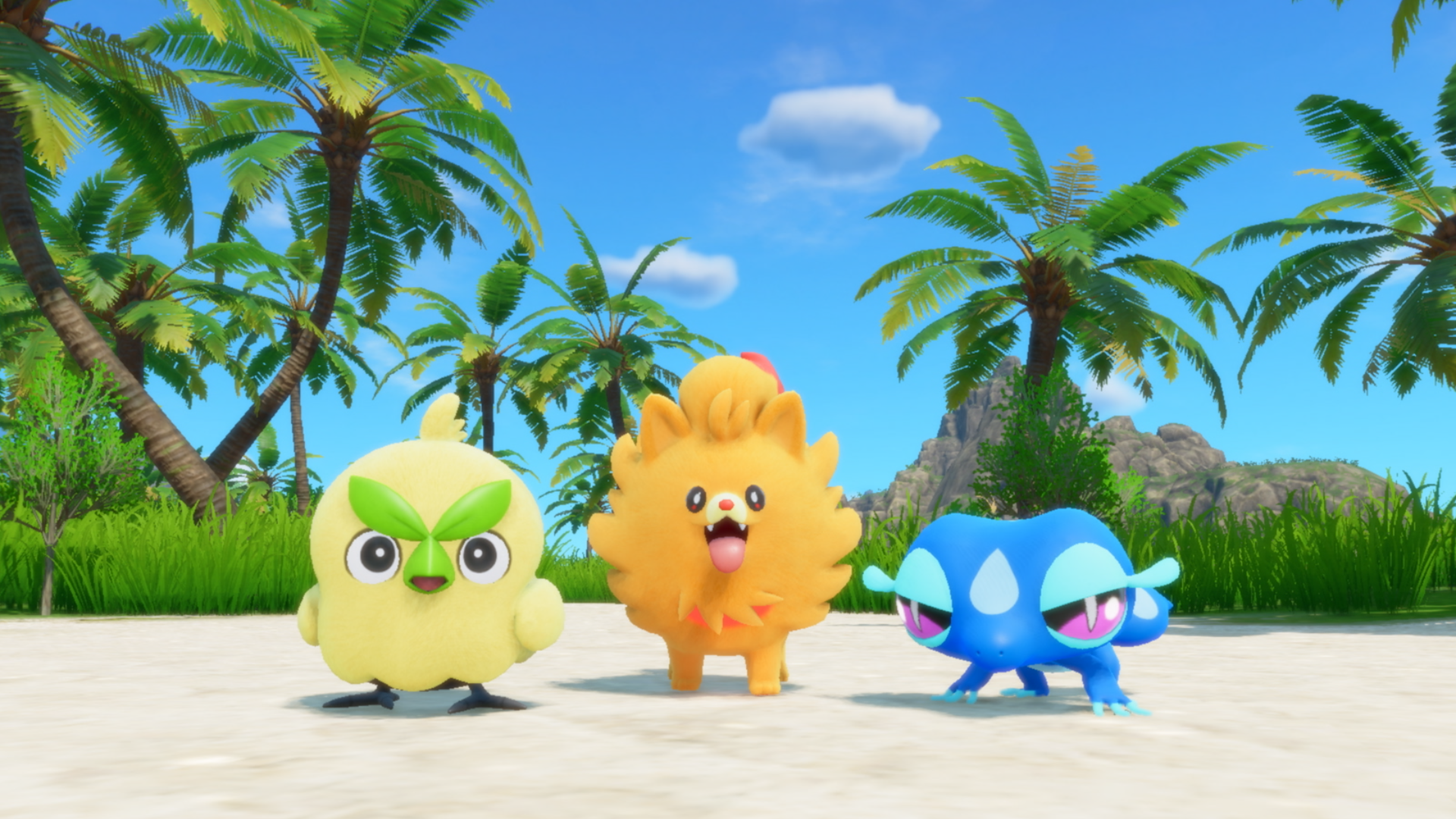
During the Pokémon Day livestream on February 27, 2026, Nintendo and The Pokémon Company unveiled Pokémon Winds and Pokémon Waves for Switch 2, targeting a 2027 release. A 3-minute-32-second trailer showcases an open-world archipelago with jungle biomes, windswept islands and the franchise’s first teased underwater exploration. Three new starters—Grass-type Browt, Fire-type Pombon and Water-type Gecqua—appear alongside a special Pikachu variant and version-exclusive outfits. Game Freak is listed as the lead developer; no other studios are officially credited.
This breakdown underscores the thesis that technical ambition is offset by lingering questions about timing and development depth.
Strategic Significance
Pokémon has historically driven hardware adoption and defined Nintendo’s identity as an innovator in accessible, community-centered gaming. Positioning two simultaneous mainline titles at Switch 2’s dawn signals Nintendo’s intent to anchor early consumer demand with its most powerful IP. The prospect of underwater exploration elevates expectations for next-gen polish, but ambiguity around launch timing reframes the narrative: fans and partners now grapple with excitement tempered by caution.
Viewed through our guiding insight, the franchise’s power to shape Switch 2’s narrative is clear, yet execution uncertainty puts Nintendo’s reputation and stakeholder confidence on the line.
Operational Uncertainties
The 2027 window remains undated, leaving quarters and quarter-end performances subject to change. Scarlet/Violet’s launch-day technical issues have already elevated community scrutiny for Game Freak’s processes. With no confirmed support from additional studios, the risk of development bottlenecks intensifies. Rumors of Monolith Soft assistance persist online, but without official sourcing, they remain unverified and are omitted here.
These unknowns reinforce the thesis: the power of Pokémon to drive hardware must now be balanced against the franchise’s delivery track record.
Stakeholder Implications
- Implication for Nintendo: Reliance on a single developer to deliver dual flagship titles will test internal resource planning and could influence the console’s launch narrative more than any hardware spec sheet.
- Implication for retailers: Pokémon Winds and Waves are likely to become cornerstone SKUs, turning inventory and bundling discussions into high-stakes negotiations tied to an unspecified release schedule.
- Implication for investors: Switch 2 sales forecasts now hinge on whether Pokémon launches punctually; any slide in deadlines could ripple through quarterly projections and market confidence.
- Implication for fans and communities: Elevated polish expectations driven by next-gen promises introduce emotional stakes around franchise reputation, deepening fan scrutiny of development updates.
Each of these implications circles back to the central insight: Nintendo’s leverage of Pokémon as a system seller is only as strong as its ability to deliver on the timeline and quality fans expect.
What to Watch Next
- Official announcement of a specific release date and pricing timeline, which will either confirm or challenge expectations set by the 2027 window.
- Developer updates—via Nintendo Directs or GDC sessions—that detail engine work, scope and any external studio partnerships.
- Pre-order launches and bundle configurations, which will signal Nintendo’s confidence in meeting projected demand.
- Community feedback on early gameplay reveals, especially around underwater mechanics and performance benchmarks, as an early indicator of polish and polish challenges.
These milestones will determine whether Pokémon Winds and Waves fulfill their role as Switch 2’s cornerstone titles or become symbols of overambition meeting logistical friction.