Executive summary – what changed and why it matters
This acquisition underscores the consolidation of AI-powered nutrition tracking under major incumbents and brings biometric data regulation and model bias to the forefront of industry risk.
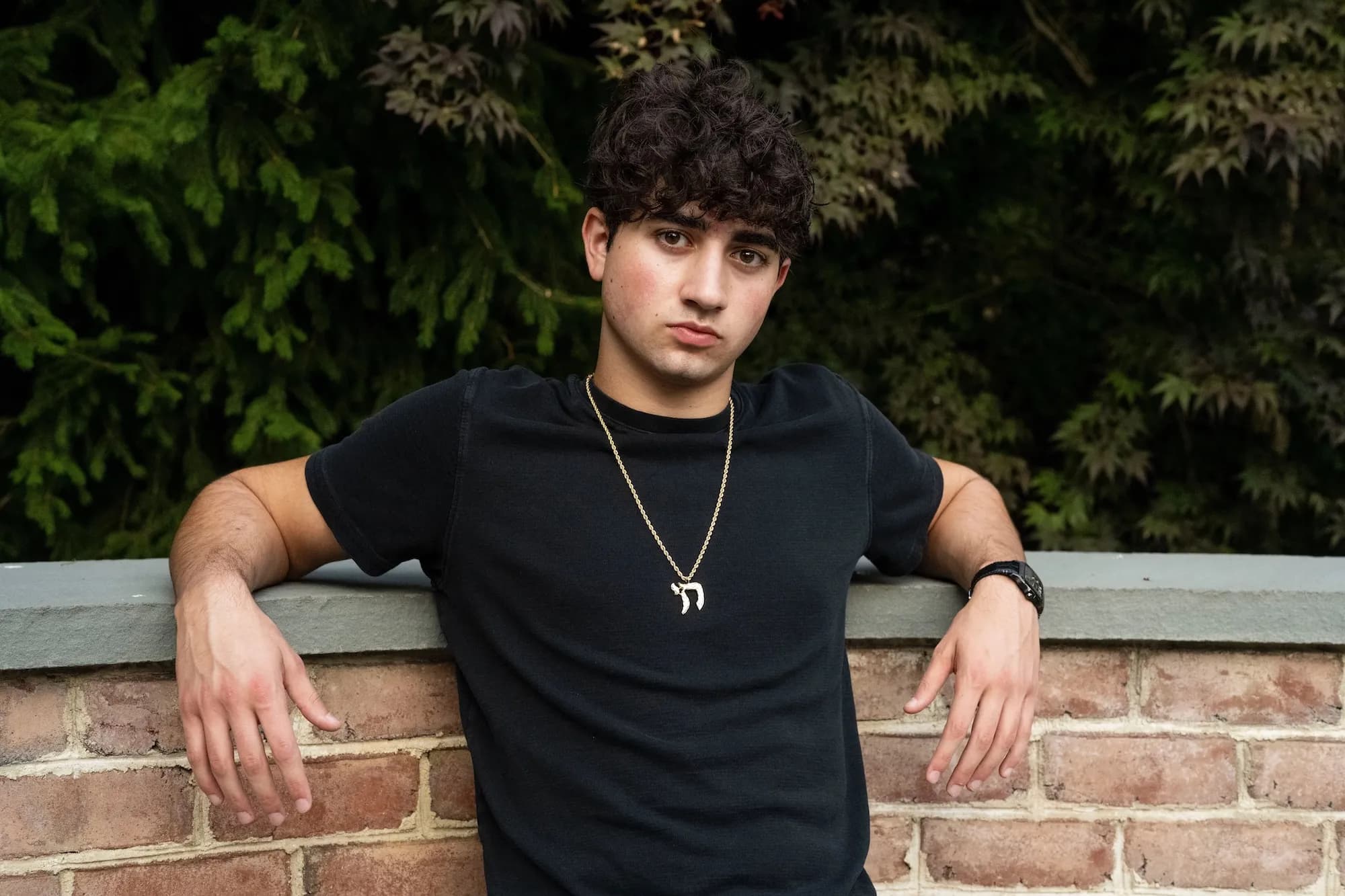
MyFitnessPal announced on March 2, 2026 via GlobeNewswire that it has acquired Cal AI, a high-growth, photo-based calorie-tracking app founded by teenagers. Per GlobeNewswire, Cal AI generated over $40M in the last 12 months, though TechCrunch estimates around $30M; both outlets—and Sensor Tower data—cite more than 15M downloads in under two years. GlobeNewswire and multiple reports confirm the deal closed in December 2025 after nearly a year of talks, and that co-founders Zach Yadegari (19) and Henry Langmack, along with a seven-person core team, were retained.
Deal particulars and source discrepancies
GlobeNewswire’s press release states that Cal AI will operate as a standalone app with further investment in development and marketing. TechCrunch notes “around $30M” in annual revenue, while GlobeNewswire and Athletechnews put the figure north of $40M; downloads consistently exceed 15M since launch. Both outlets agree the acquisition process lasted roughly one year, concluding in December 2025.

Product capabilities and integration trade-offs
Cal AI offers AI photo food recognition, body-composition estimation from front-and-side photos, and personalized dietary recommendations tailored for performance-oriented users. For MyFitnessPal this accelerates low-friction logging and may boost engagement—conditional on the accuracy of visual models and a smooth user experience.
Integration requires aligning Cal AI’s machine-learning outputs with MyFitnessPal’s 20M+ food database and validating model performance across demographics to avoid systemic errors in food recognition and body-fat estimation.
Biometric data governance and privacy considerations
Handling sensitive body-photo data elevates regulatory scrutiny under frameworks like BIPA in the U.S. or GDPR in Europe, and may expose MyFitnessPal to HIPAA-like constraints depending on how predictions are positioned. No independent audits or accuracy benchmarks were disclosed at closing.

Visual body-composition models risk bias across skin tones, body types, and attire. Retaining Cal AI’s teenage founders preserves product continuity but does not mitigate legal exposures related to biometric or health data governance.
Market consolidation and strategic battlegrounds
This marks MyFitnessPal’s third major AI or personalization acquisition in 13 months—following the Intent purchase in February 2025 and ChatGPT Health integration in January 2026—and echoes a broader trend as Strava snapped up AI running and cycling apps in mid-2025. The deal deepens an M&A arms race for AI nutrition features among wellness incumbents.
Implications and risks to monitor
- Escalating regulatory oversight of biometric data may impose compliance costs or legal liabilities if consent flows and storage practices fall short.
- Model bias in visual estimates may lead to customer dissatisfaction or reputational harm if accuracy gaps emerge across user segments.
- Deferred independent accuracy assessments risk product rollouts that underdeliver on engagement or retention metrics.
- Cultural friction between a teen-led startup and an established brand may impact innovation velocity or team cohesion over time.
- Further consolidation could pressure smaller AI health innovators, reducing diversity of approaches in the sector.