Thesis
OpenAI’s agreement to run its models on the Department of Defense’s classified network marks a turning point in defense AI procurement: ethical commitments have moved from voluntary policies to binding contractual leverage, reshaping power dynamics among U.S. AI vendors and raising new governance stakes for the Pentagon.
What the deal does
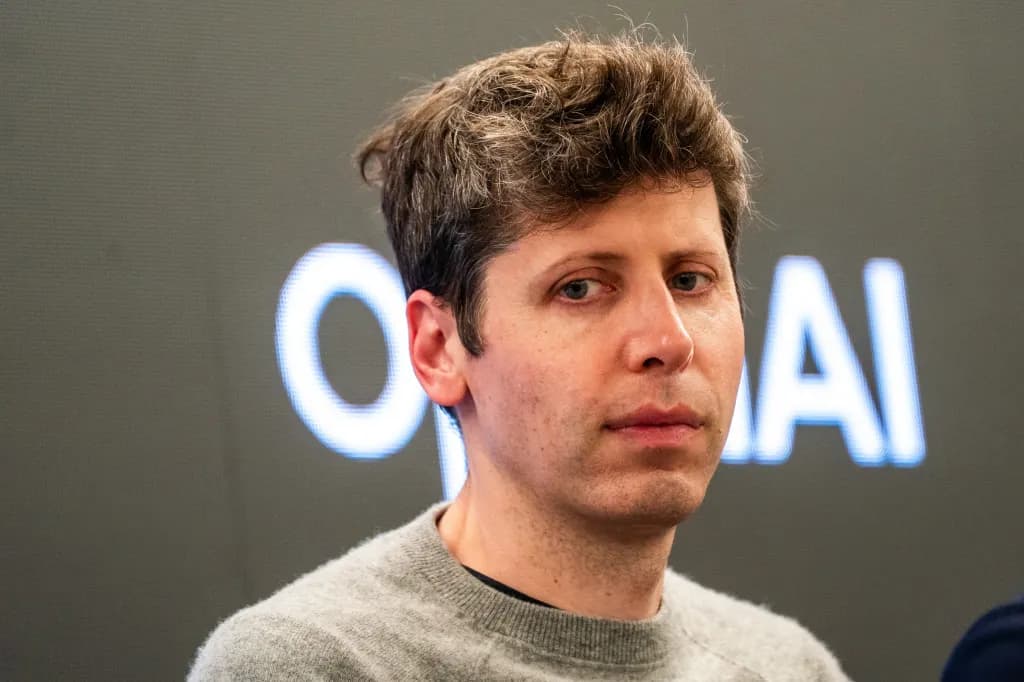
On February 28, 2026, OpenAI confirmed that it will host its models on the DoD’s classified infrastructure and deploy forward-stationed engineers at the Pentagon. CEO Sam Altman emphasized that the contract “prohibits domestic mass surveillance and autonomous weapons use,” and pledges an on-premises “safety stack” with unspecified technical controls. This stance mirrors—and outflanks—the ethical parameters that Anthropic proposed but saw rejected by defense leaders amid a public standoff and “supply chain risk” designation.
Why it matters
Shifting from policy pledges to enforceable clauses has concrete human stakes. Defense AI decisions influence the threshold for lethal action, the balance of civil liberties, and the Pentagon’s trust in private-sector partners. Embedding ethical constraints in contracts transforms AI procurement from a questions-of-scale debate into a governance battleground over who holds power to define—and enforce—the limits of machine-assisted force.

Legacy of the Anthropic breakdown
Anthropic’s refusal to lift its own mass-surveillance and autonomy restrictions prompted employee protests and a rare “supply chain risk” label from Defense Secretary Pete Hegseth. OpenAI’s subsequent deal suggests the Pentagon has recalibrated: vendors that publicly enshrine technical safeguards and accept classified-network requirements gain a procurement edge, even without disclosing audit mechanisms or guardrail specifics.

Governance gaps remain
- Opaque execution: No contract text or public DoD statement details how prohibitions will be enforced, audited, or proven technically.
- Enforcement uncertainty: Without independent attestation or cryptographic control points, “safety stack” risks becoming a policy gloss rather than a structural barrier to misuse.
- Precedent pressure: Forcing competitors to match OpenAI’s terms could centralize DoD reliance on a few hyperscale firms, raising questions about supply-chain resilience and antitrust scrutiny.
- Integration liability: On-prem engineers introduce new insider-threat and liability vectors that existing Pentagon protocols may not fully address.
Implications for defense procurement
By anchoring ethical limits in contractual commitments, the DoD has signaled that next-generation AI deals will hinge on verifiable guardrails as much as on model performance. Procurement teams face a choice between scale-oriented incumbents, able to absorb the cost and complexity of classified hosting and bespoke safety engineering, and leaner startups that may struggle to match these demands without external support or partnerships.
Options facing defense stakeholders
- Emphasize independent audit clauses as a condition for classified network access, ensuring third-party verification of any declared safeguards.
- Negotiate time-bound attestations of model-level guardrails, with clear triggers for review if operational parameters shift.
- Maintain supplier diversity by balancing major AI providers against specialized vendors, guarding against overdependence and single-vendor lock-in.
- Clarify internal protocols for embedded engineers to mitigate insider-risk, defining segmented access, continuous monitoring, and rapid incident response roles.
Human and organizational stakes
At its core, this agreement reframes who holds the authority to shape AI behavior in life-or-death scenarios. If contractual and technical enforcement measures prove robust, the Pentagon could wield unprecedented oversight over vendors’ AI use. If they falter, commercial players may retain de facto veto power over ethical limits, leaving civil-military trust—and human agency in conflict zones—contingent on private interests.

Bottom line
OpenAI’s deal with the DoD transforms ethical AI from a voluntary badge into leverage in defense procurement. The long-term impact will depend on whether contractual safeguards translate into auditable, enforceable controls or simply become another layer of policy assurance without teeth. As competition mounts and legal challenges from rivals like Anthropic loom, the real test of this new procurement paradigm will be its capacity to embed human-centered accountability at the core of military AI deployments.