Netflix’s InterPositive Purchase Verticalizes Production AI and Shifts Control — and Accountability — Over Post‑Production
Thesis: By buying InterPositive and folding its team into Netflix, the streamer has moved from buying AI tools to owning a production‑integrated AI capability — a structural shift that reallocates power over creative decisions, labor practices, and disclosure obligations from vendors and marketplaces to a single, vertically integrated studio.
What changed — and why it matters immediately
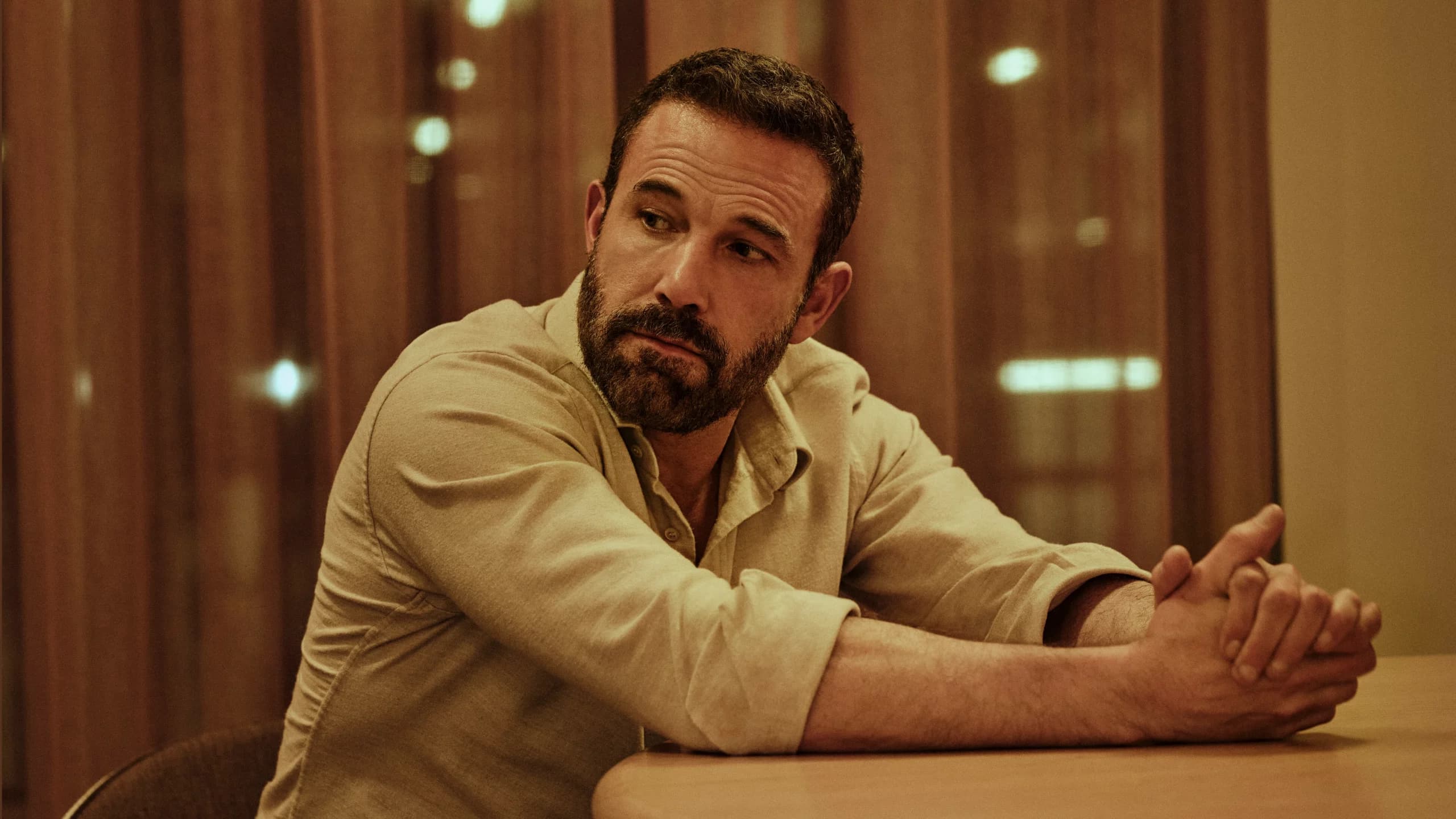
On March 5, 2026 Netflix announced it had acquired InterPositive, the AI filmmaking studio Ben Affleck founded in 2022, and that Affleck would join Netflix as a Senior Advisor. Public descriptions of InterPositive position its models as focused on production problems — filling missing shots, replacing backgrounds, and adjusting lighting — with an explicit line drawn against synthesizing actor performances. The deal, which disclosed no price or technical roadmaps, signals a move to embed production‑oriented AI inside a single company’s editorial and operational stack rather than continuing to rely primarily on a dispersed vendor ecosystem.
Capabilities, constraints, and what remains unsaid
- Publicly described capabilities: targeted tools for continuity fixes, background and lighting correction, and other on‑set or post‑production visual logic tasks intended to reduce manual VFX labor.
- Stated constraints: InterPositive and Netflix have emphasized a policy against creating synthetic actors, signaling an editorial boundary intended to protect performance authenticity.
- Gaps in disclosure: there are no public benchmarks for accuracy, latency, or cost; no integration timeline; and no detailed provenance about training data or licensing disclosed in the announcement.
Why verticalization matters for power and practice
Owning a specialized AI tooling team changes incentives. License markets and vendors create a diffusion of responsibility: many studios could point to third‑party providers when disputes, errors, or ethical questions arise. By internalizing tooling, Netflix centralizes decision‑making about when and how automation touches creative work. That centralization can accelerate alignment between editorial policy and tool behavior, but it also concentrates accountability — for creative outcomes, for labor effects, and for the provenance of training data — inside the company that deploys those tools.

For a high‑volume streamer, small per‑title changes in post‑production cost or turnaround may have outsized programmatic effects. For example, a hypothetical 2–5% reduction in post‑production spending per title (illustrative, not claimed as measured) would accumulate across a slate of dozens of originals, changing budgetary headwinds and scheduling choices. Whether savings materialize and at what scale will depend on integration effort, editorial constraints, and tool maturity — all variables not yet disclosed.
Human stakes: labor, authorship, and trust
The acquisition reframes questions about work and credit. As automation takes on routine or repeatable VFX tasks, unions and guilds are likely to press for clarified job scopes, crediting practices, and compensation models. Those discussions are about dignity and livelihood as much as cost curves: automation shifts bargaining power and shapes who gets recognized for creative labor. The stated ban on synthetic actors addresses a core ethical and identity concern — preserving the integrity of performance — but it does not erase downstream risks of misuse, re‑purposing, or derivative content that can affect actors’ images and reputations.
Disclosure, provenance, and legal pressure
The deal heightens regulatory and legal attention on how production AI models are trained and what content was ingested. Public silence on training data provenance creates a gap that will likely be filled by external pressure: legal teams, rights holders, and regulators are expected to demand clearer model cards, provenance logs, and licensing disclosures. Those demands are not merely bureaucratic; they frame who retains control over narrative and who can attribute or contest derivative work.
Competitive context and market effects
Studios and tool vendors have pursued AI workflows for years, either through third‑party startups or in‑house R&D. Netflix’s approach is notable because it acquires both people and IP to place production AI inside its own pipeline, rather than buying licenses from external vendors. That verticalization may accelerate internal deployment at Netflix but will likely raise barriers for smaller producers who depend on an open vendor marketplace for innovation and flexibility. Over time, a handful of vertically integrated players could reshape bargaining dynamics in the tooling ecosystem.
Likely industry responses and scenarios
- Operational testing: Content teams may run constrained pilots that measure quality and workflow impacts before committing the tools across wide swaths of production — a cautious adoption pattern that would mirror past studio transitions to new tech.
- Legal and procurement scrutiny: Legal teams will likely press for provenance documentation, model cards, and clarifications on indemnity and licensing in any procurement or partnership conversations tied to production AI.
- Labor negotiations: Unions and guilds are expected to open discussions or renegotiate contract language to address automation’s effect on job scopes, credits, and compensation frameworks.
- Transparency pressure: Regulators, rights holders, and advocacy groups may seek greater disclosure about training datasets and model limitations, particularly where outputs are used in final distribution.
What remains decisive
The strategic effect of the InterPositive acquisition will hinge less on the headline that a studio bought an AI team and more on three operational questions Netflix has not yet answered publicly: how the models will integrate with editorial processes; what data was used to train the systems; and how provenance and auditability will be enforced across distributed production pipelines. Those answers will determine whether verticalization produces tighter creative alignment or merely concentrates new risks under a single roof.
In short, the acquisition reframes who holds control — and who bears responsibility — for the creeping automation of post‑production. That redistribution of agency will shape creative authorship, labor relations, and the transparency expectations placed on streaming platforms going forward.