Simulcasting the Canadian Grand Prix Reveals the Frictions of Hybrid Exclusivity
Thesis: The Apple–Netflix co-broadcast of the 2026 Formula 1 Canadian Grand Prix functions as an operational blueprint for hybrid exclusivity, surfacing deep measurement, scheduling, contractual, and brand-integration frictions that challenge traditional live-rights economics.
Breaking down the co-broadcast experiment
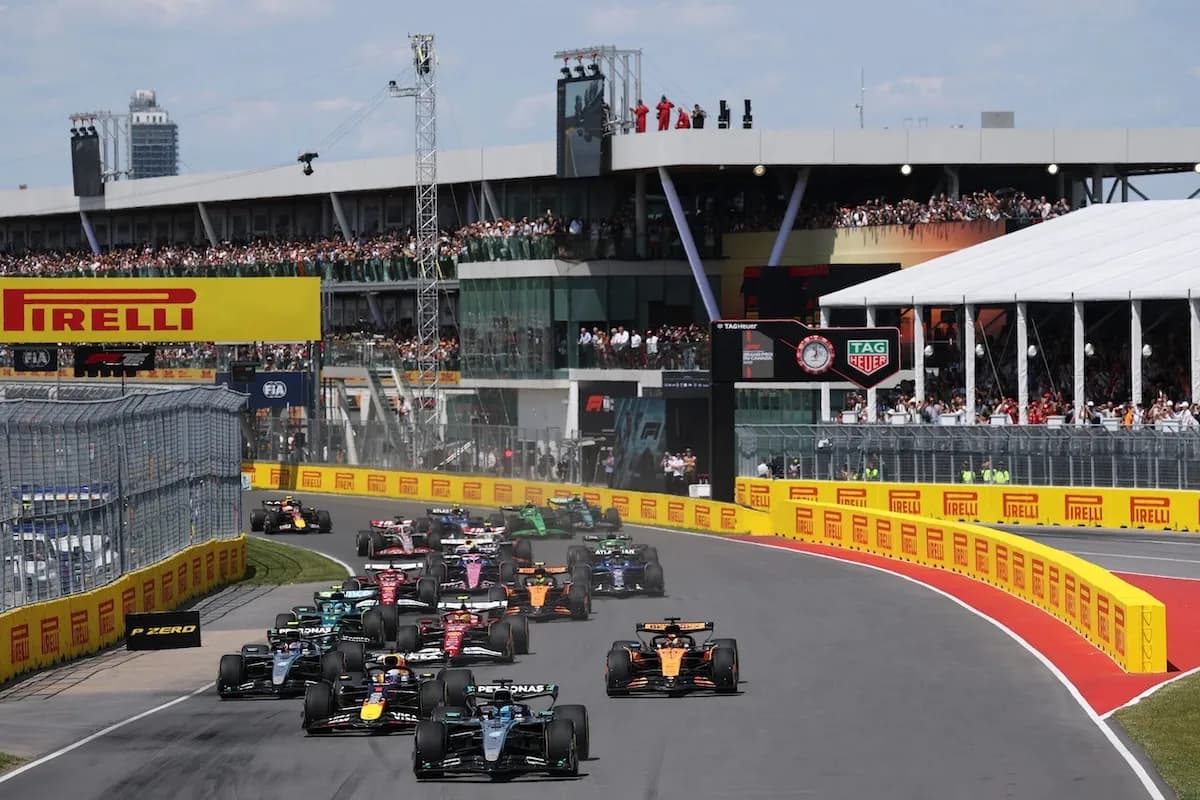
On February 27, 2026, Apple SVP Eddy Cue announced that under Apple’s new multi-year U.S. Formula 1 rights deal (reported at roughly $150 million per season starting in 2026), all 24 races would stream exclusively on Apple TV at no extra cost. For the May 22–24 Canadian Grand Prix, however, Apple will permit a simultaneous U.S. stream on Netflix—marking the first major simulcast of a premium live sporting event across rival platforms. Netflix confirmed via its TUDUM site that Drive to Survive Season 8 (covering the 2025 F1 season) also launched Feb. 27 with Apple TV available only in the U.S., blurring lines between content exclusivity and distribution partnerships.

Why it matters now: market and strategic drivers
Streaming platforms are maturing into aggressive live-rights bidders, yet single-platform exclusivity can cap reach and subscriber ROI. Apple’s heavy investment in F1 rights aligns with broader cross-promotion across its ecosystem—News, Maps, Music, Fitness+, and retail stores—while Netflix, after experimenting with NFL Christmas, WWE Raw, and MLB games, seeks to differentiate product offerings through live events. Partnering allows Apple to preserve broad rights while tapping into Netflix’s promotional scale and F1 audience built by Drive to Survive. This collaboration arrives as both firms navigate saturation in scripted and library content, seeking marquee live experiences to boost engagement.
Competitive context
Compared with ESPN’s linear model (which averaged roughly 1.3 million viewers in its final U.S. season), the Apple–Netflix arrangement trades scale for data and targeting. Apple gains platform metrics and audience insights, while Netflix leverages promotional horsepower without the full cost of exclusive rights. This contrasts with Amazon and Peacock, where exclusivity serves as a subscription driver. The Canadian GP simulcast thus tests a hybrid model—primary exclusives supplemented by negotiated simulcasts for marquee events—a structure that could reshape future rights auctions and distribution strategies.
Operational frictions exposed
- Scheduling conflicts: The Canadian GP overlaps the Indianapolis 500 on May 24, and rain delays or overruns could force platforms to prioritize one event over another, undermining secondary-rights markets and linear partners.
- Measurement gaps: No public cross-platform measurement standard was announced, leaving advertisers to demand third-party audits or reject blended buys without unified metrics, stalling full monetization of simulcast inventory.
- Contractual precedent: Granting a sublicensing window for one marquee race may invite other rights holders to insist on similar clauses, altering pricing dynamics and bargaining leverage in future multi-platform deals.
- Brand integration risks: Technical glitches, divergent feature sets (latency, alternate commentary), or inconsistent user experiences across Apple TV and Netflix could dilute brand equity for both platforms and frustrate viewers.
Implications for stakeholders
Rights holders face pressure to balance exclusive premiums with reach-maximizing sublicenses, potentially fragmenting future auctions but broadening audience access. Platforms must negotiate unified viewership metrics, technical-parity agreements, and contingency protocols for overlapping events to preserve ad-inventory value. Advertisers and agencies confront uncertainty over cross-platform guarantees, pushing them toward risk-averse budgeting or demanding new contractual safeguards. Regulators and industry bodies may need to revisit standards for live-event carriage and measurement to prevent market distortions as hybrid simulcasts gain traction.
Risks and unanswered questions
- Viewer fragmentation: Will fans split between apps or experience confusing discovery flows when switching platforms mid-event?
- Commercial workflows: How will sponsorship activation, ad insertion, and verification operate across two distinct streaming infrastructures?
- Future scalability: Can simulcast windows be scaled beyond one race without eroding exclusivity value or sparking rightsholder backlash?
- Regulatory oversight: Might antitrust or broadcast-rights regulations intervene if hybrid models threaten traditional distribution economics?
Conclusion
The Apple–Netflix simulcast of the 2026 Canadian Grand Prix doesn’t dethrone exclusivity but lays bare the operational, contractual, and measurement frictions inherent in hybrid distribution. As live-rights economics evolve, stakeholders must reconcile these tensions to determine whether multi-platform simulcasts become a recurring strategy or remain a one-off experiment in streaming innovation.