Executive summary
Apple’s shift from a single global keynote to a staggered, three-day hybrid rollout recalibrates its narrative power toward controlled, hands-on experiences. Reporting from Bloomberg’s Mark Gurman and commentary from Daring Fireball’s John Gruber indicate that Apple will likely begin online announcements on March 2 and culminate with in-person “special Apple Experience” events on March 4 in New York, London and Shanghai. This restructuring matters because it extends Apple’s ability to shape media coverage over multiple cycles, concentrates tactile product impressions among select audiences, and reshapes partner and buyer expectations for spring releases.
- Substantive change: a hybrid cadence of online disclosures followed by region-based hands-on events instead of one marquee keynote.
- Scope: at least five products are under industry scrutiny—rumored to include a value MacBook with A18 chip, an iPhone 17e variant, an M4-powered iPad Air, a new entry-level iPad, and updated MacBook Air/Pro models.
- Timing: online materials reportedly roll out beginning March 2, building toward the March 4 “experience” gatherings.
Breaking down the reporting
On January 27, Apple sent invitations for a “special Apple Experience” slated for March 4 at 9:00 am ET, with concurrent events in New York, London and Shanghai. Bloomberg’s Mark Gurman reports that these gatherings will cap a “three-day flurry of announcements” beginning March 2 via online press releases or videos. John Gruber of Daring Fireball characterizes the format as a deliberate pivot from a solitary broadcast keynote toward a stretched, hybrid unveiling that marries digital reveals with in-person demos.
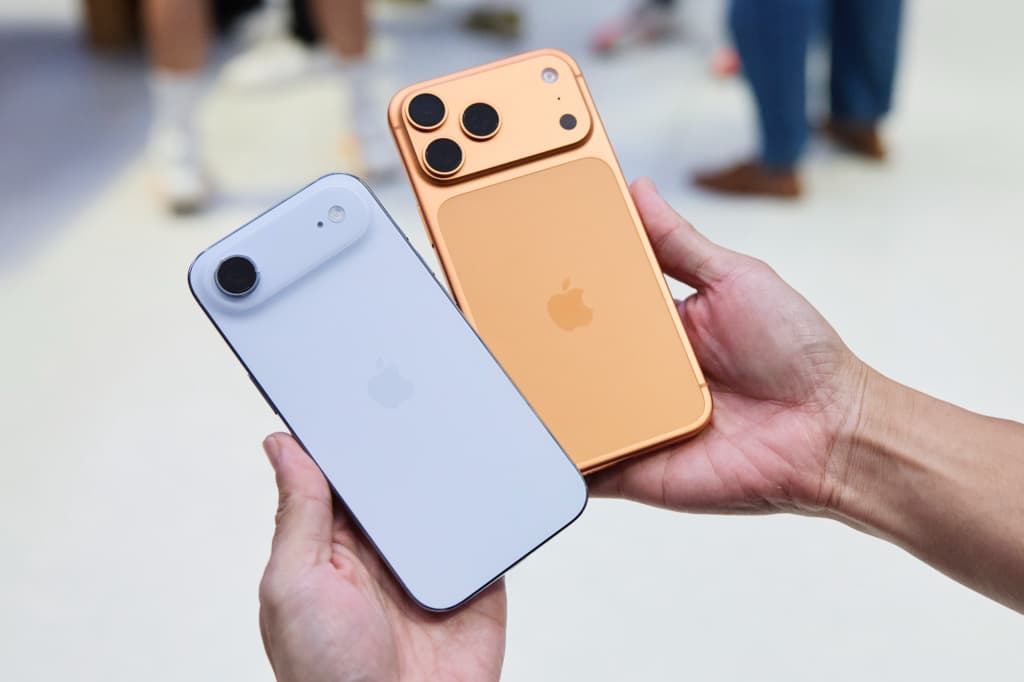
Industry sources remain divided on exact product details. Bloomberg suggests spring releases will span a low-cost MacBook featuring a rumored A18 chip, an iPhone 17e variant, an M4-equipped iPad Air and a fresh entry-level iPad, alongside refreshed MacBook Air/Pro lines. MacRumors adds that there may be early media previews for higher-end laptops or display updates before March 4. At the same time, 9to5Mac flags low retail stock of iPhone 16e, M3 iPad Air and M4 MacBook Air/Pro models as indirect signals of imminent refreshes. With no official Apple confirmation of lineup or format beyond the “experience” label, these product attributions remain provisional.

Connecting evidence to strategic implications
The convergence of invitation language, Bloomberg’s leak-based timeline and Gruber’s analysis suggests Apple is test-driving a model that redistributes the attention arc of its spring launch. Instead of concentrating media and partner focus into a single keynote, the three-day hybrid approach trades the spectacle of mass address for a layered narrative that can be paced, tailored and reinforced with tactile encounters. Observers should see the online disclosures as seeding messaging, and the March 4 events as checkpoints for controlled hand-on interactions with a select press, analysts and partners.
Implications for narrative control and stakeholder power
This staging amplifies the human stakes of how technology narratives are shaped. By parceling announcements across days, Apple can exercise greater editorial command over messaging flow, minimizing the chance that an early leak derails a flagship reveal. The emphasis on in-person experiences in major financial and media capitals—New York, London and Shanghai—elevates the role of tactile assessment in a media environment increasingly saturated with second-hand images and videos. Reviewers and partners invited to these curated sessions gain privileged access, reinforcing Apple’s power to frame product stories on its own terms.

However, this strategy also redistributes influence. Media outlets or analysts unable to attend one of the three cities may find themselves dependent on second-order accounts or virtual surrogates, shifting the balance between those who have—and those who lack—direct engagement. Regional exclusivity risks creating tiered narratives, where the authoritative voice rests with attendees who can test devices firsthand. Over time, this could reshape relationships among press, partners and end users, defining who gets to set the initial tone and who follows.
Operational implications
- Extended coverage window: Companies supporting Apple events should anticipate a multi-day news cycle. Sustained coordination across marketing, PR and logistics teams will be needed to synchronize messaging and responses over several days rather than a single keynote.
- Supply chain complexity: A staggered product roll-out can lead to uneven availability across regions and SKUs. Partners may encounter asynchronous shipment and stocking schedules, heightening the importance of real-time inventory insights.
- Audience engagement risks: Drip-feeding announcements can dilute headline impact and strain social media momentum. Observers should watch for signs of engagement fatigue—such as declining press volume or social impressions after day one.
- Narrative cohesion challenges: Maintaining a unified brand narrative across digital releases and in-person demos demands rigorous cross-team alignment. Disparate descriptions or conflicting details in online and live formats could sow confusion or weaken Apple’s positioning.
- Global equity considerations: Physical access limited to three cities underscores a divide between those who receive firsthand impressions and those relegated to follow-up coverage. The shape of virtual alternatives—or lack thereof—will influence how inclusive the rollout feels to a worldwide audience.
Historical context and industry parallels
Apple’s classic model under Steve Jobs hinged on a single-stage keynote designed for maximal media spectacle and a unifying narrative crescendo. During the pandemic, the company shifted toward fully digital unveilings, which prioritized reach and safety but sacrificed tactile engagement. The proposed three-day hybrid events blend these precedents: digital seeding to reach broad audiences, followed by selective, localized demo sessions that recapture the hands-on ethos of trade shows.

Across the broader tech industry, drip announcements have become a tool for sustaining visibility—mirroring tactics used by smartphone rivals and game publishers. Yet Apple’s tight grip on its ecosystem and retail channels grants it a structural advantage in executing a phased roll-out without fragmenting its distribution network. The company’s ability to coordinate supply, retail availability and press access on a regional basis is a potential differentiator versus competitors who rely on third-party carriers and distributors.
Conclusion
Apple’s likely transition to a three-day hybrid rollout is more than an operational tweak—it represents a shift in how the company wields narrative authority and shapes stakeholder relationships. By balancing digital disclosures with curated hands-on experiences, Apple stands to extend its storytelling arc and tighten control over media impressions. At the same time, the approach introduces new challenges around message cohesion, supply synchronization and equitable access. Whether this model becomes the template for future launches will depend on Apple’s ability to sustain momentum across multiple days and maintain a singular, compelling narrative despite a more fragmented format.